
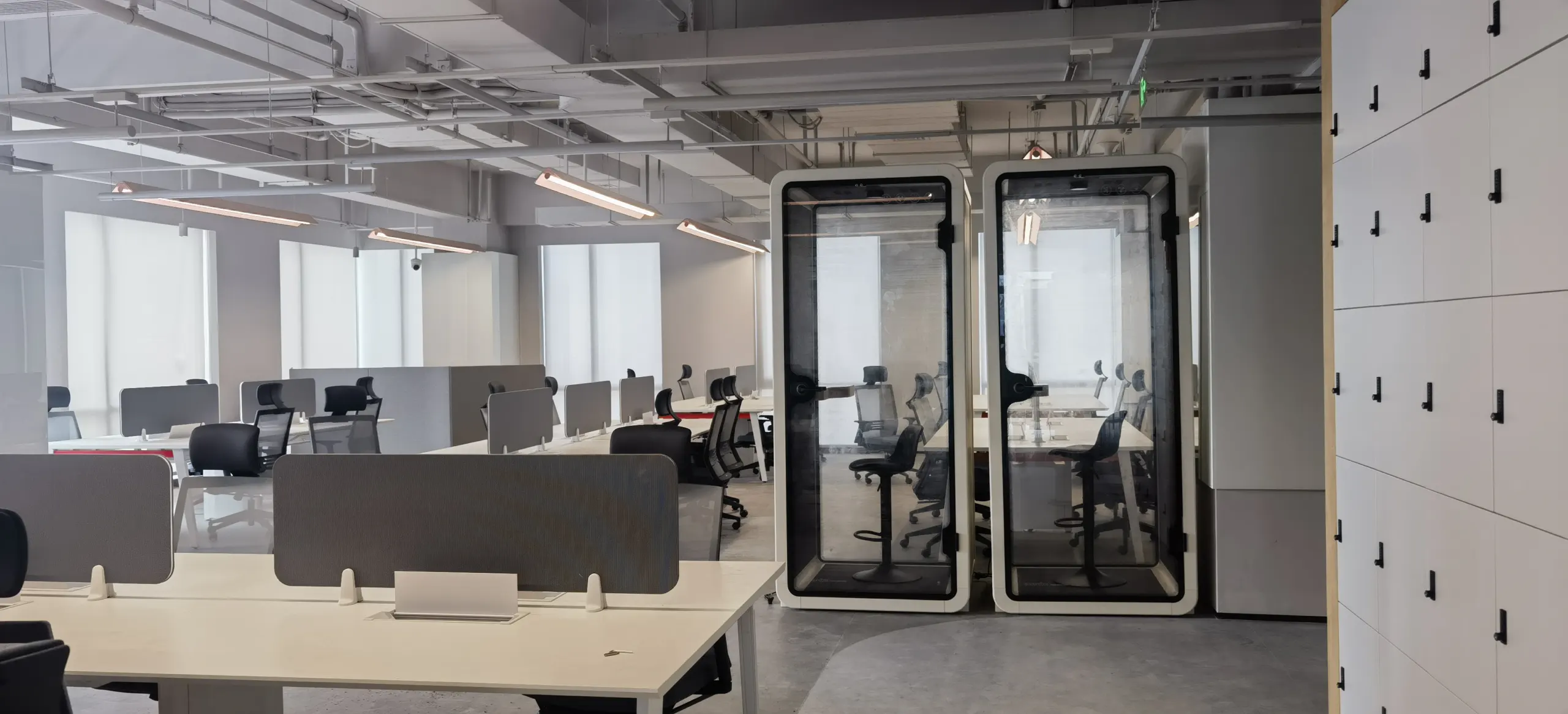
Office noise has several causes. Speech may travel across an open plan, reflected sound may build up in a hard room, equipment may produce a steady hum, or an adjacent space may lack isolation. One product will not solve all four.
1. Record the problem
For recurring complaints, record the date, area, source, affected activity, duration, action owner and follow-up date. Ask whether the complaint concerns loudness, intelligible speech, privacy, reverberation or vibration. Use the record to distinguish one-off behaviour from a recurring building or layout problem.
Potentially hazardous exposure requires a competent occupational-noise assessment. Escalate building-services noise or suspected structural transmission to competent specialists.
2. Reduce the source
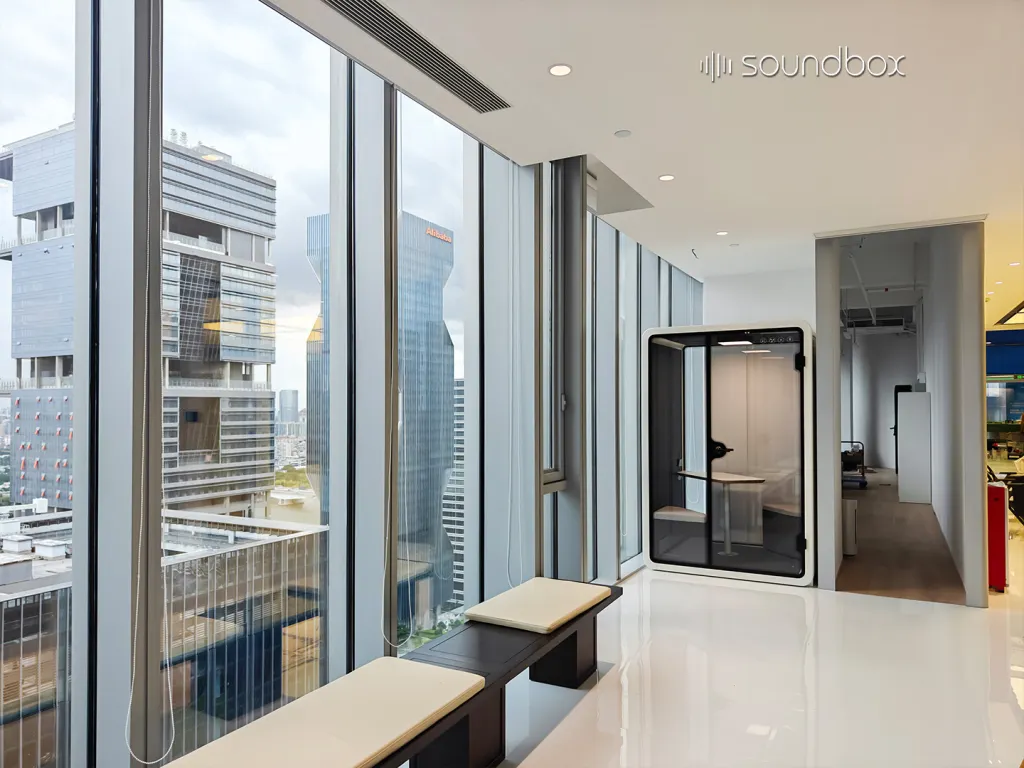
Maintain equipment, move speakerphones and collaboration away from focused work, manage alert volumes where safe and establish workable call etiquette.
3. Change layout and distance
Separate noisy and sensitive activities. Use storage or screens carefully to interrupt direct paths without blocking circulation or building services. Screens have limited effect where sound travels over or around them.
4. Control reflected and transmitted sound
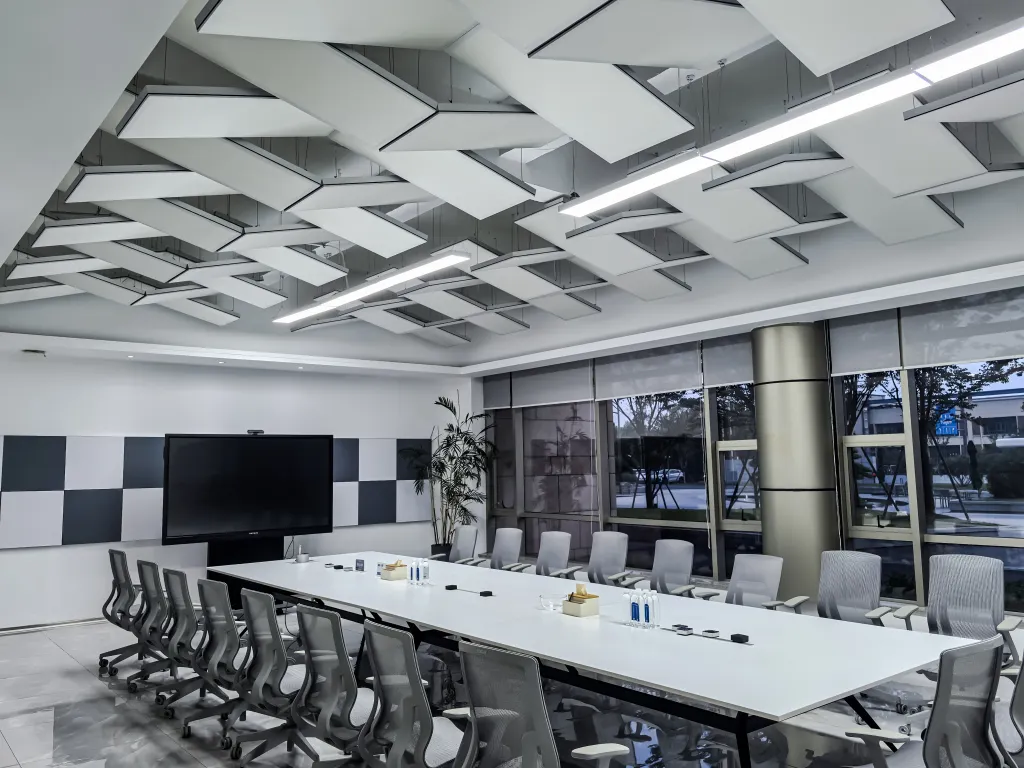
Suitable absorptive finishes can reduce excessive reverberation. Sound transfer between rooms requires attention to partitions, doors, seals, ceilings and flanking paths. Seek acoustic design advice where performance is critical.
5. Provide enclosed activity space
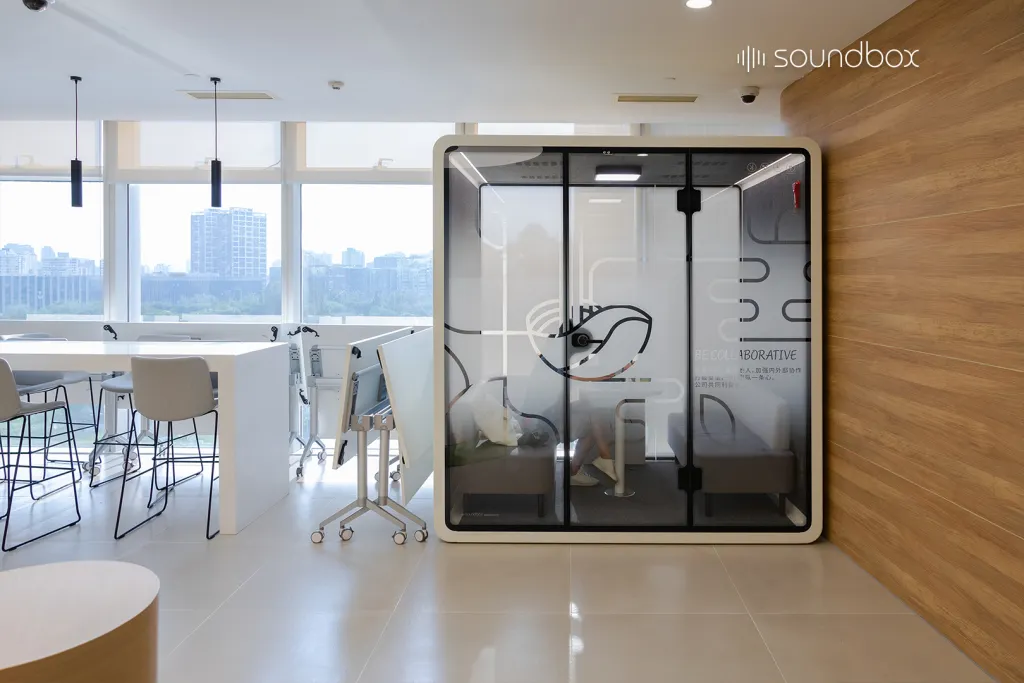
Meeting rooms, quiet rooms and office pods can give calls or focused work a location. Base quantity and capacity on observed demand and booking data. Review ventilation, accessibility, power, fire and egress, delivery and acoustic evidence.
6. Verify the result
Repeat observations after changes and track room use, complaints, booking data and user feedback over a stated period. If enclosed spaces are added, define the expected use before installation and compare demand and interruption reports before and after the change.
Record policy, layout or other changes made during the same period so that workplace outcomes are not attributed to one product alone. Adjust operating rules or the physical solution if the original activity still lacks a suitable place.
A practical open-plan checklist
- Move calls and informal meetings away from focus zones.
- Place quiet activities away from circulation and shared equipment.
- Maintain doors, fans and office equipment.
- Add absorption only after identifying excessive reflection.
- Use enclosed rooms for privacy-sensitive or interruption-heavy work.
- Review demand and complaints after each change.
Use the checklist as a response to observed conditions rather than treating every action as equally applicable. Each measure should address an identified source, path or affected activity.