Tinted Windows Office Privacy

Noise reduction method

2026年1月7日

Tinted Windows Office Privacy

10 Benefits of Tinted Windows Office Spaces: Privacy, Energy, and Acoustic Gains

Overview of Tinted Windows in Office Spaces

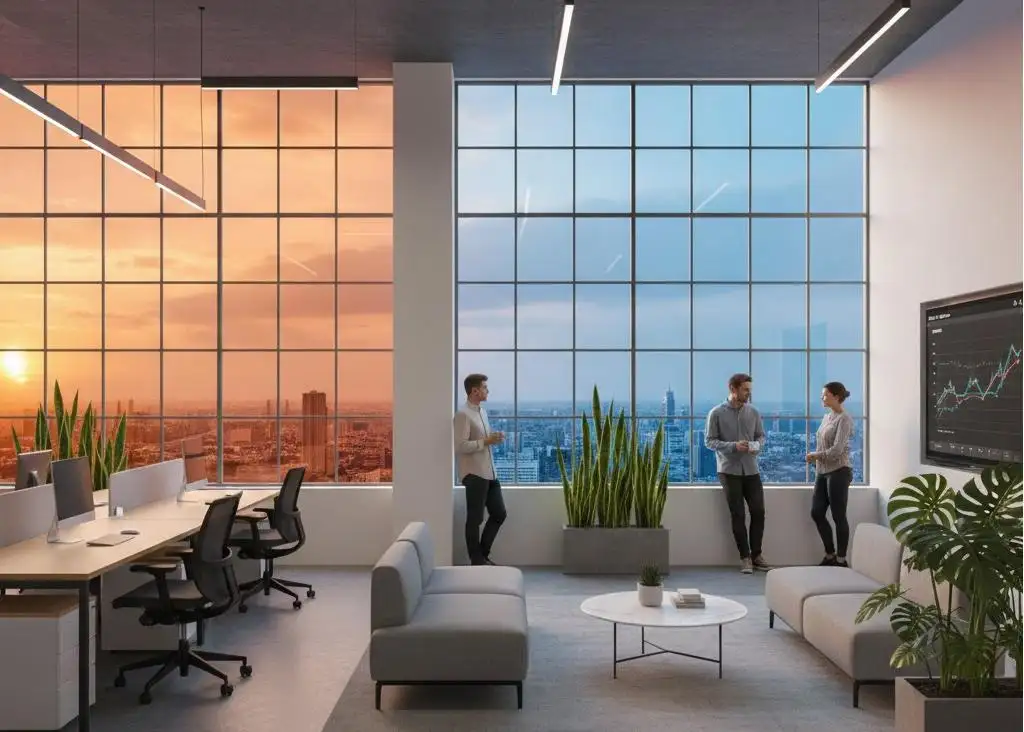
Tinted windows are an increasingly popular feature in modern office design, valued not only for their sleek appearance but also for a range of practical benefits. These specially treated glass windows reduce glare, filter sunlight, and provide a moderate level of shading while still allowing natural light to permeate interior spaces. In office environments, this can foster a more comfortable, energy-efficient, and visually appealing workspace. Beyond aesthetics, tinted windows play a significant role in protecting occupants from harmful UV rays, reducing internal heat buildup, and enhancing overall office sustainability. For facilities managers and workplace planners, understanding how tinted windows integrate within office spaces and contribute to operational efficiency is essential. Moreover, given the ongoing emphasis on employee well-being and sustainable building solutions, incorporating tinted windows offers a timely way to address both environmental impact and occupant comfort. This foundational understanding sets the stage for exploring specific benefits, starting with how tinted windows can enhance privacy without compromising daylight.

Privacy Enhancement

One of the primary advantages of tinted windows in office settings is the improvement of privacy for employees and visitors alike. Offices often have large glass windows or partitions, which, while promoting openness, can also create challenges related to visual privacy. Tinted windows mitigate this issue by limiting visibility from outside into the workspace. They act like a one-way mirror during daylight hours, allowing employees inside to enjoy natural light and external views without exposing activities to passersby or neighboring offices. This subtle yet effective privacy barrier reduces distractions caused by external onlookers and enhances focus by creating a psychologically secure environment.

Enhancing privacy in this manner supports a more productive work atmosphere. Employees who feel shielded from constant observation tend to experience reduced stress and are more comfortable engaging in collaborative discussions or confidential tasks. Moreover, this privacy can extend to client meetings or sensitive negotiations conducted near windowed areas, bolstering confidence in office professionalism. Unlike window coverings or blinds that must be adjusted and could cut off daylight, tinted windows offer a permanent, low-maintenance solution that balances visibility and discretion seamlessly. This improvement in office privacy through window tinting complements other design strategies such as acoustic soundproofing and office pods, which further promote focused and undisturbed work environments.

Energy Efficiency and Cost Savings

Incorporating tinted windows into office spaces can yield significant energy efficiency benefits, translating directly into cost savings for building operations. Tinted glass reduces solar heat gain by blocking a substantial portion of the sun’s infrared rays, which are responsible for warming indoor environments. As a result, this lessens the demand on air conditioning systems during warmer months, often leading to noticeable reductions in HVAC energy consumption. Studies have shown that buildings with properly installed window tinting can reduce cooling costs by up to 30%, which is especially impactful for facilities managers aiming to optimize operational budgets.

Beyond reducing cooling expenses, tinted windows also contribute to maintaining stable indoor temperatures, decreasing the workload on heating systems in cooler seasons by minimizing heat loss through glazing. This dual-season energy management enhances overall building sustainability and occupant comfort. Additionally, window tinting can mitigate glare, which often leads to employees adjusting thermostats in vain attempts to reduce discomfort, further stabilizing energy use patterns.

When evaluating return on investment, the initial cost of installing tinted windows is often offset within a few years due to these ongoing savings. Furthermore, many regions offer incentives or rebates for energy-efficient building upgrades, which facilities managers can leverage to lower upfront expenses. By optimizing energy efficiency through tinted windows, offices not only reduce utility bills but also decrease their carbon footprint, aligning with broader corporate sustainability goals and regulatory compliance.

https://oss.soundbox-pod.com/markdown/library-slience-booth_1767771209136.jpg

The energy-saving potential of tinted windows interfaces well with other office design elements, including acoustic enhancements, which will be explored next in terms of creating a quieter, more conducive workplace environment.

Acoustic Benefits

Tinted windows, while primarily known for their visual and thermal qualities, also contribute indirectly to improving acoustic comfort within office spaces. Although glass alone is not a strong sound insulator, window tinting films or laminated tinted glass can enhance soundproofing by adding layers that reduce the transmission of external noise into the office. This is especially important in urban environments or buildings located near busy streets, construction sites, or other noise sources where maintaining a quiet work setting is challenging.

Moreover, when combined with acoustic soundproof panels inside the office, tinted windows create a synergistic effect that enhances overall noise control. The reduction of distracting sounds supports clearer communication, higher concentration levels, and reduced stress among employees. This aligns with best practices in modern office design, where the acoustic environment is recognized as critical to productivity and well-being.

Acoustic benefits extend to reducing the disturbance of internal noises leaking out, which can be important for maintaining privacy during meetings or confidential discussions held near windowed walls. By incorporating tinted windows with enhanced acoustic properties, workplaces establish zones of relative quiet, supporting diverse work styles from collaborative brainstorming to focused individual tasks.

This acoustic advantage complements other innovative office solutions, such as office pods, which further integrate privacy and sound management for employees seeking dedicated, distraction-free spaces.

Integration with Office Pods

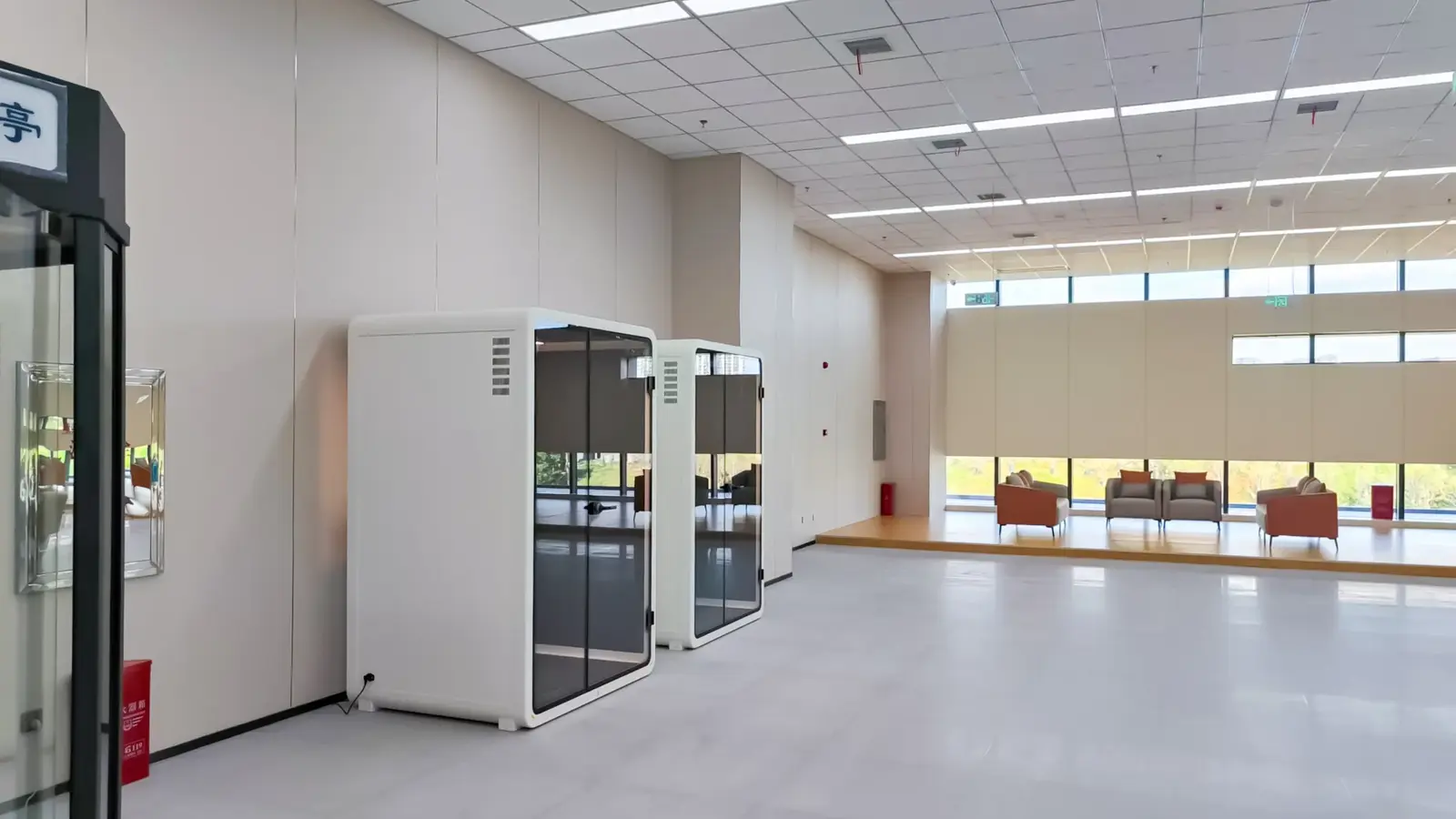
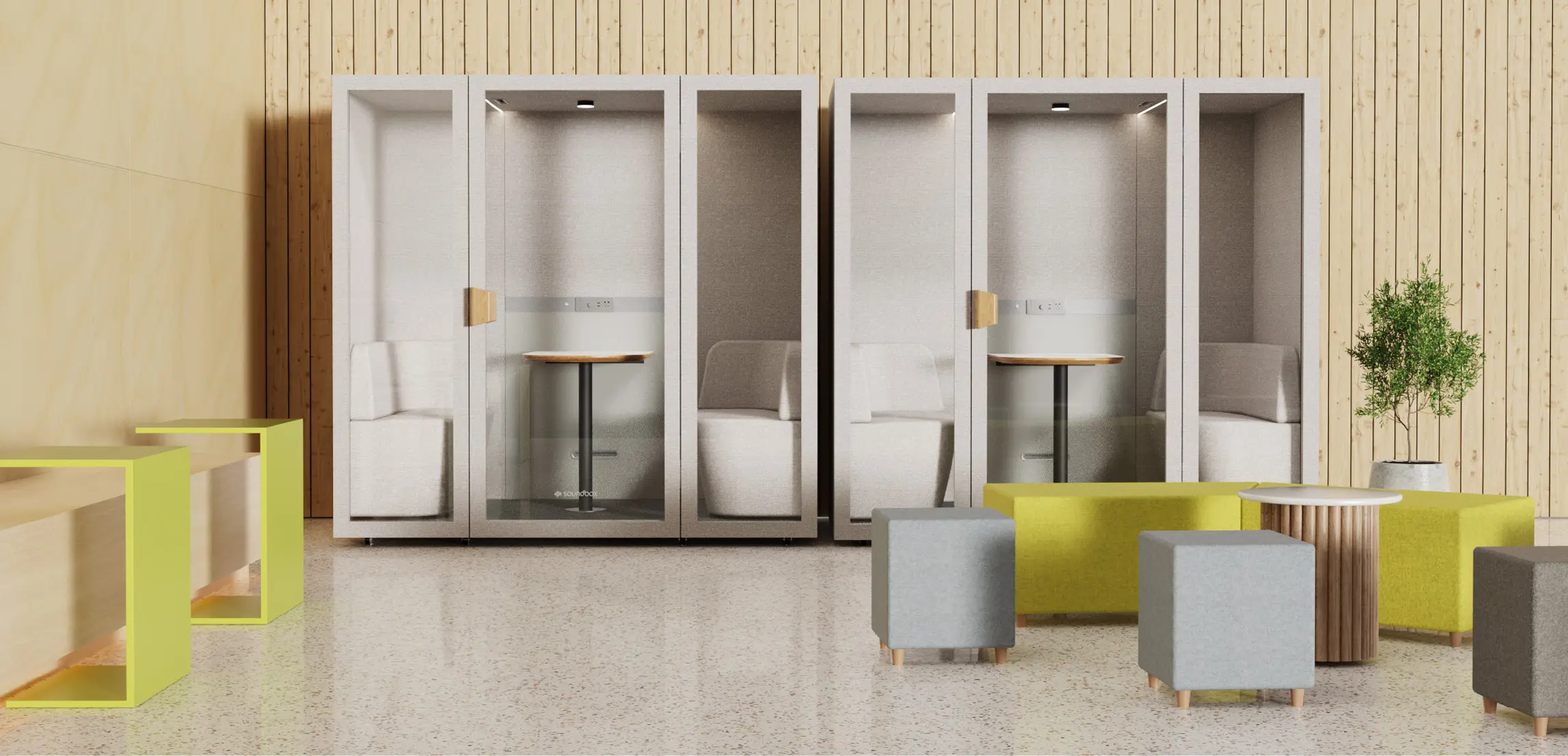
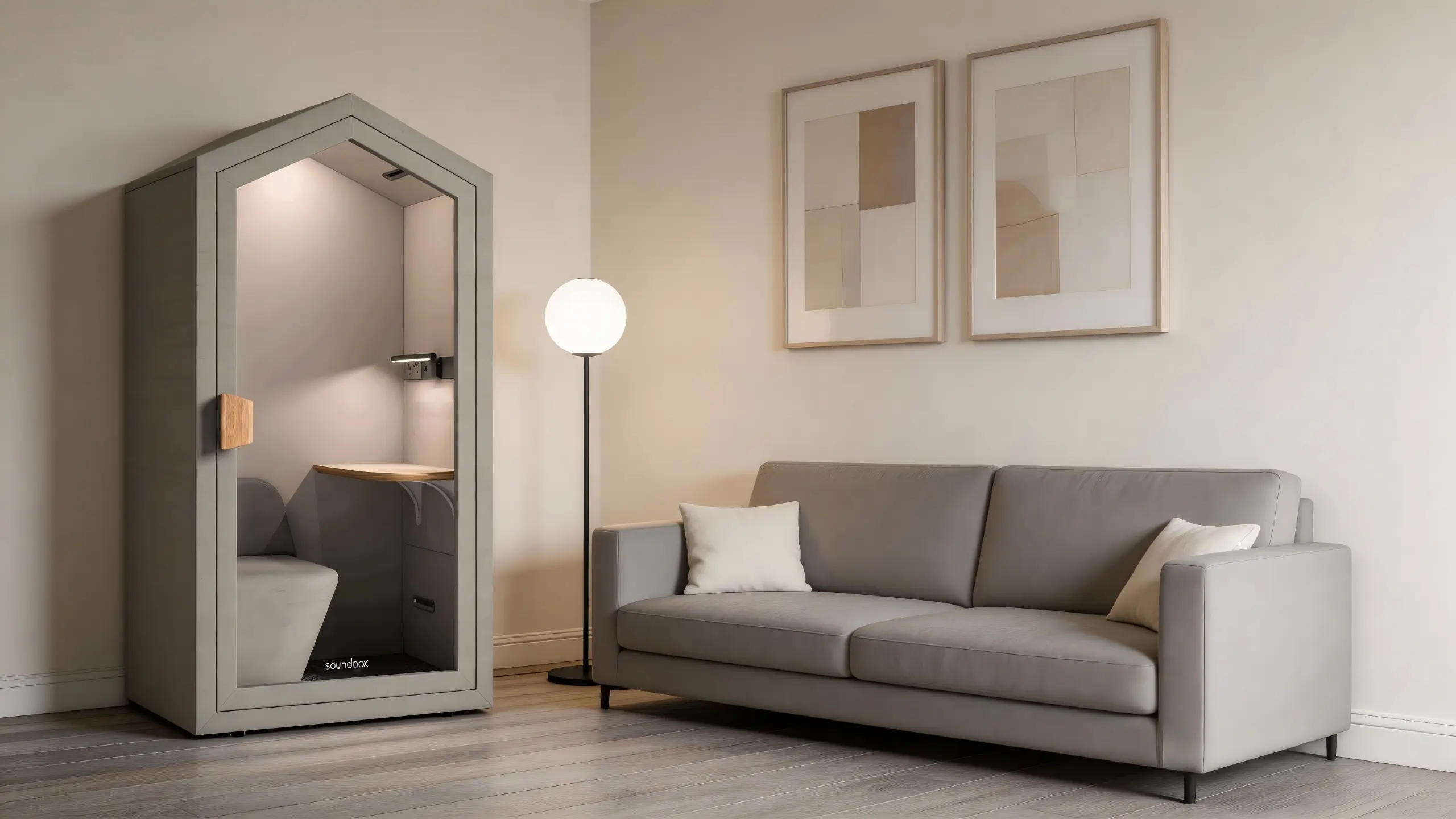
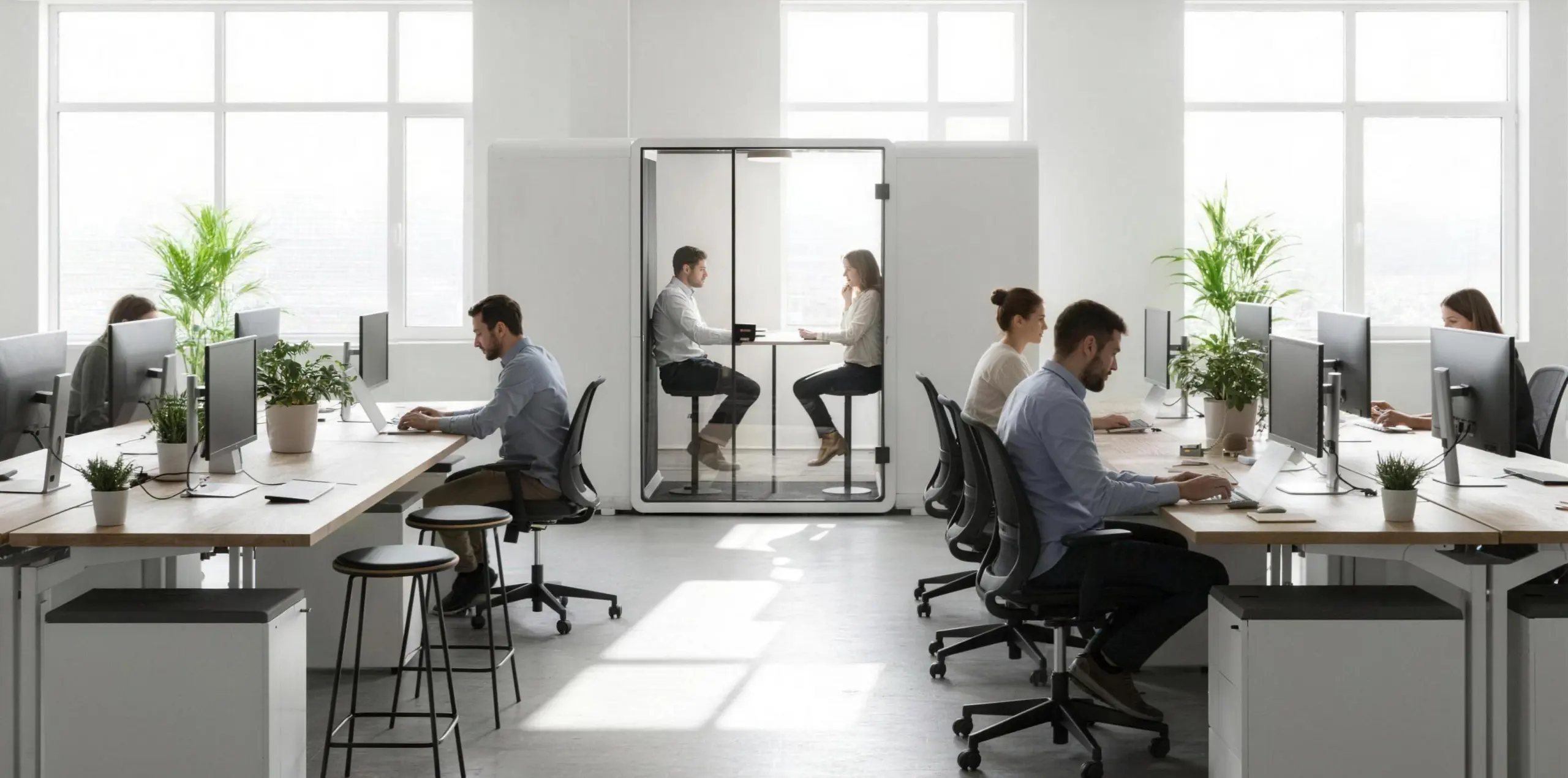
Office pods have become a transformative element in modern workplaces, designed to create private, quiet zones for focused work or confidential discussions without the need for permanent construction. When integrated with tinted windows, office pods elevate both visual and acoustic privacy, delivering a comprehensive solution that addresses multiple productivity challenges faced in open-plan offices.

Tinted windows on office pods serve the dual purpose of limiting external visibility while still permitting ample natural light, preventing these pods from feeling enclosed or claustrophobic. This combination allows employees to work in a visually comfortable, private environment that doesn’t feel disconnected from the wider office. The tinted glass acts as a shield, enabling occupants to maintain discretion during sensitive meetings or phone calls without needing to close blinds or use opaque walls.

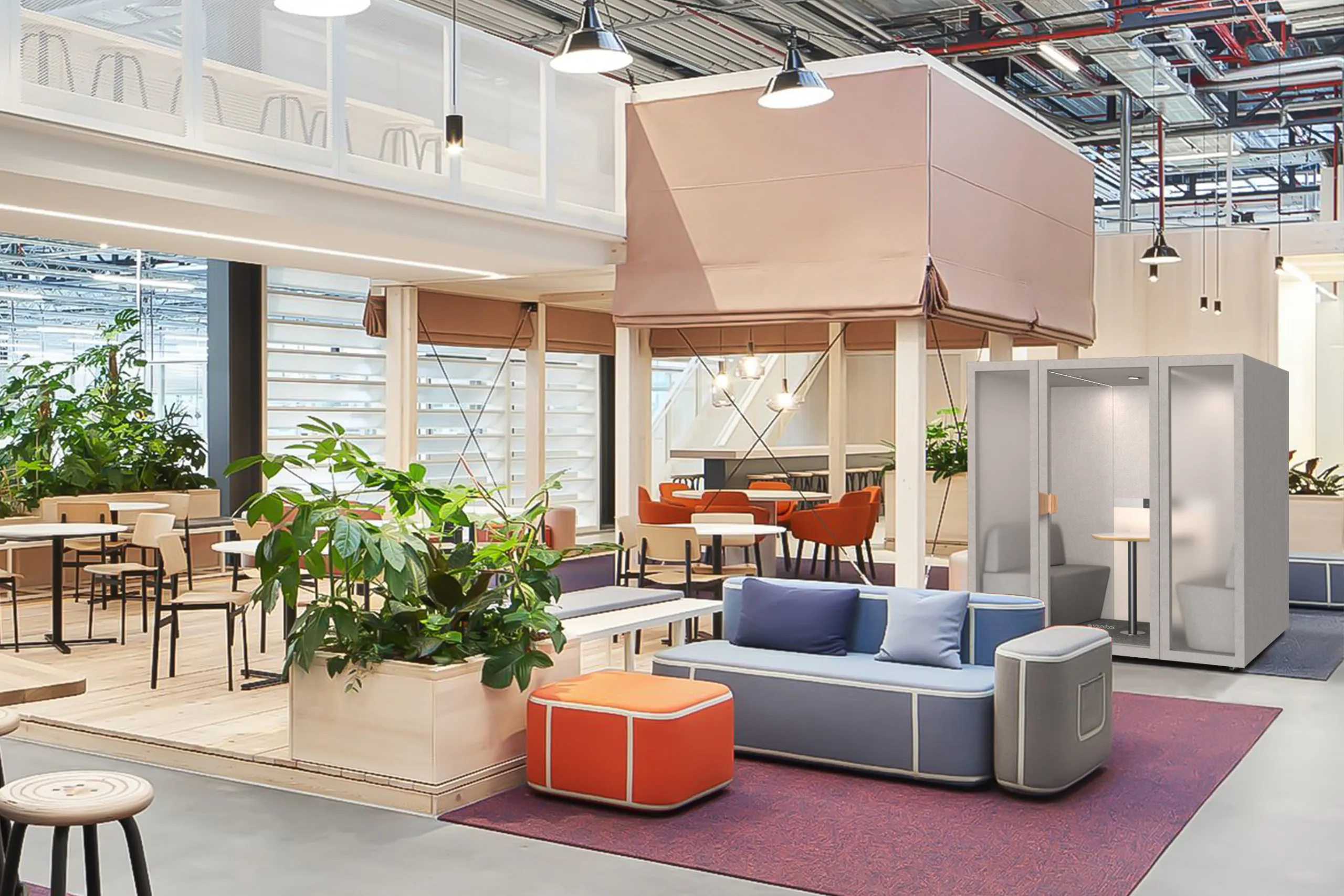
From an acoustic standpoint, office pods often utilize soundproof panels designed to absorb and block noise. When these pods incorporate tinted windows with acoustic-enhancing films or laminated glass, the overall sound insulation improves further, reducing distractions from nearby workstations or hallways. This synergy creates an environment conducive to deep focus and confidential communication, addressing two core privacy needs simultaneously.

https://oss.soundbox-pod.com/markdown/school-ceiling-acoustic-panel_1767771249739.jpg

Practical setups for integrating tinted windows with office pods range from standalone booths placed strategically within open-plan areas to modular units that feature full glass walls. Facilities managers can customize these pods with varying levels of tint and acoustic treatment to suit specific work styles and organizational priorities. This flexibility makes tinted window office pods an excellent choice for optimizing space while promoting employee well-being and operational efficiency.

Having explored how tinted windows contribute to integrated privacy and acoustic solutions, the aesthetic appeal and impact on external views offered by these windows further enhance workplace quality, which will be examined next.

Aesthetic Appeal and External Views

Aesthetic appeal plays a vital role in creating an inviting and motivating office atmosphere. Tinted windows contribute significantly to this by offering a modern, sleek appearance that complements contemporary office designs. Their subtle shading can add depth and style to building facades and interior spaces, making workplaces appear polished and thoughtfully designed. For employees, working in an environment that looks and feels upscale can boost morale and overall job satisfaction.

Moreover, tinted windows enhance external views by reducing glare and balancing natural light levels throughout the day. Rather than harsh sunlight flooding into offices and obscuring outdoor scenery, tinted glass softly filters daylight, providing clearer, more comfortable views of the surroundings. This connection to the outside world is crucial for employee well-being and has been linked by multiple studies to increased productivity and reduced stress.

Facilities managers can leverage tinted windows as part of a broader office window solution that prioritizes aesthetics alongside functionality. By selecting the appropriate tint levels and finishes, they can tailor how transparent or reflective windows appear, enhancing both privacy and external views without sacrificing the ambiance of openness.

The aesthetic benefits of tinted windows foster a positive first impression on clients and visitors, reinforcing the professional image of the organization. In addition, pleasant visual environments can reduce eye strain and fatigue among staff, further supporting health and productivity.

Next, the protective qualities of tinted windows against UV radiation and their role in preserving office furnishings will be discussed.

UV Protection and Furniture Preservation

Tinted windows provide vital protection against ultraviolet (UV) radiation, which is a major factor in the degradation and fading of office furnishings, textiles, and artwork. By filtering out up to 99% of harmful UV rays, tinted glass helps to prolong the lifespan of carpets, upholstery, and interior decorations, preserving the office’s aesthetic integrity and reducing replacement costs over time.

UV protection also contributes significantly to employee comfort by minimizing glare that can lead to eye strain and headaches. Employees working near large windows often benefit from reduced glare, which allows for better screen visibility and greater focus throughout the day.

The preservation of furniture and reduction in glare are important considerations for facilities managers looking to maximize their office’s longevity and maintain a pleasant, visually comfortable environment. By preventing UV damage, tinted windows protect valuable assets, supporting sustainability and fiscal responsibility.

Having addressed protection and preservation benefits, the discussion will now move to the maintenance and durability features that make tinted windows an ideal choice for busy office settings.

Maintenance and Durability

Tinted windows are designed to be highly durable and require minimal maintenance, making them an ideal choice for busy office environments. The tinting films or coatings used are typically resistant to scratching, fading, and peeling, ensuring long-lasting performance even in high-traffic commercial settings. This durability means that facilities managers can rely on tinted windows to maintain their functional and aesthetic qualities over many years without frequent replacement or repair.

Cleaning tinted windows is straightforward and does not require special products; standard glass cleaning agents and soft cloths suffice to keep them clear and free from smudges. Unlike blinds or curtains, tinted windows don’t need constant adjustments, which saves on labor and reduces wear associated with mechanical components.

Their robust construction also helps withstand the rigors of daily office use and occasional impacts, contributing to workplace safety. Because of their long lifespan and low upkeep, tinted windows present a cost-effective solution for facilities managers seeking to improve office environments without adding ongoing maintenance burdens.

These maintenance and durability advantages are complemented by compliance with safety standards and additional security features, which will be explored in the next section.

Regulatory Compliance and Safety Features

Tinted windows meet a range of regulatory requirements designed to ensure occupant safety, energy efficiency, and environmental protection. Building codes in many regions specify glazing standards that tinted windows can help satisfy by limiting solar heat gain and reducing glare while maintaining acceptable light transmittance. Compliance with these regulations helps workplaces avoid costly penalties and supports certifications for sustainable building programs like LEED.

In terms of safety, many tinted window films enhance glass strength and prevent shattering caused by impact or natural disasters, reducing the risk of injury. This safety feature is particularly important in office settings where large expanses of glass expose occupants to potential hazards. Anti-shatter coatings or laminated films used in conjunction with tinting improve resistance to breakage and increase overall window durability.

Moreover, tinted windows add an extra layer of security by obscuring the interior view from outside, thereby deterring potential intruders and enhancing privacy. This can be critical for offices managing sensitive information or valuable equipment, contributing to a safer and more secure workplace environment.

By meeting regulatory requirements and providing enhanced safety and security benefits, tinted windows offer facilities managers a compliant and reliable window solution that supports both occupant well-being and organizational standards.

Case Studies and Real-World Examples

Real-world examples demonstrate the tangible benefits of incorporating tinted windows within office spaces. For instance, a mid-sized technology firm in Chicago reported a 25% reduction in their annual cooling expenses after retrofitting their building with high-quality tinted window films. This substantial saving allowed them to reallocate funds toward employee wellness programs and technological upgrades. Facility managers noted an immediate improvement in occupant comfort, with reduced glare and more consistent indoor temperatures.

https://oss.soundbox-pod.com/markdown/modern-office-tinted-windows_1767771242706.jpg

Another case study from a financial services company in New York highlighted how tinted windows complemented their investment in office pods and acoustic panels. The combination created private, quiet, and visually secure environments for client meetings. Employees reported higher satisfaction levels and enhanced productivity, attributing it to the improved privacy and reduced distractions.

A university administrative building in California also leveraged tinted window technology to achieve LEED certification by demonstrating energy efficiency and occupant comfort improvements. Facility managers praised the durability and low maintenance of the window films, which contributed to long-term sustainability goals.

These examples underscore how tinted windows serve as a practical and effective solution for diverse office needs-from cost savings and energy efficiency to improved privacy and workplace satisfaction. Integrating tinted windows can thus be a strategic move for facilities managers seeking comprehensive, real-world benefits.

For a tailored consultation or to explore office modifications involving tinted windows and acoustic solutions, contact SoundBox Booth through their website, where expert guidance and estimates are readily available.