Tinted or filmed glass can reduce visibility in some lighting conditions and support visual zoning. It does not provide speech privacy, and its visual effect changes with light on each side.
Define the sightline
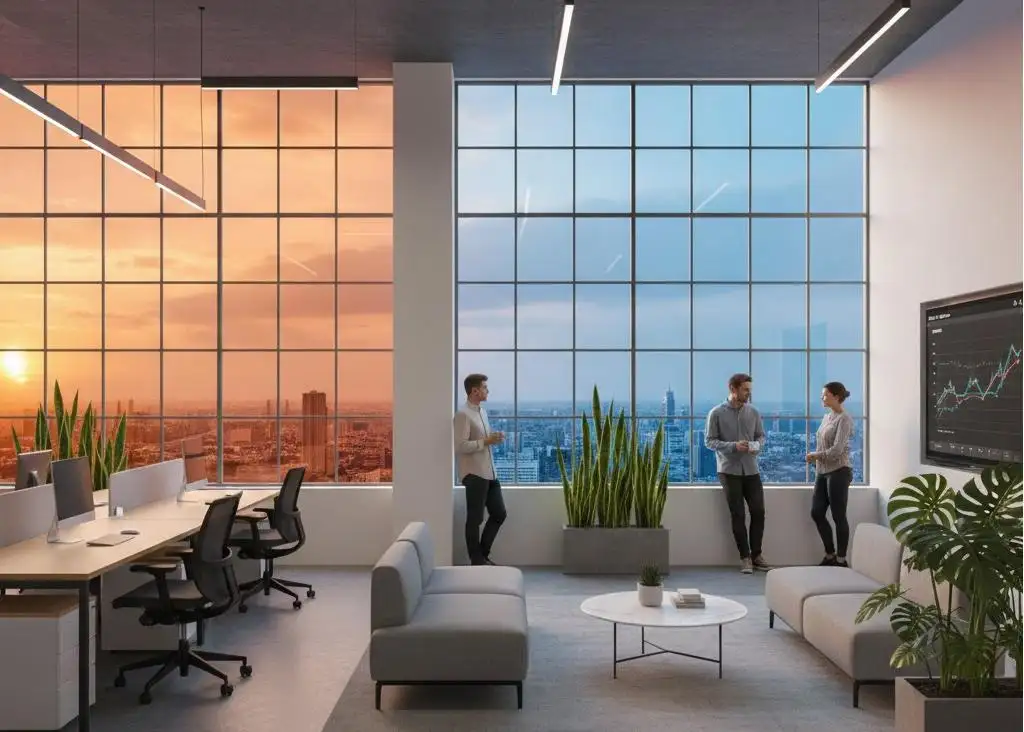
Identify who should not see what, from which position and at what time. Test samples under daytime and evening conditions. One-way mirror effects depend on a lighting difference and should not be treated as permanent privacy.
Check both seated and standing sightlines, including views through doors, internal windows and reflections from adjacent glazing.
Choose the treatment
Options include tinted glass, translucent film, patterned film, switchable glazing and blinds. Compare visibility, daylight, glare, cleaning, durability, replacement and cost.
Partial-height or patterned film may be used to obscure selected sightlines while retaining clearer areas elsewhere. Confirm the height and position against the final furniture and screen layout.
Check safety and accessibility
Maintain manifestation and contrast needed to make glazing visible. Confirm film compatibility, fire and building requirements, warranty and emergency visibility with the project team.
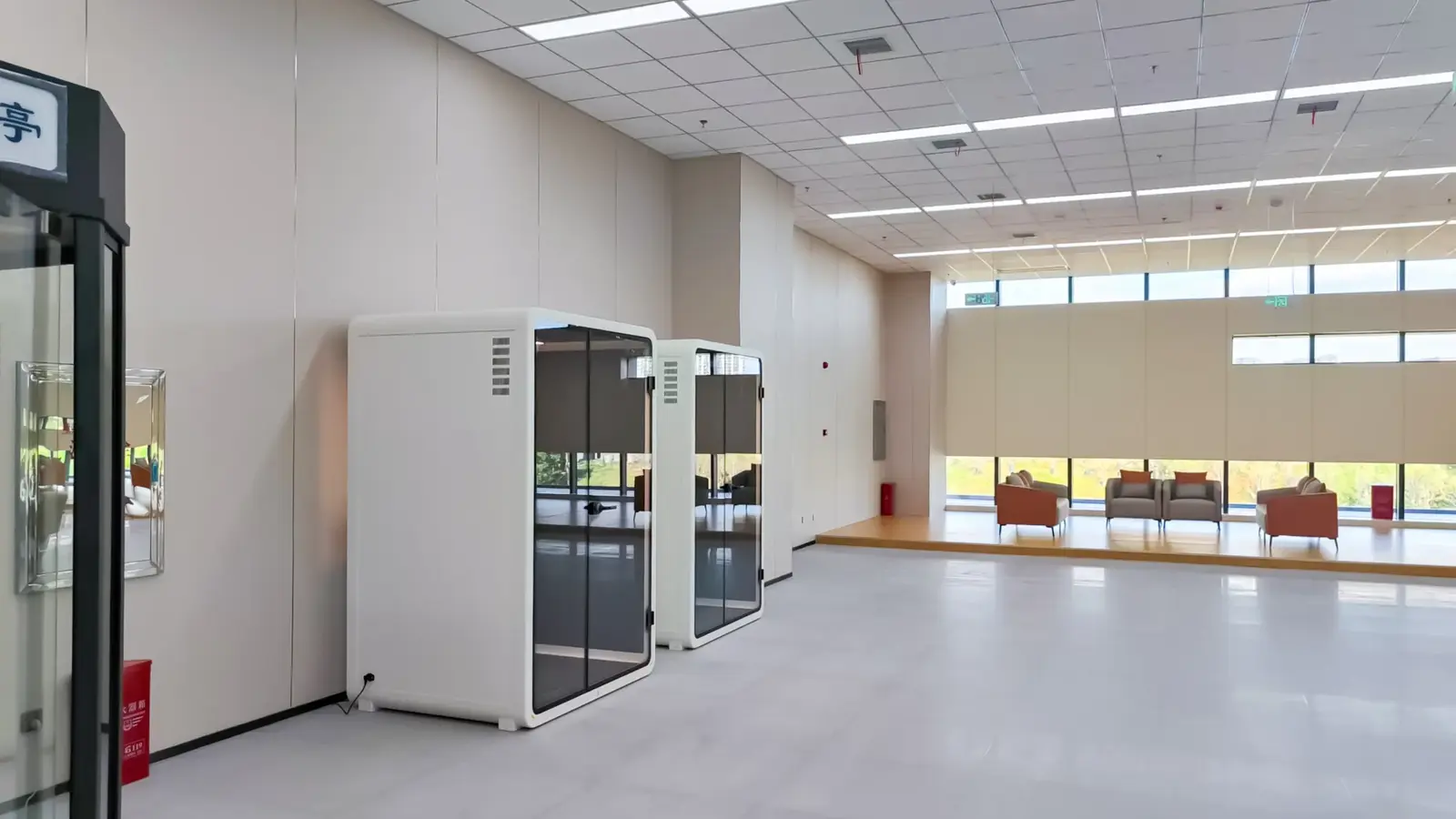
Address speech separately
If conversations are sensitive, review doors, seals, partitions, background sound and acoustic performance. A visual treatment does not stop speech transmission.