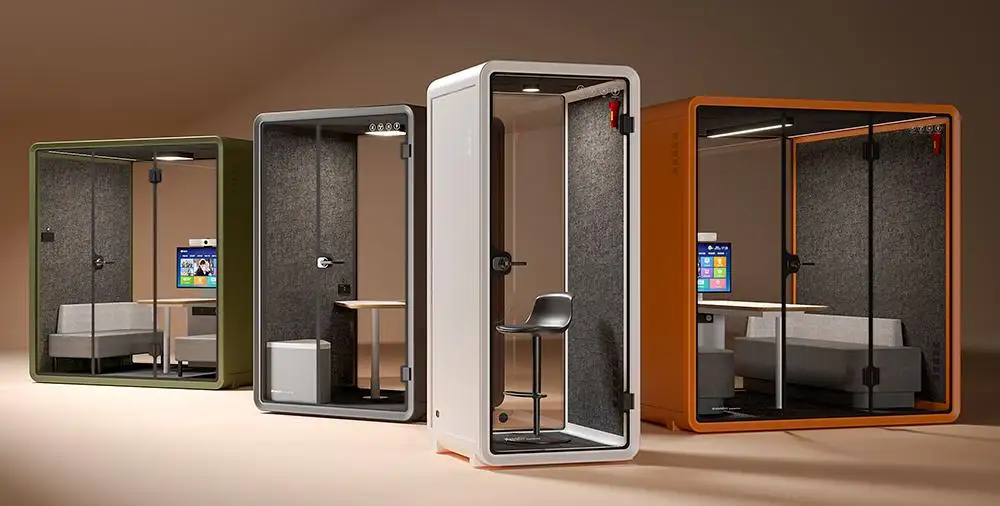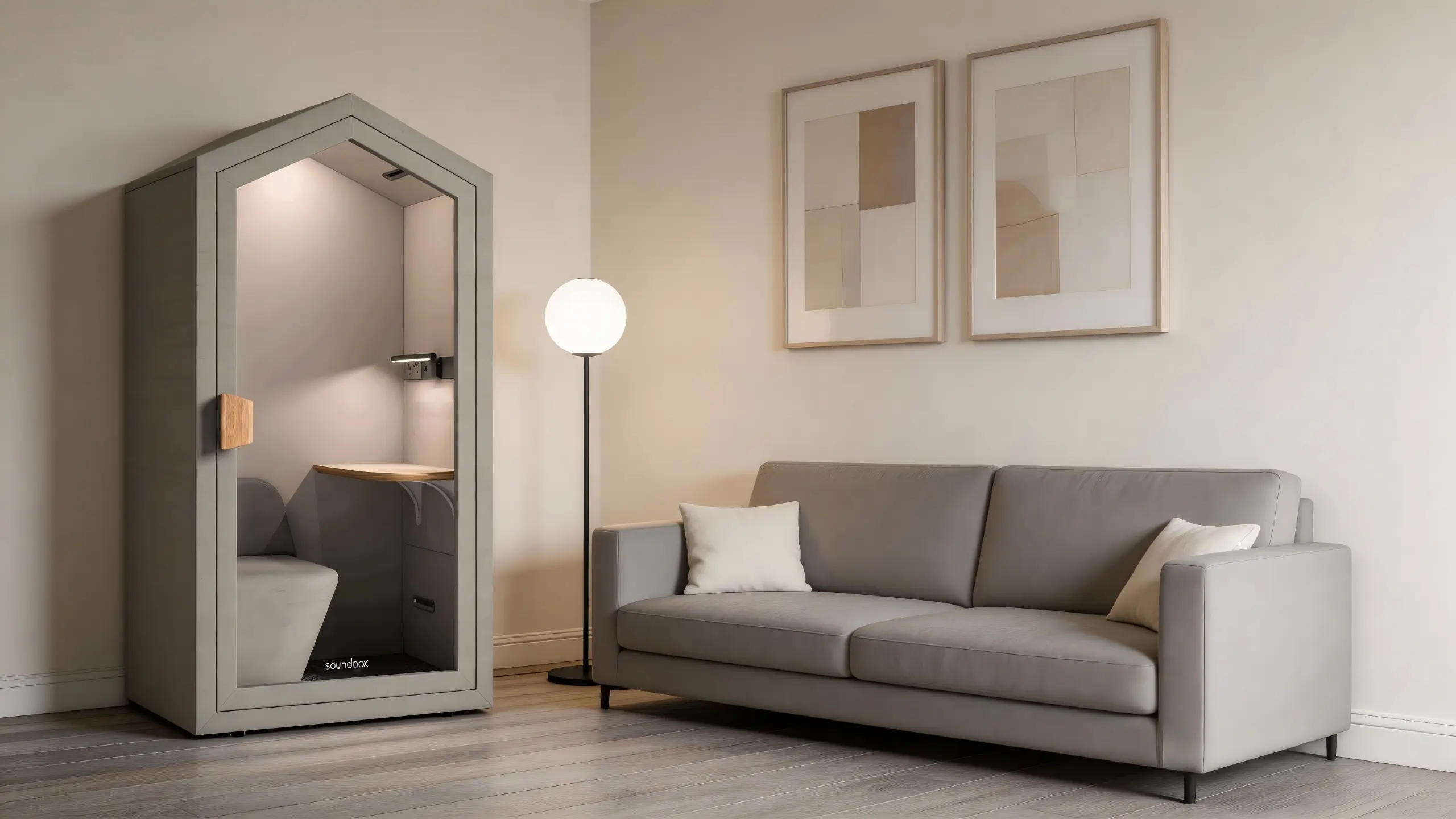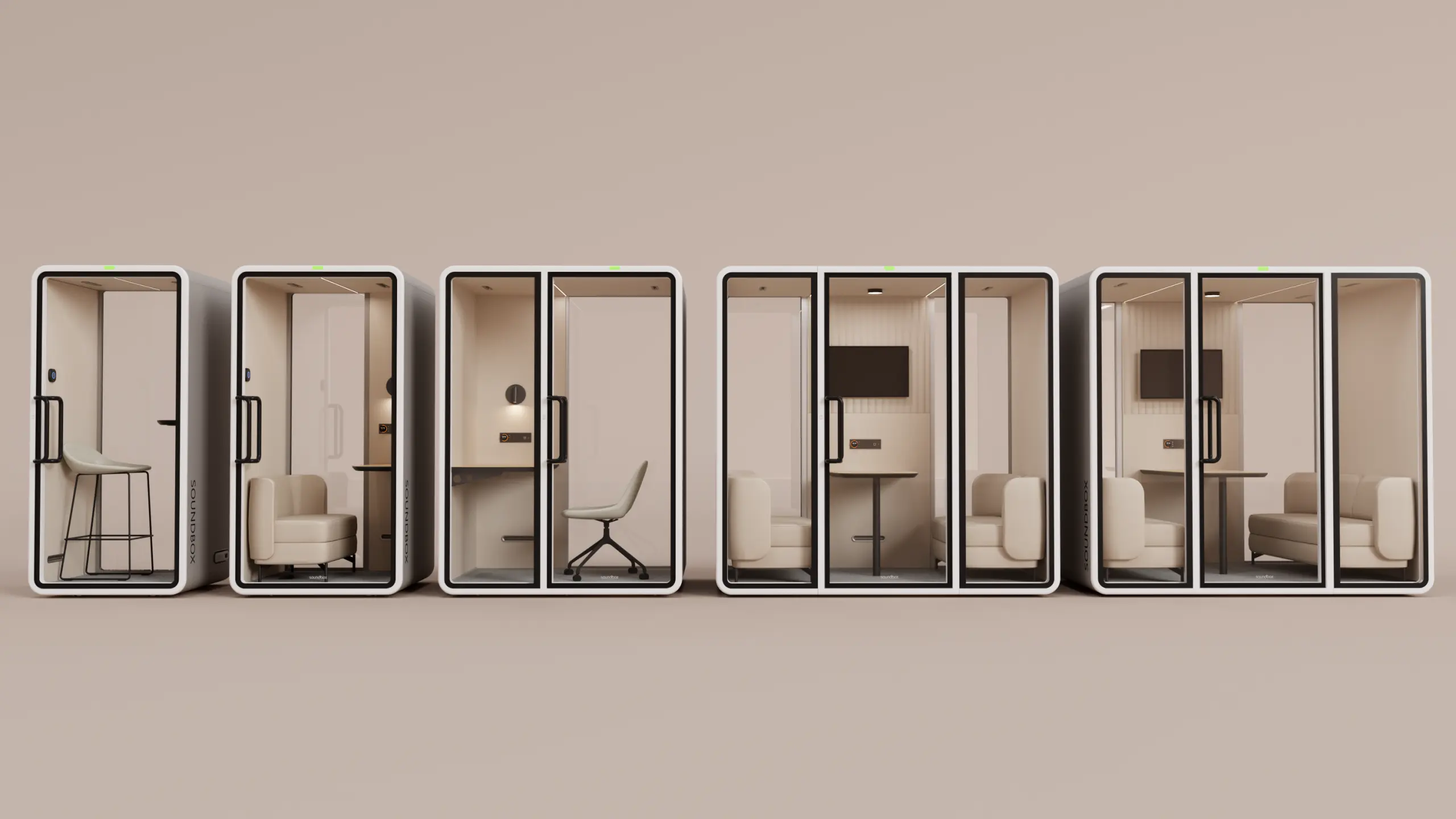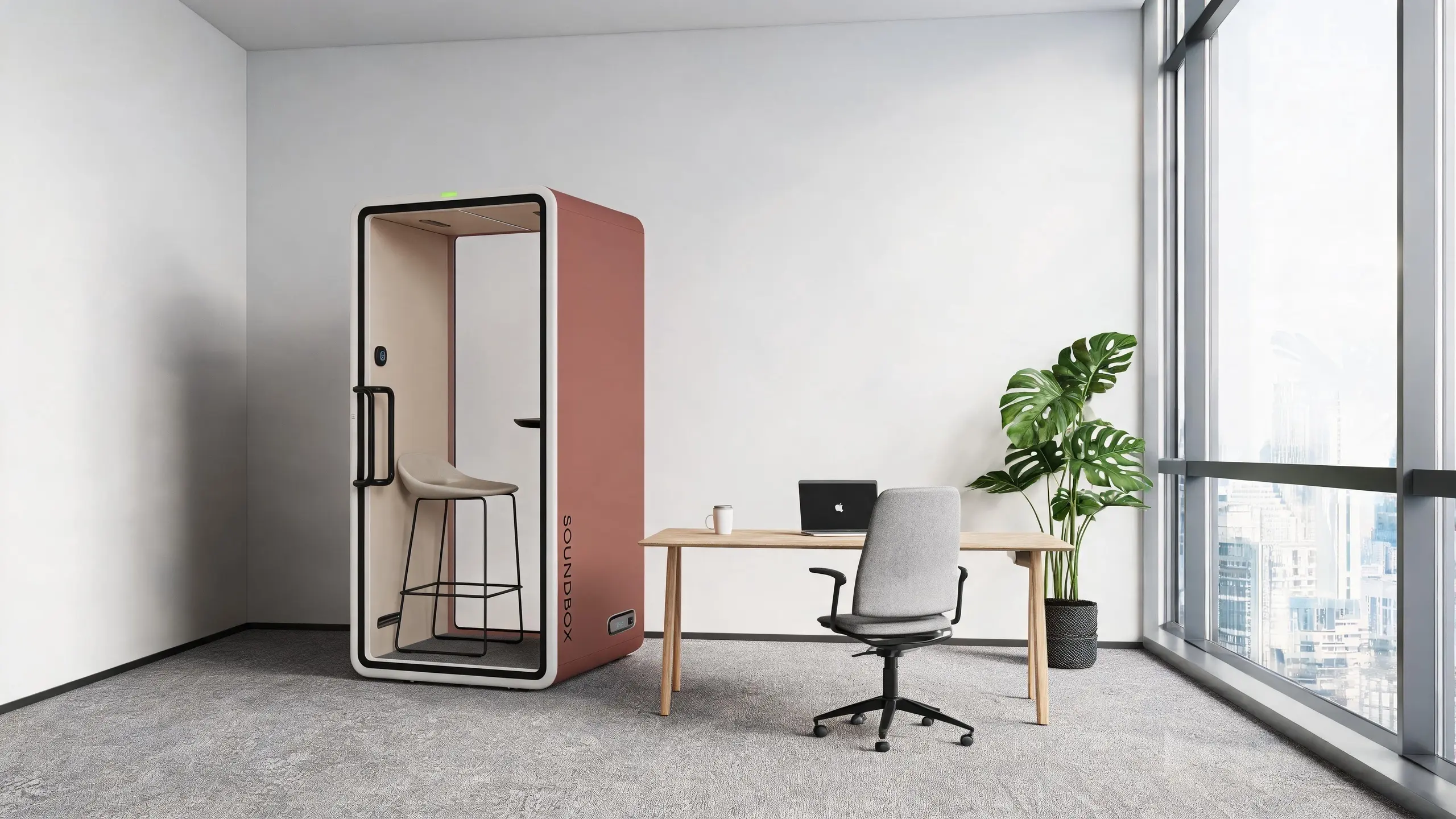
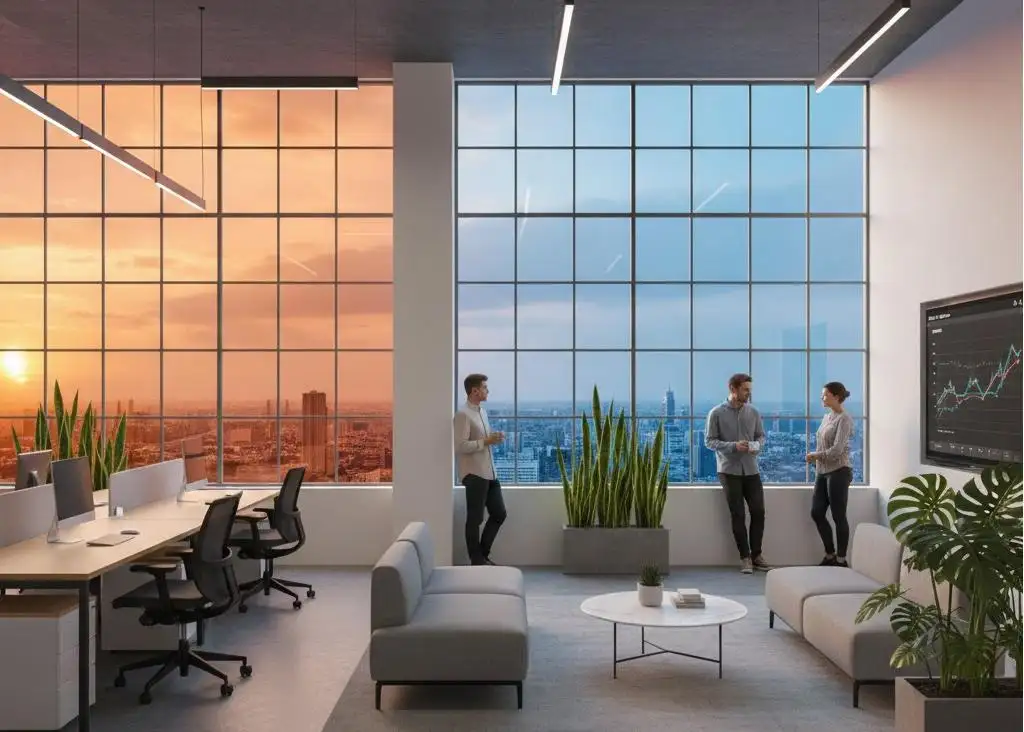
Tinted or filmed glass can reduce visibility and help define visually private areas while retaining some daylight. The result depends on the treatment, viewing angle and lighting on each side of the glass, so it should not be treated as guaranteed privacy in every condition.
Define the sightline
Begin by identifying what needs to be screened, who may see it and from which position. Protecting information on a display may require a different treatment from limiting views into a meeting space or office pod.
Check sightlines from seated and standing positions, as well as views through doors, internal windows and adjacent glazing. Furniture and screen positions should be included in the review because moving them may expose information above, below or beside the treated area.
Test a sample in the proposed location during both daytime and evening use. Reflective or one-way mirror effects rely on a difference in light levels. When that lighting balance changes, visibility through the glass may also change.
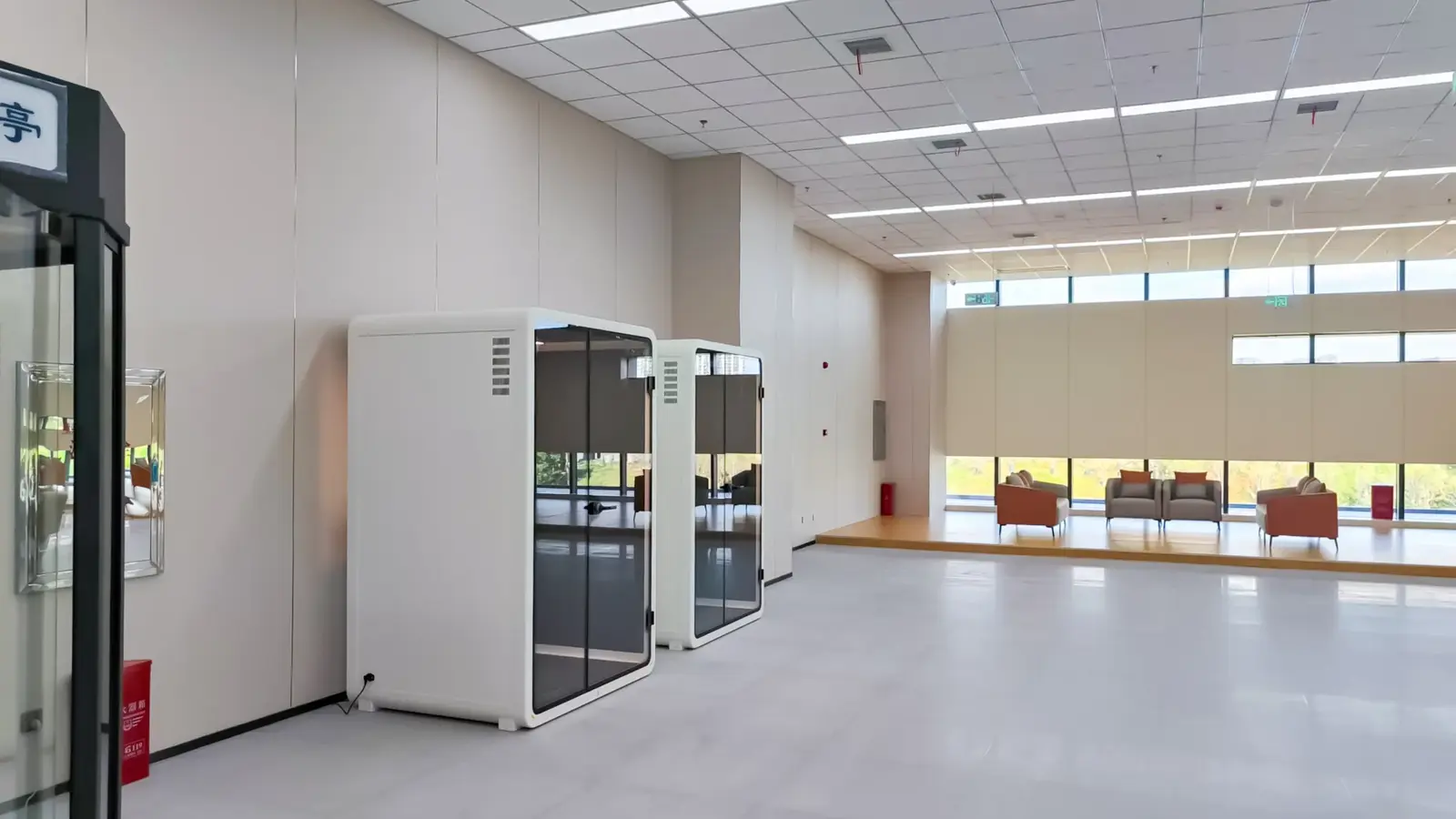
For a Soundbox pod, review the glazed door and each side panel separately. A door facing a corridor may require different screening from a side panel facing a wall or workstation. Include the pod orientation and surrounding furniture in the sightline review.
Choose the treatment
Options include tinted glass, translucent film, patterned film, switchable glazing, and blinds. Compare the level of screening, daylight, outward visibility, glare, cleaning requirements, durability, replacement, and cost.
Tint level and finish affect how transparent or reflective the glass appears. A darker treatment may provide more visual screening, but it may also reduce daylight or change the view from inside the pod. Test samples under the expected daytime and evening lighting conditions before selecting a treatment.
Full coverage is not always necessary. Partial-height or patterned film can obscure selected sightlines while leaving other areas clear. Confirm the height and position using the final furniture, seating, and screen layout.
Consider how the treatment will coordinate with the pod color, surrounding finishes, and overall workplace design. Review the sample from the normal seated position to check outward visibility, reflections, and glare on laptops or displays.
Where available, window film can be custom printed with a company logo, branded graphics, or a project-specific pattern. Confirm the artwork, coverage, opacity, glass compatibility, approved cleaning method, and replacement process for the selected film.
Check safety and accessibility
Maintain any markings and contrast required to make glazed panels and doors clearly visible. The selected treatment should not obscure door controls, occupancy indicators, safety markings, or visibility required for emergency use.
Confirm that the glass or film is compatible with the selected Soundbox configuration and does not interfere with door operation. The responsible project team should review applicable fire, building, accessibility, and emergency visibility requirements, together with any effect on the product warranty.
If solar control, UV filtering, impact resistance, or anti-shatter performance is required, request documentation for the exact glass or film being specified. These properties should not be assumed from the treatment’s color, thickness, or appearance.
Address speech separately
Tinted glass and decorative film address visual privacy. Their color or appearance should not be taken as evidence of speech privacy or improved acoustic performance.
Where conversations are sensitive, review acoustic test evidence for the complete pod model and configuration rather than the glass alone. Overall performance depends on the glazing, door, panels, connections, ventilation paths, pod location, and surrounding background sound. If laminated glass or a specialist film is marketed with acoustic properties, request test results for the exact product and configuration.
To discuss glazing or film options for a Soundbox pod, contact our team with the selected model, floor plan, proposed location, and sightlines that need to be screened. We can confirm the available options and project information.