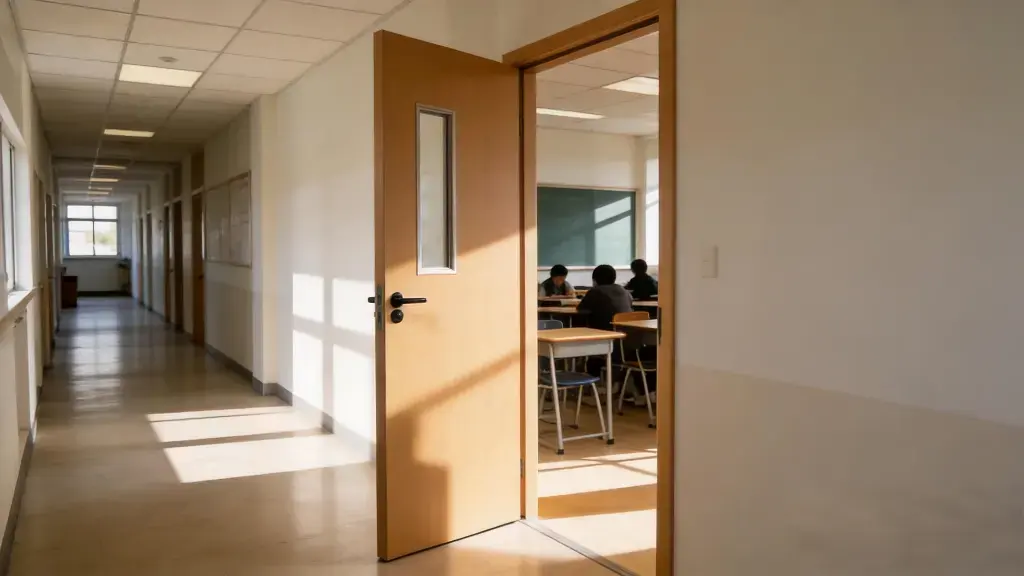
Students need to hear speech clearly across the room. Background noise and excessive reverberation can make speech harder to understand. Noise may come from corridors, outdoor traffic, or equipment within the classroom.
Identify the problem
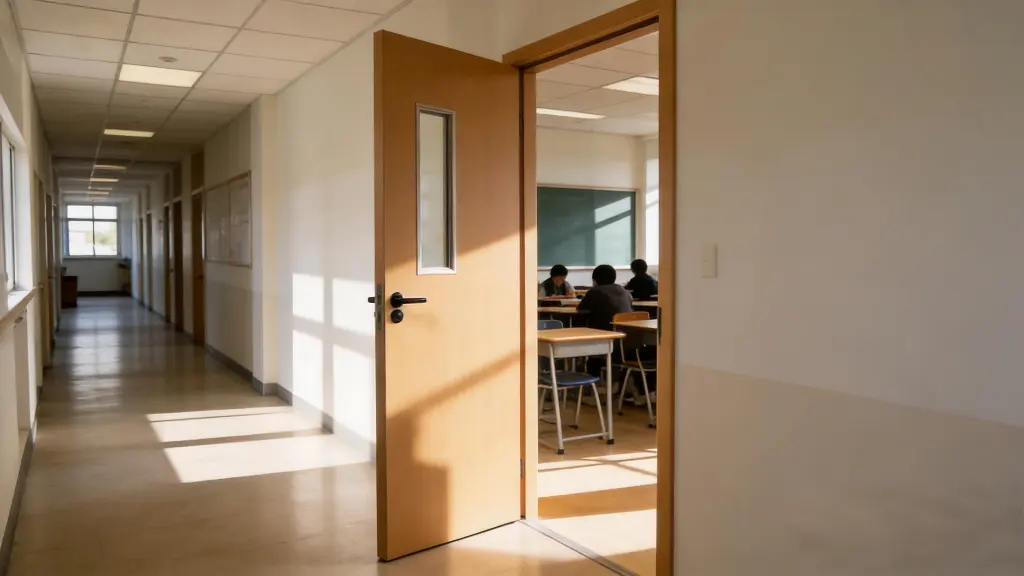
Observe the classroom during normal use. Note whether the disturbance comes from ventilation, outdoor traffic, adjacent rooms, furniture movement or student activity. Listen from several seats and record when speech becomes difficult to follow. A qualified acoustic professional can assess background noise, reverberation and sound isolation where a formal assessment is needed. For formal testing, follow the occupancy and building-services conditions specified by the applicable standard; observations during a lesson serve a different purpose.
Match the treatment to the cause
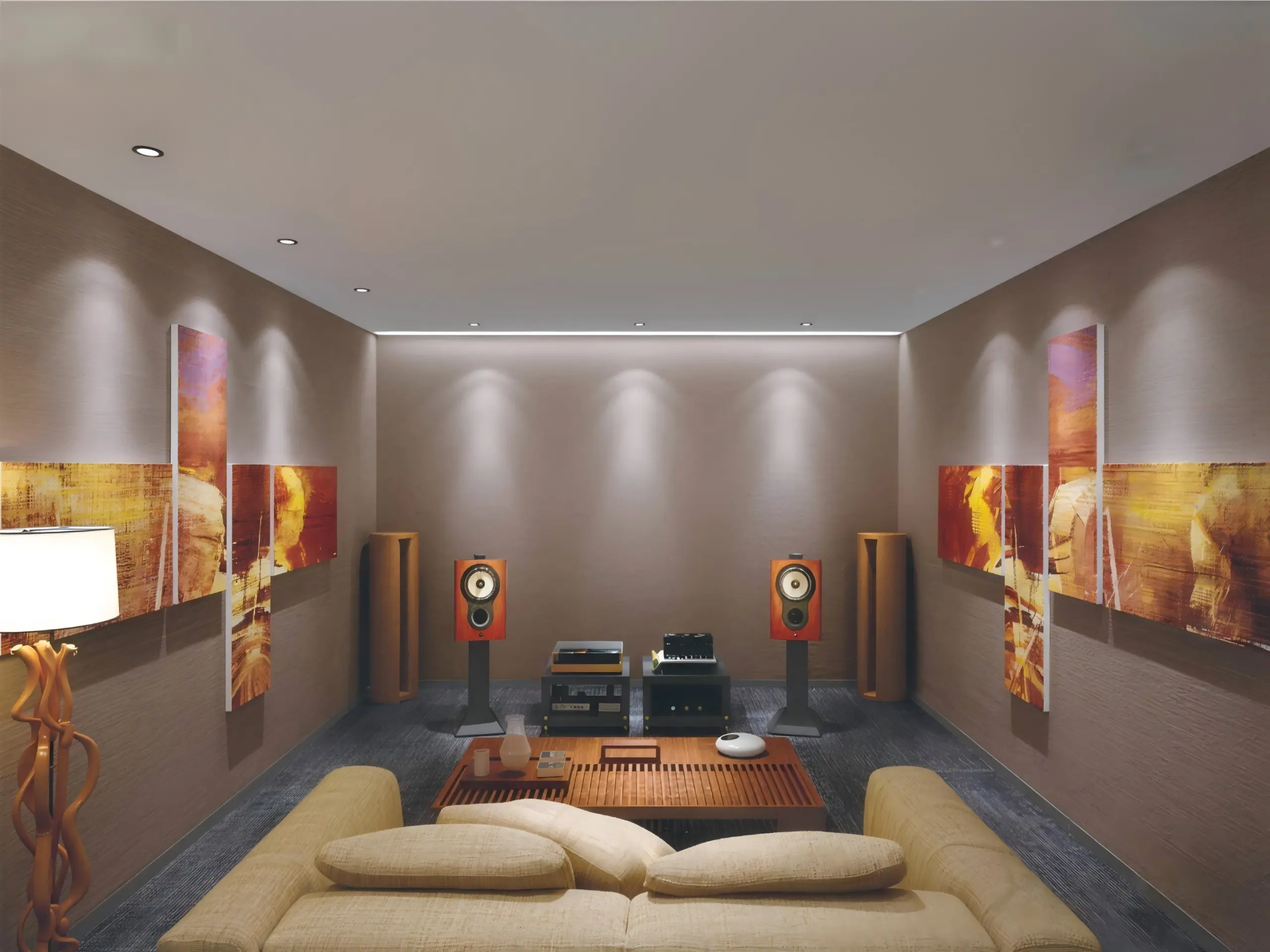
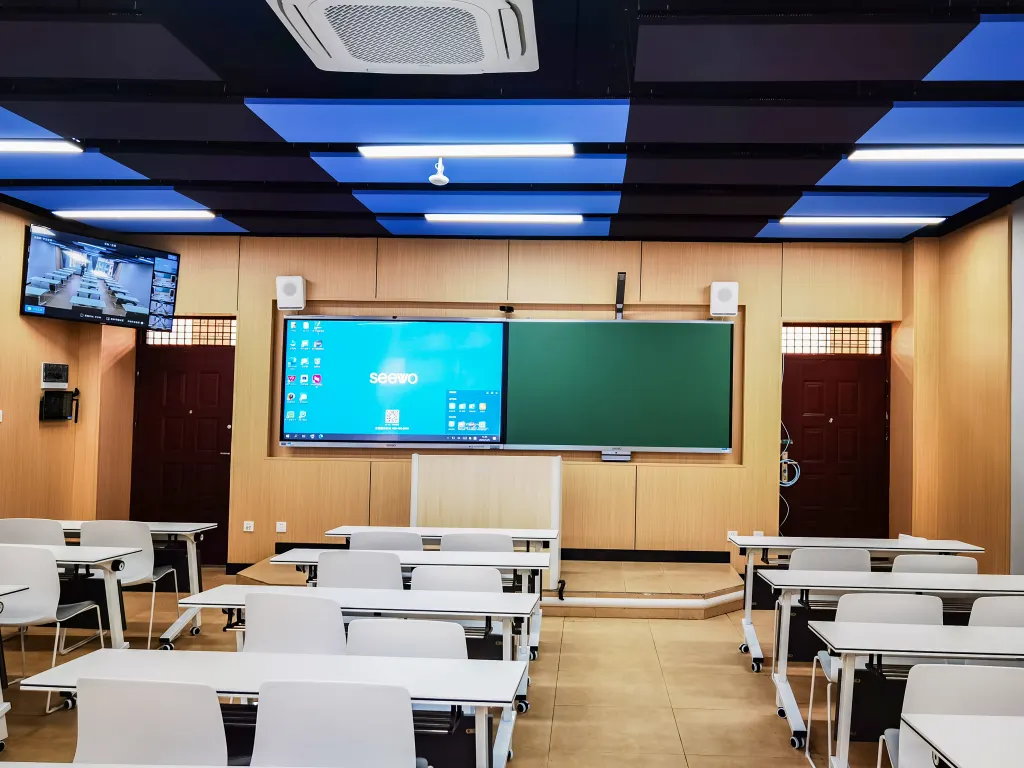
Choose treatments according to how noise reaches the classroom and how sound behaves inside it. Absorptive ceilings and wall treatments can reduce excessive reflected sound. Door and partition improvements may help when sound enters from an adjacent space. Mechanical noise needs attention at the equipment or air-distribution system. Soft finishes alone will not correct gaps, flanking paths or a noisy ventilation unit.
ASHA’s guidance on classroom acoustic modifications emphasizes addressing background noise: excessive noise can continue to interfere with learning even when reverberation is controlled. Adding soft finishes alone will not resolve a noisy ventilation unit or gaps that allow sound to enter.
For reverberation control, New Zealand’s 2024 amendment to its school acoustics guidance identifies the ceiling as the main area for absorption treatment and calls for wall treatment to limit reflections between parallel walls. This illustrates why the placement of absorptive materials matters alongside their acoustic properties.
Specific requirements should be checked against the guidance applicable to the project location.
Protect teaching and support activities
Layout and operating practices also matter. Keep noisy equipment away from teaching areas, use soft pads on chair and table legs, close doors where appropriate, and provide separate locations for small-group work or calls.
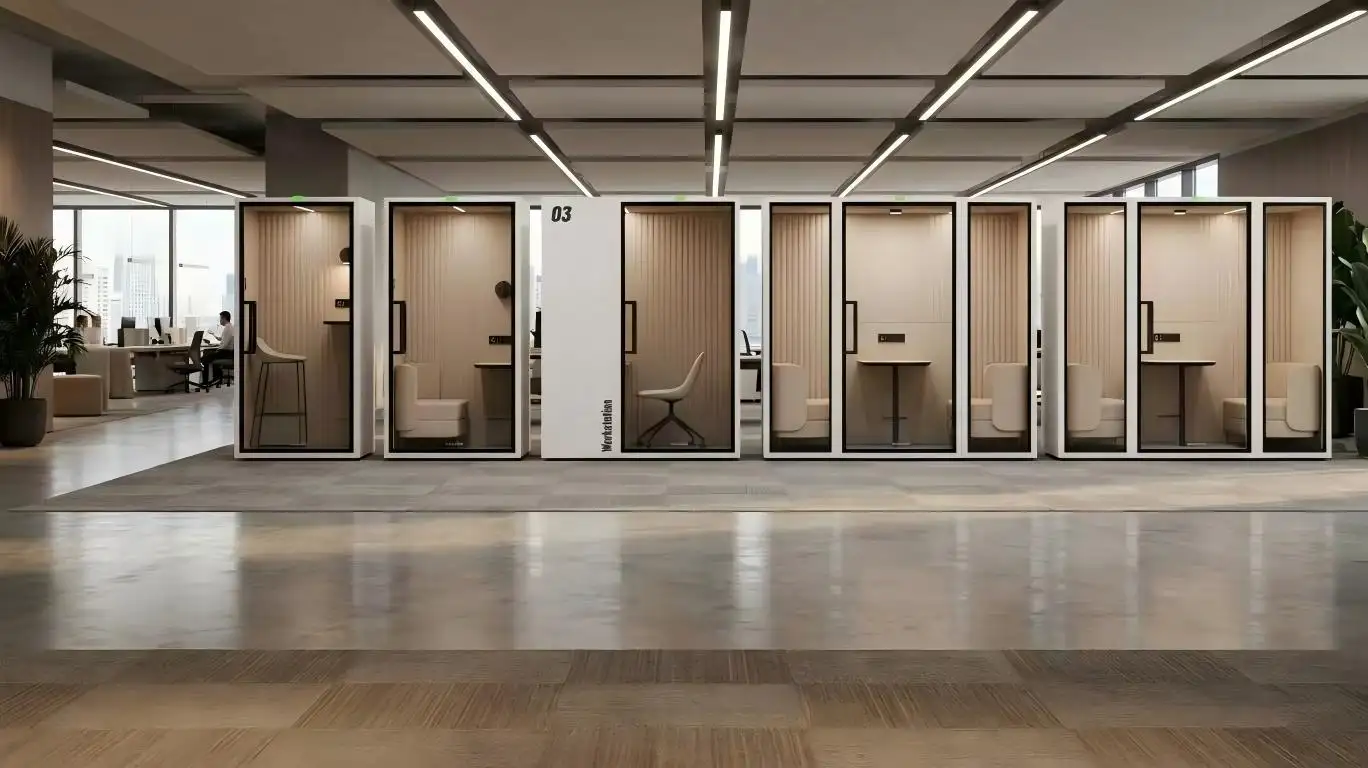
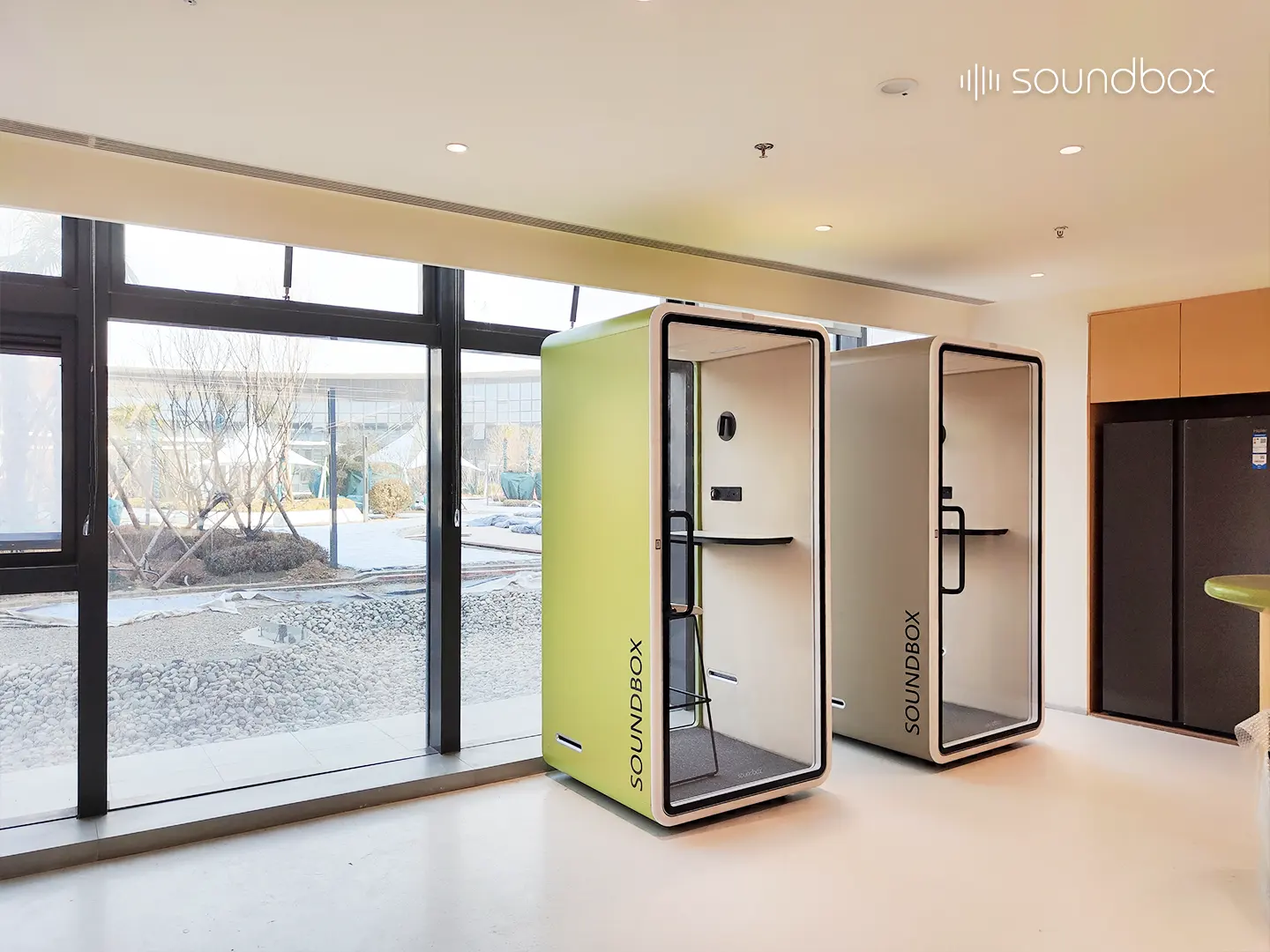
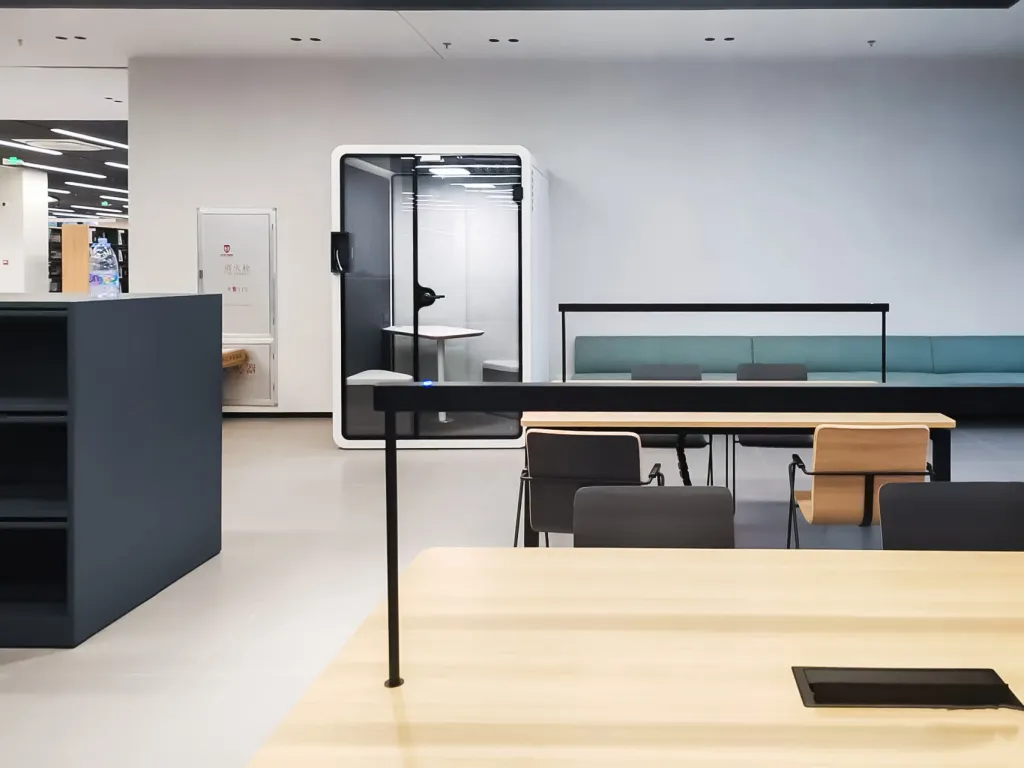
Enclosed pods may support staff calls and administrative work. Their suitability should be reviewed with the school and project team, including accessibility, supervision, ventilation, fire safety, and escape routes. Pod planning should form part of a broader assessment of the classroom’s acoustic needs.
Verify the result
After changes, repeat observations under comparable conditions and ask teachers and students whether speech is easier to follow. For measured projects, repeat the relevant acoustic tests and compare the results with the agreed design criteria and applicable local requirements.
Discuss your school’s acoustic needs with Soundbox
Share your floor plan, intended activities, and any available acoustic assessment with Soundbox to discuss product options, including sound-absorbing wall panels and enclosed pods for staff calls and administrative work. Product selection should reflect the project’s acoustic targets and site requirements.
Contact the Soundbox team to discuss your project.
Sources reviewed September 2026. Referenced guidance and standards apply within their respective jurisdictions. Please confirm specific acoustic code requirements for your project location.