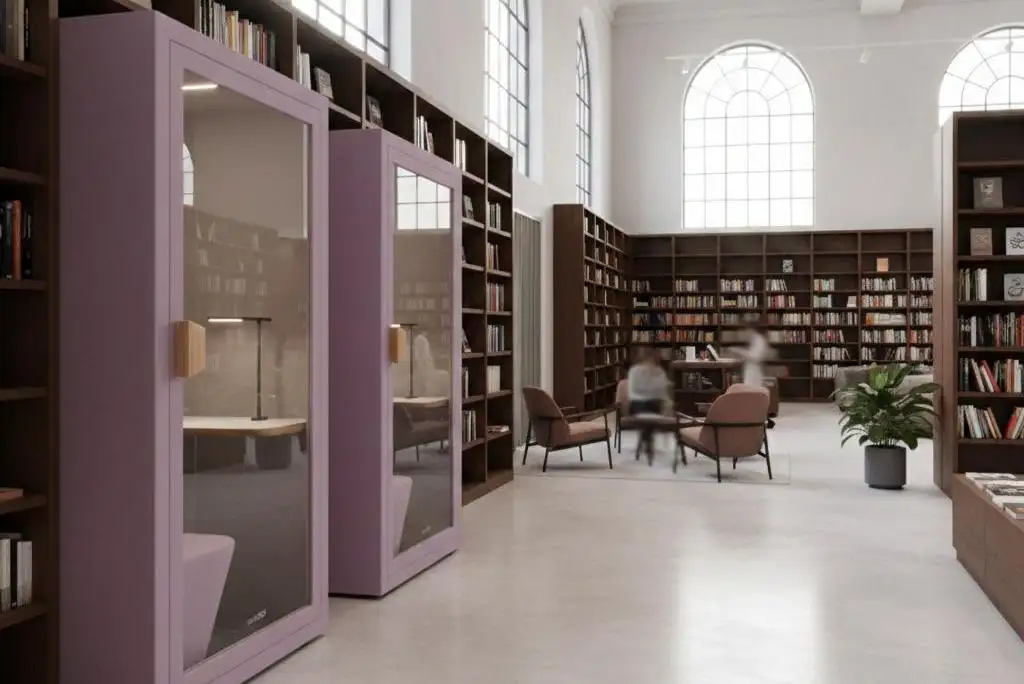
„Akustikplatte“ und „Schallschutzplatte“ werden häufig so verwendet, als ob sie dasselbe bedeuten. In der Praxis sind die meisten wand- und deckenmontierten Akustikpaneele in erster Linie darauf ausgelegt, im Raum reflektierte Schallwellen zu dämpfen. Sie dämmen einen Raum in der Regel nicht von selbst schallisolierend.
Schallschutz bezeichnet in der Regel Maßnahmen, die darauf abzielen, die Schallübertragung von einem Raum in einen anderen zu verringern. In technischen Spezifikationen wird dies genauer als Schalldämmung bezeichnet. Keiner der beiden Begriffe ist als Garantie für vollständige Stille zu verstehen.
Die Unterscheidung bestimmt, wie ein Problem am Arbeitsplatz diagnostiziert werden sollte und welche Nachweise angefordert werden sollten. Absorptionspaneele können die akustischen Bedingungen in einem halligen Sitzungssaal verbessern, verhindern jedoch nicht automatisch, dass Gespräche außerhalb des Raums gehört werden. Umgekehrt kann ein Raum mit hoher Schalldämmung dennoch eine schlechte Raumakustik aufweisen, wenn der Nachhall zu lange anhält.
| Frage | Schallabsorption | Schallisolierung |
|---|---|---|
| Hauptzweck | Reflektierten Schall innerhalb eines Raums kontrollieren | Reduzieren Sie die Schallübertragung zwischen Räumen. |
| Typisches Problem | Echo, lange Nachhallzeit oder undeutliche Sprache | Gespräche oder Geräusche, die in einem angrenzenden Bereich zu hören sind |
| Häufige Lösungen | Wandpaneele, Deckenwolken, Baffeln und schallabsorbierende Oberflächen | Ganze Wände, Türen, Verglasungen, Böden, Decken und abgeschlossene Kabinen |
| Wichtige Beweise | Absorptionsdaten, Dicke, Montage und Frequenzverhalten | Prüfdaten auf Baugruppenebene, Anschlüsse, Dichtungen und Durchführungen |
| Häufiger Fehler | Angenommen, eine Schallabsorptionsplatte blockiert die Schallübertragung. | Das Mauerwerk beurteilen und dabei Türen, Lüftungsanlagen oder flankierende Wege außer Acht lassen. |
Einige Produkte tragen im Rahmen einer größeren Baugruppe sowohl zur Raumabsorption als auch zum Schallschutz bei. Allerdings sollten die beiden Funktionen dennoch separat bewertet werden.
Wenn die Absorption hilft
Die Schallabsorption ist relevant, wenn sich Schall wiederholt an harten Oberflächen reflektiert. wie Verglasungen, Beton, Gipskarton, Metall und unverkleidete Decken. Diese Reflexionen können die Nachhallzeit in einem Raum verlängern und das Verstehen sich überlappender Sprache erschweren.
Absorbierende Behandlungen können in Betracht gezogen werden bei:
- Offene Arbeitsbereiche mit umfangreichen harten Oberflächen
- Besprechungsräume, in denen die Sprache unklar oder übermäßig hallig klingt.
- Empfang, Café und Pausenbereiche mit mehreren gleichzeitigen Gesprächen
- Kollaborationsräume, in denen sich Schall zwischen Wänden und Decken reflektiert.
- Durchgangsbereiche, die reflektierten Schall in benachbarte Arbeitsbereiche abgeben
Zu den gängigen Ausführungen zählen stoffbezogene Wandpaneele, Deckenfelder, abgehängte Baffeln, akustische Deckenplatten und freistehende Schallschutzwände. Polstermöbel, Teppiche und Vorhänge können ebenfalls zur Schallabsorption beitragen, wobei ihre Leistungsfähigkeit und ihr Frequenzbereich von geprüften Akustikprodukten abweichen.

Materialien und Oberflächen
Absorptionsprodukte können Glasfaser, Mineralwolle, Polyesterfasern, Melaminschaum oder andere poröse Materialien verwenden. Bei einigen Produkten wird ein Saugkern hinter Stoff, Lattenrost oder mikroperforiertem Holz oder Metall angebracht.
Der Materialname allein ist kein Indikator für die akustische Leistung. Dicke, Dichte, Oberflächenbehandlung, der Luftspalt hinter der Platte sowie die Montagemethode können alle das Ergebnis beeinflussen. Dekorative Beschichtungen und Oberflächen müssen in der geprüften Produktkonfiguration berücksichtigt werden.
Platzierung und Abdeckung
Die Anordnung der Paneele sollte sich an den Raum anpassen und nicht einer universellen Regel folgen. Wandpaneele können dort hilfreich sein, wo Schall zwischen parallelen Flächen reflektiert wird. Deckenbehandlungen können dort sinnvoller sein, wo Wände verglast sind, durch Stauraum eingenommen werden oder für eine Behandlung nicht zur Verfügung stehen.
Auch die Behandlungsmenge spielt eine Rolle. Eine geringe Anzahl dekorativer Paneele bietet möglicherweise nicht genügend Schallabsorption, um den Raum spürbar zu verändern. Der erforderliche Schallschutz hängt vom Raumvolumen, den vorhandenen Oberflächen, der Belegung, der Nutzung sowie dem angestrebten akustischen Zustand ab.
Wo die Akustik entscheidend ist, sollten Sie die Nachhallzeit des Raums vor und nach der Behandlung überprüfen. ISO 3382-2 beschreibt Methoden zur Messung der Nachhallzeit in gewöhnlichen Räumen.
Produktnachweis
Bei saugfähigen Produkten sollten frequenzabhängige Prüfergebnisse angefordert werden, anstatt sich allein auf Beschreibungen wie „hohe Leistung“ zu verlassen.
ISO 354:2003 Es wird ein Raumhallverfahren zur Messung der Schallabsorption von Materialien festgelegt, die als Wand- oder Deckenbehandlungen eingesetzt werden. ISO 11654:1997 bietet ein Verfahren zur Bewertung von Schallabsorbern, die in Gebäuden eingesetzt werden.
Prüfen Sie, ob im Prüfbericht Folgendes angegeben ist:
- Das genaue Produkt und Material
- Produktabmessungen und -dicke
- Die getestete Montagebedingung und der Luftspalt
- Der Probenbereich
- Die Prüfmethode und die Quelle des Berichts
- Ergebnisse der Frequenzbänder und ggf. die entsprechende Einzahlenbewertung
Ergebnisse, die für eine bestimmte Dicke oder Montagekonfiguration erzielt wurden, sollten nicht ohne Weiteres auf eine andere Konfiguration übertragen werden. Die Absorptionsdaten geben Aufschluss darüber, wie das Produkt reflektierte Schallwellen beeinflusst; sie belegen jedoch nicht, dass Sprache außerhalb des behandelten Raums unhörbar ist.
Wenn Isolation erforderlich ist
Schallschutz ist erforderlich, wenn Schall von einem Ausgangsraum in einen Empfangsraum übertragen wird. Beispiele sind der Schallübertragung von einem Besprechungsraum zu nahegelegenen Arbeitsplätzen, das Eindringen von Geräuschen in einen ruhigen Bereich oder die Verständlichkeit von Gesprächen innerhalb eines Gehäuses auch außerhalb dieses Gehäuses.
Anders als bei einem eigenständigen Absorptionspaneel hängt die Schallisolierung in der Regel von einer vollständigen Konstruktion oder einer Ummantelung ab. Relevante Elemente können umfassen:
- Wände und Decken
- Böden und Doppelbödenräume
- Türen, Rahmen und Perimetersiegel
- Verglasungen und Verglasungsrahmen
- Lüftungskanäle und Luftübertrittsöffnungen
- Steckdosen, Kabelwege und andere Durchdringungen
- Übergänge zwischen Wänden, Böden, Decken und Fassaden
Masse, mehrschichtige Aufbauten, Hohlräume, konstruktive Trennungen und luftdichte Ausführungen können alle zur Schalldämmung beitragen. Die geeignete Konstruktion hängt von der Schallquelle, dem Frequenzbereich, dem Empfangsraum und dem erforderlichen Ergebnis ab.

Schwache Elemente und flankierende Wege
Ein Gehäuse ist nur so gut wie seine schwächsten Schallwege. Schall kann durch Spalten an Türen und Türzargen, durch Verglasungen, Lüftungsöffnungen, Deckenhohlräume sowie an den Übergängen zu angrenzenden Wänden und Böden hindurchdringen.
Wenn Schall durch diese verbundenen Elemente den Empfangs raum erreicht, anstatt sich direkt durch die Haupt barriere zu bewegen, wird dies als bekanntFlankierende Übertragung.
Das Einbringen von schallabsorbierendem Material kann die Reflexionen im Schallquellenraum verringern, korrigiert jedoch nicht zwangsläufig die Schallübertragung. Überprüfen Sie Dichtungen, Belüftungswege, Durchführungen für Wartungsarbeiten sowie Konstruktionsanschlüsse als Teil der vollständig geprüften Baugruppe.
Räume und Akustikkapseln
Ein Raum- oder Büro-Pod ist als geschlossene Einheit zu bewerten. Seine Wände, Verglasungen, Türen, Dichtungen, Lüftungswege und technischen Durchdringungen wirken zusammen und beeinflussen die Schallübertragung. Innere schallabsorbierende Oberflächen können die Nachhallzeit beeinflussen, stellen jedoch an sich nicht den Schallschutz des Raumes sicher.
Für Büro-Kabinen, ISO 23351-1:2020 bietet ein Laborverfahren zur Vergleichsanalyse der Dämpfung von Sprachsignalen, die von Möbelgruppen und Gehäusen übertragen werden.
Das Laborergebnis unterstützt den Produktvergleich, doch die Wirksamkeit der Sprachschutztechnologie hängt auch von der Position des Pods, dem umgebenden Hintergrundgeräusch und den in der Nähe stattfindenden Aktivitäten ab.
Wie man ein Produkt angibt
Beginnen Sie damit, zu ermitteln, ob sich die Anforderung auf Schallreflexion, Schallübertragung oder auf beides bezieht. Vergleichen Sie nicht einen Absorptionskoeffizienten mit einer Schalldämmklassifizierung für Wände oder Gehäuse: Sie messen unterschiedliche Eigenschaften.
| Spezifikationspunkt | Absorptionsprodukt | Isolierungsbaugruppe oder -gehäuse |
|---|---|---|
| Erforderliches Ergebnis | Reduzieren Sie die Nachhallzeit oder den Schallrückfluss im Raum. | Reduzieren Sie den Schallübertrag zwischen Räumen. |
| Produkt oder Baugruppe | Plattenmaterial, Dicke, Abmessungen und Oberfläche | Ganze Wand, Tür, Verglasung, Podest oder andere Umfriedung |
| Getestete Konfiguration | Montagemethode, Luftspalt und Probengebiet | Schichten, Rahmen, Abdichtungen, Lüftungs- und Versorgungsanlagen-Durchführungen |
| Relevante Beweise | Frequenzbandabsorptionsdaten, die mit einer Methode wie z. B. getestet wurdenISO 354 | Isolationsdaten auf Baugruppenebene oder, bei Büro-Pods, Sprachpegelreduktion, getestet unterISO 23351-1 |
| Installationsinformationen | Standort, Abdeckung, Abstand und Befestigungsmethode | Verbindungen, Dichtungen, Türverstellung, Luftwege und Durchdringungen |
| Projektbedingungen | Raumvolumen, vorhandene Oberflächen, Nutzung und Soll-Nachhallzeit | Quellpegel, Empfangsraum, Hintergrundgeräusch und erforderlicher Privatsphäre-Ertrag |
Für die Absorption bitten Sie um ein vollständiges Prüfprotokoll oder ein technisches Datenblatt, in dem das Ursprungsprüfprotokoll angegeben ist. Stellen Sie sicher, dass das geprüfte Material, die Dicke und die Montagebedingungen mit dem vorgeschlagenen Produkt und der vorgesehenen Installation übereinstimmen.
Für die Isolierung fordern Sie Nachweise für die vollständige Baugruppe an. Ein Ergebnis für ein einzelnes Material lässt keine Rückschlüsse auf die Leistung einer fertigen Wand, Tür oder eines Fertigbauelements zu. Bestätigen Sie, dass der Bericht die relevanten Verglasungen, Türen, Dichtungen, Lüftungsanlagen und Durchdringungen abdeckt.
Soweit im Rahmen des Projekts erforderlich, sind die Brandverhaltens-, Materialemissions‑, Tragwerks- und Reinigungsanforderungen gesondert zu prüfen. Diese Faktoren beeinflussen die Eignung des Produkts, ersetzen jedoch keine akustischen Nachweise.
Begriffe wie „schallisolierend“ oder „akustisch“ sind keine Leistungskennwerte. Notieren Sie die Prüfmethode, das Messergebnis, die getestete Konfiguration sowie die Quelle des Berichts, damit Produkte auf einer einheitlichen Grundlage verglichen werden können.
Eine praktische Bewertung
Eine praktische Beurteilung beginnt mit vier Elementen: die Quelle, der Empfänger, der Übertragungsweg und die betroffene Tätigkeit.
| Element | Fragen, die man stellen sollte |
|---|---|
| Quelle | Entsteht das Geräusch durch Sprache, Büroausstattung, Musik, Haustechnik, Schritte oder eine andere Quelle? |
| Empfänger | Wer ist betroffen, und in welchem Raum oder Arbeitsumfeld? |
| Pfad | Reflektiert sich der Schall innerhalb eines Raums, tritt er durch eine Trennwand hindurch oder gelangt er auf anderem Wege in den Raum? |
| Aktivität | Benötigt der Raum eine klarere Sprachverständlichkeit, weniger Reflexionen, geringere Ablenkung oder ein definiertes Maß an Privatsphäre? |
Beobachten Sie, wann und wo das Problem auftritt. Erfassen Sie die stattfindenden Aktivitäten, die relevanten Oberflächenbeschichtungen der Räume, die Zustände von Türen und der Lüftung sowie ob sich das Problem je nach Belegung oder Tageszeit verändert. Mitarbeiterfeedback kann wiederkehrende Muster aufzeigen, doch sind Messungen erforderlich, wenn das Projekt ein festgelegtes akustisches Ziel hat.
Verwenden Sie die Diagnose, um die Reaktion auszuwählen. Übermäßige Reflexion kann Anpassungen hinsichtlich Art, Menge und Anordnung der schallabsorbierenden Maßnahmen erforderlich machen. Die Schallübertragung erfordert die Bewertung des gesamten Gehäuses, einschließlich Türen, Dichtungen, Lüftungswege, Durchbrüche und möglicher seitlicher Übertragungswege.
Wenn die dominierende Schallquelle oder Ausbreitungswege weiterhin unklar sind, lassen Sie vor der Produktauswahl eine fachgerechte Schallgutachtung erstellen.
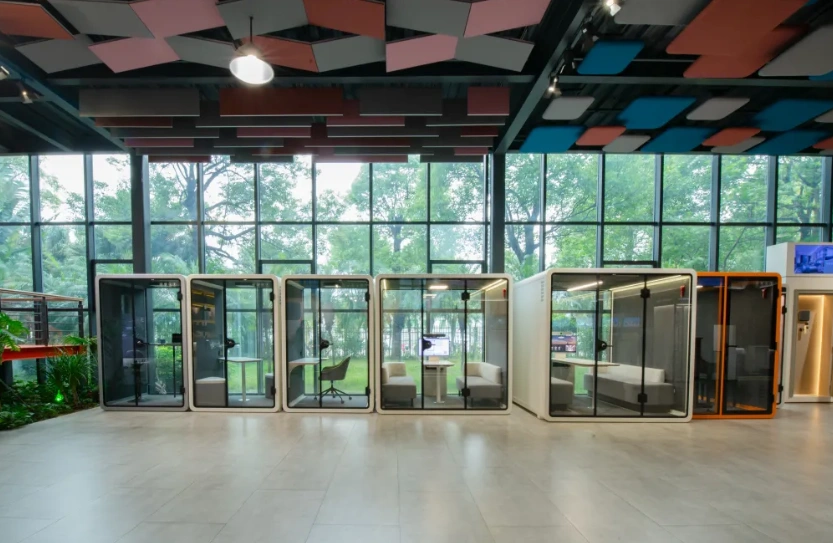
Nach der Installation tritt das ursprüngliche Problem erneut auf. Führen Sie gegebenenfalls die entsprechenden Messungen erneut durch und erkundigen Sie sich, ob sich die betroffene Tätigkeit verbessert hat. Wenn die Leistung nicht den Anforderungen entspricht, prüfen Sie zunächst die Abdeckung der Prüfplatten und die Montage bzw. die Dichtungen des Gehäuses, die Türen, die Durchführungen sowie die seitlichen Schallübertragungswege, bevor Sie zusätzliche Produkte einsetzen.
Für ein Soundbox Im Rahmen des Projekts trägt die Diagnose dazu bei, die geeignete Produktkategorie zu bestimmen. Akustikpaneele können für die Schallreflexion innerhalb eines Raums in Betracht gezogen werden, während ein Akustikpod dann in Frage kommt, wenn eine zusätzliche abgeschlossene Umgebung erforderlich ist.
Teilen Sie die Schallquelle, den betroffenen Bereich, die beabsichtigte Tätigkeit und den Grundriss mit dem Soundbox Team um relevante Produkt- und Prüfdokumentationen zu beantragen.