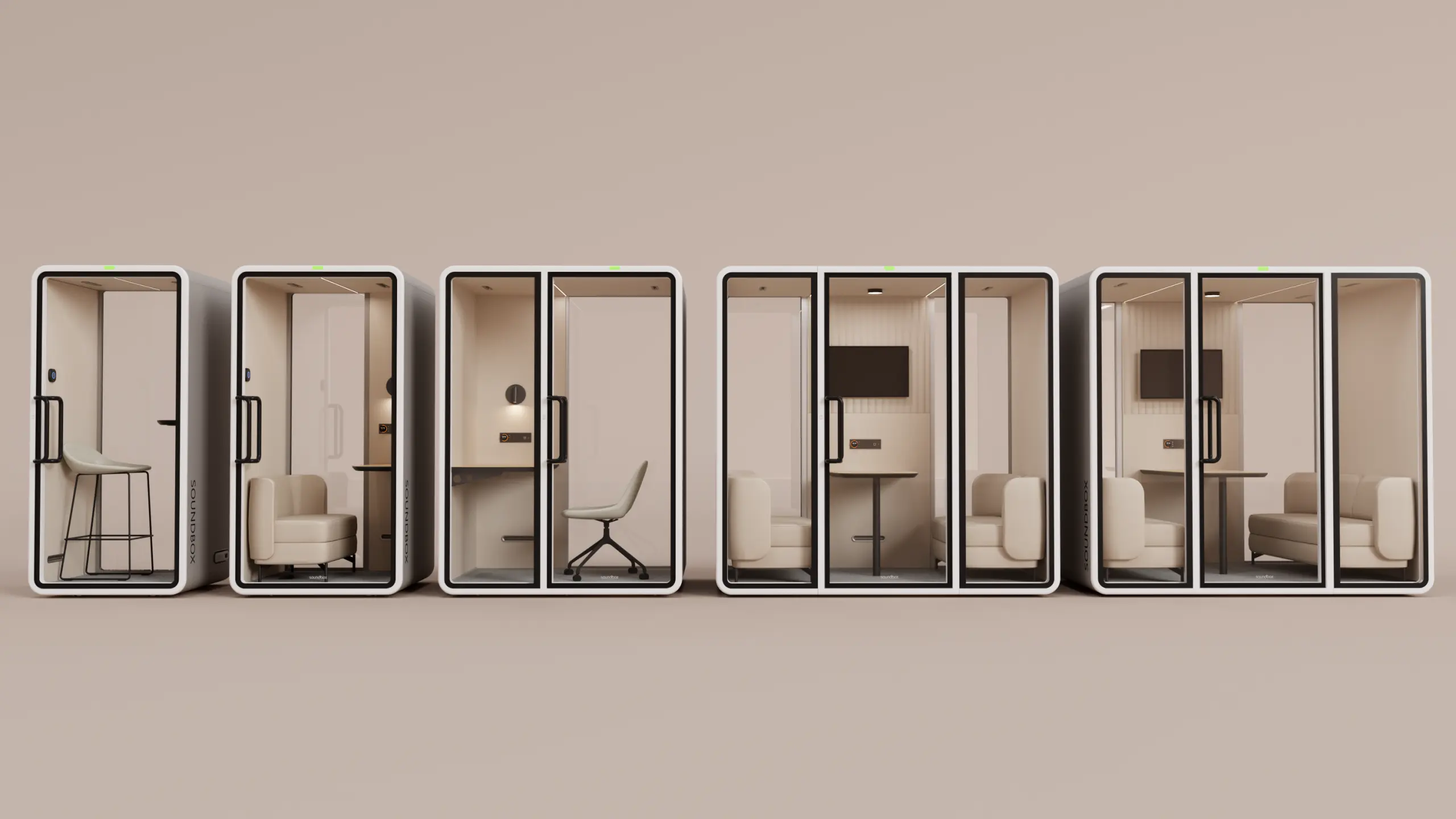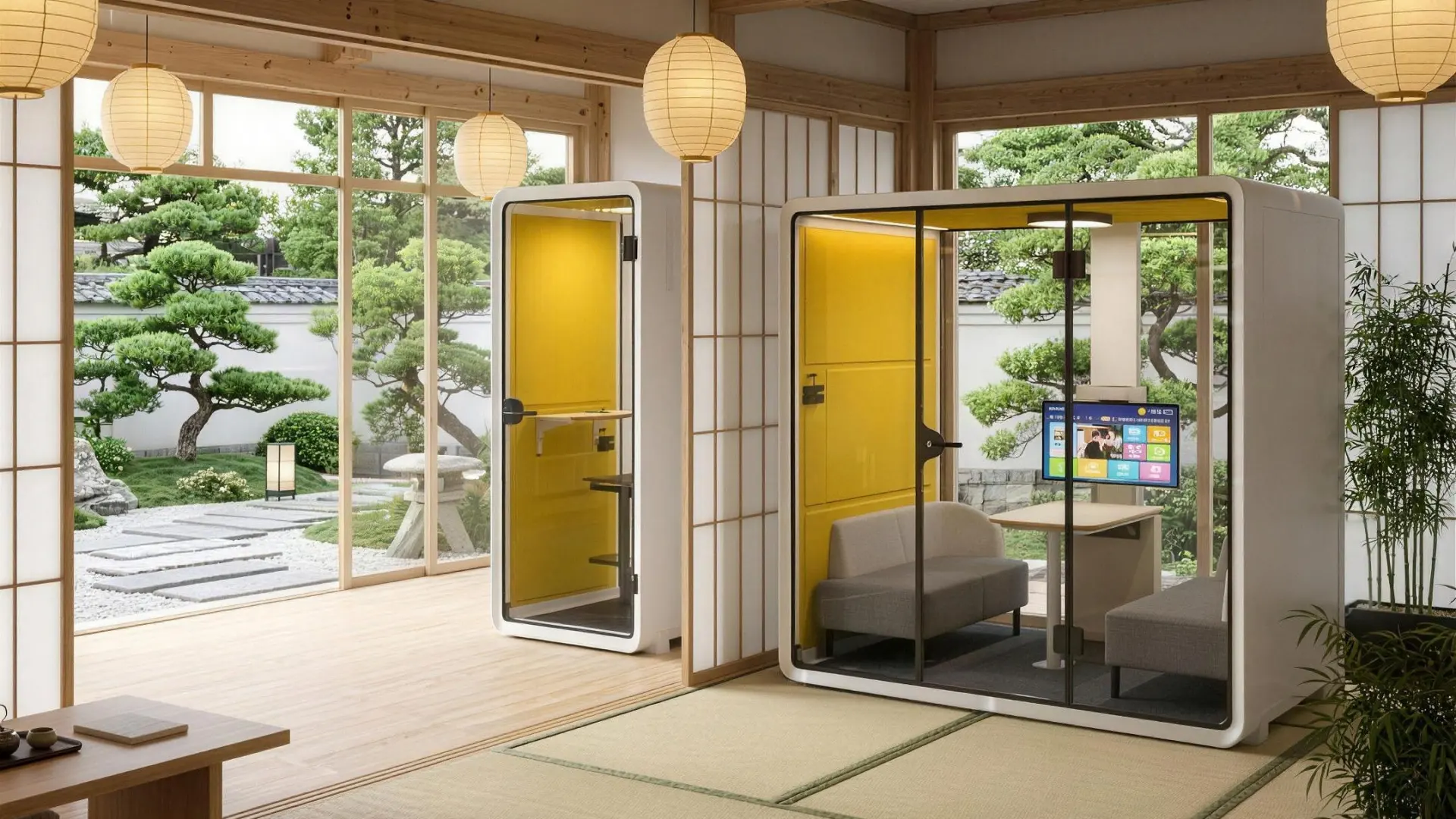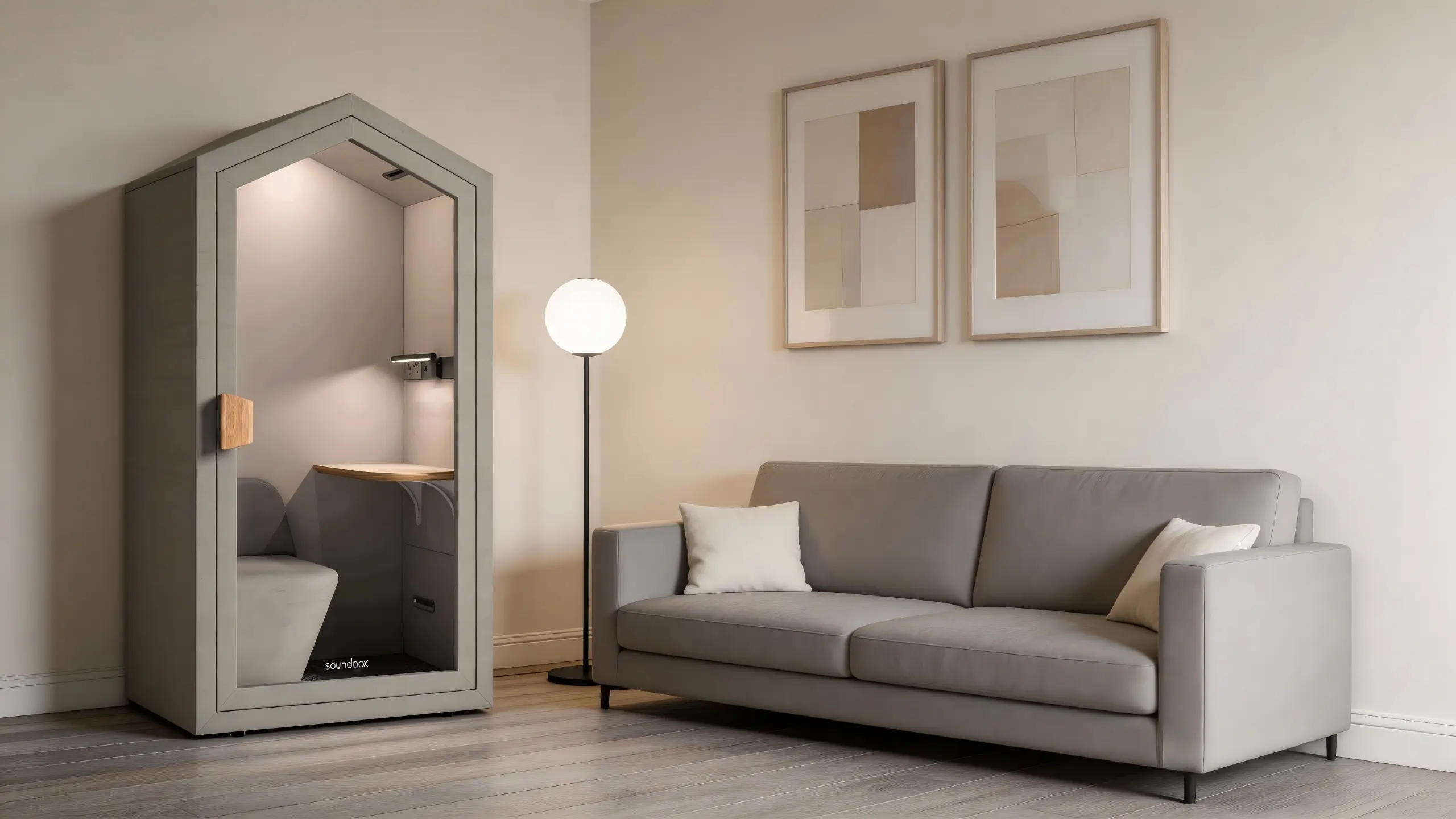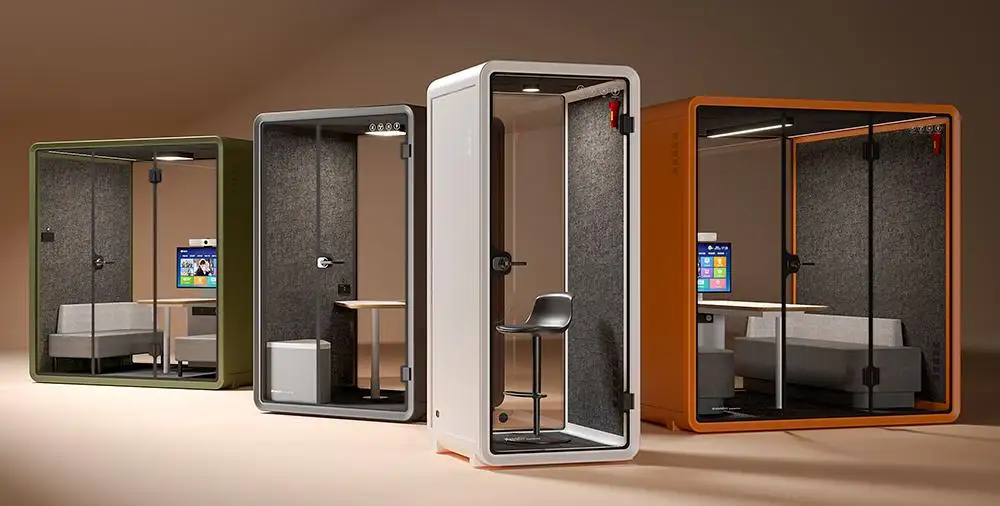
An office pod can add an enclosed place for calls, focused work or small meetings without building a permanent room. The right choice depends on the activity, the site and the evidence supplied for the specific model.
1. Define the activity
Start with the work the pod must support. A short phone call, an hour of concentrated work and a four-person meeting have different needs. Write down the expected number of users, typical session length, equipment and level of privacy required.
After defining the brief, review the current office pod range by intended use and capacity.
2. Check the available space
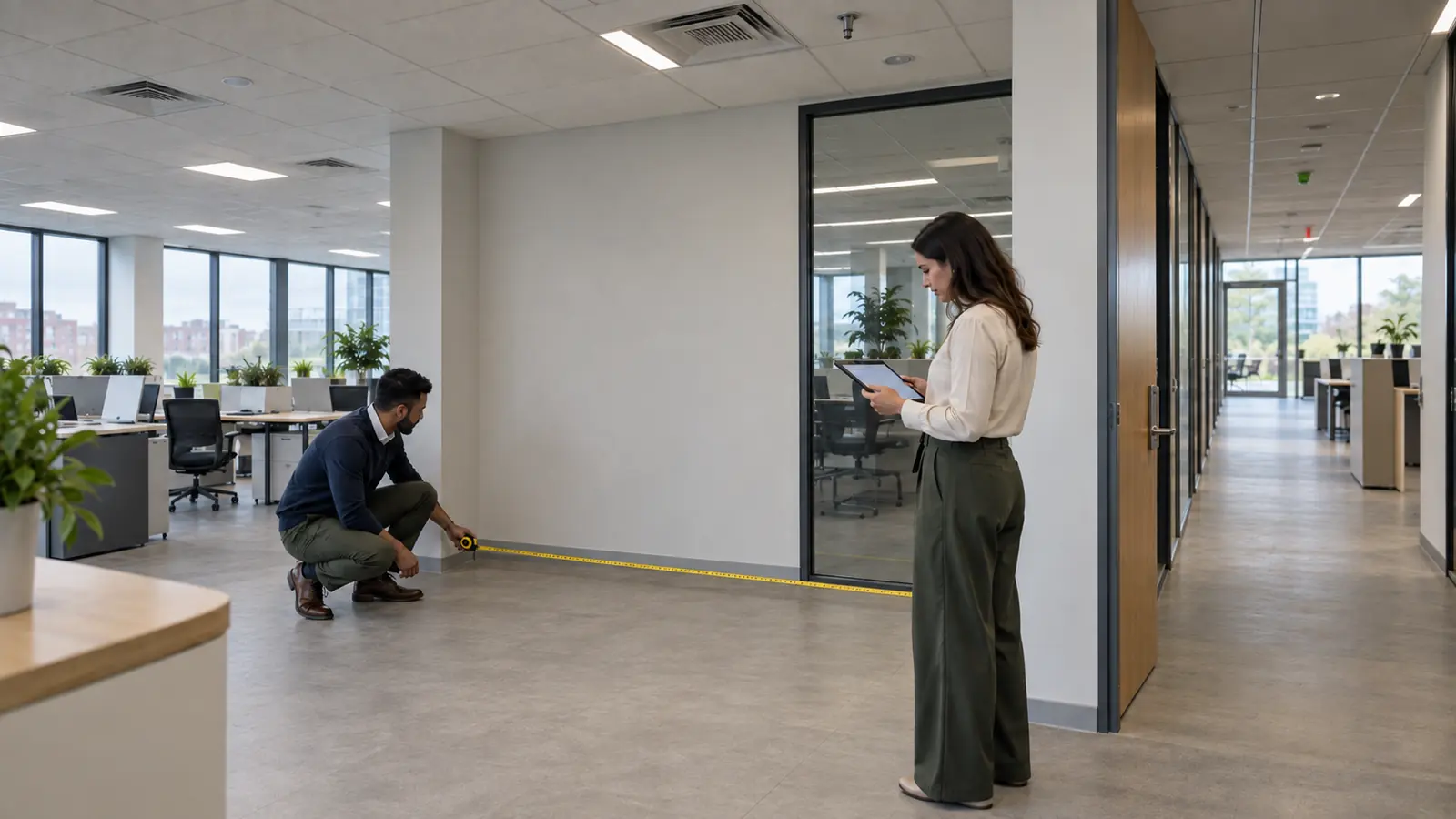
Measure the footprint and ceiling height, then check doorways, lifts, corridors and turning space along the delivery route. Keep building circulation, emergency egress, sprinklers and service access clear. Local requirements should be reviewed by the responsible project professional.
3. Ask for model-specific acoustic evidence
Do not compare isolated decibel claims. Ask which model and configuration were tested, which standard or method was used, what the result means and whether the full report is available. Sound reduction through the enclosure and sound absorption within the room are different characteristics.
For help interpreting test methods and results, read How to Read Office Pod Acoustic Ratings.
4. Review ventilation and comfort
Ask how air enters and leaves the pod, how controls work, what happens when the pod is occupied for longer sessions and what maintenance is required. Lighting, work surface dimensions, seating and user controls should match the intended activity.
5. Confirm power and connectivity
List the devices users will connect. Check socket type, power input, cable route, data requirements and any work that must be completed by a licensed contractor.
6. Check accessibility and project compliance
Door clearance, thresholds, controls and internal turning space affect who can use the pod. Fire, electrical, accessibility and building requirements vary by project and location. Obtain the relevant documentation and have the project team confirm applicability.
7. Plan delivery and installation
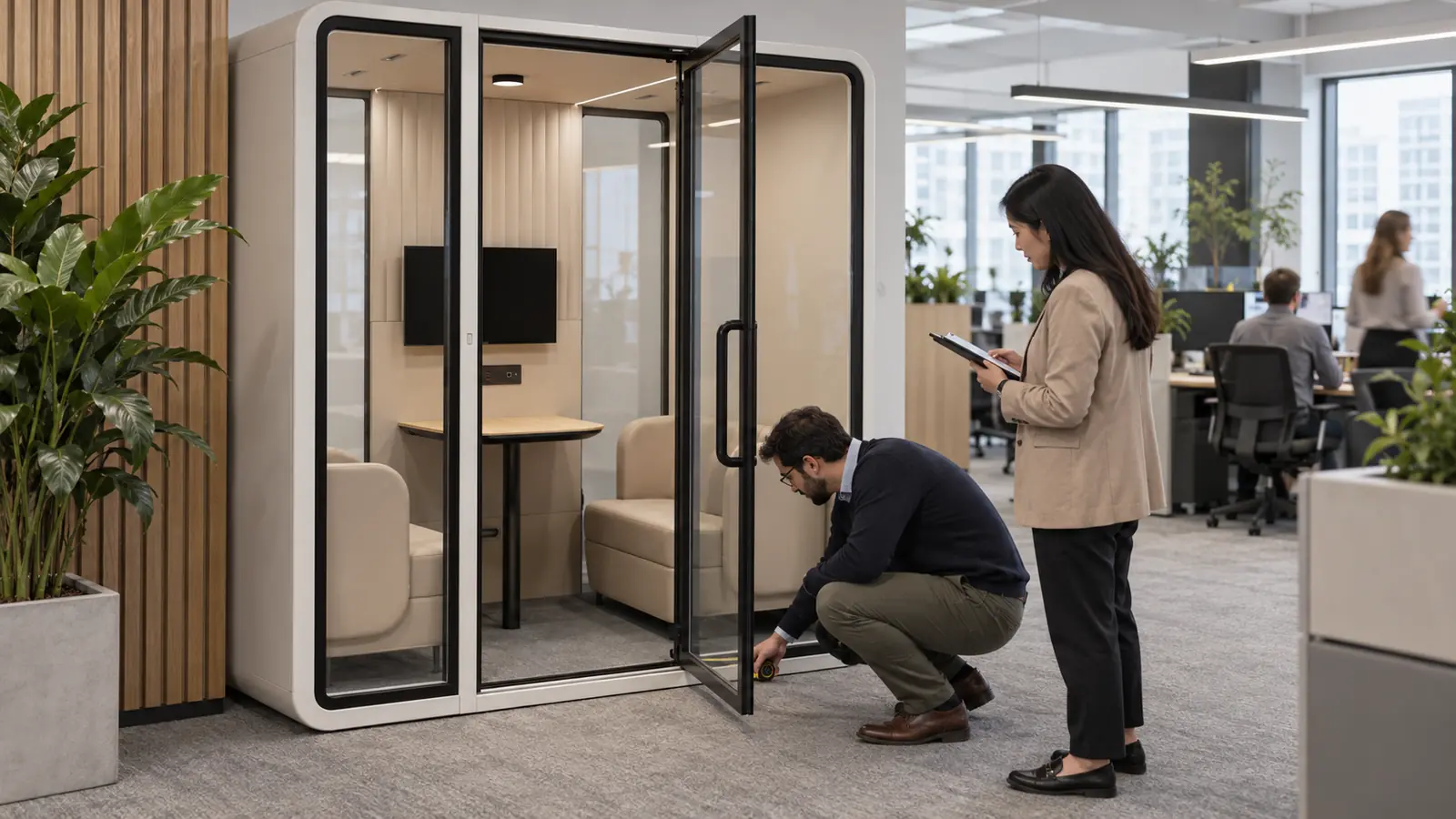
Request packaged dimensions, component weights, installer requirements, assembly clearance and lead time. Confirm who receives the shipment, protects the route, assembles the pod, connects services and signs off the installation.
Questions to send a supplier
- Which model suits the intended activity and capacity?
- What are the external and internal dimensions?
- What acoustic test report applies to this exact configuration?
- How are ventilation, lighting and power controlled?
- Which compliance documents are available for the destination market?
- What access, assembly and maintenance clearances are required?
- What is included in the quotation and warranty?
Send Soundbox a floor plan, site location, intended use and required capacity to request model-specific information.