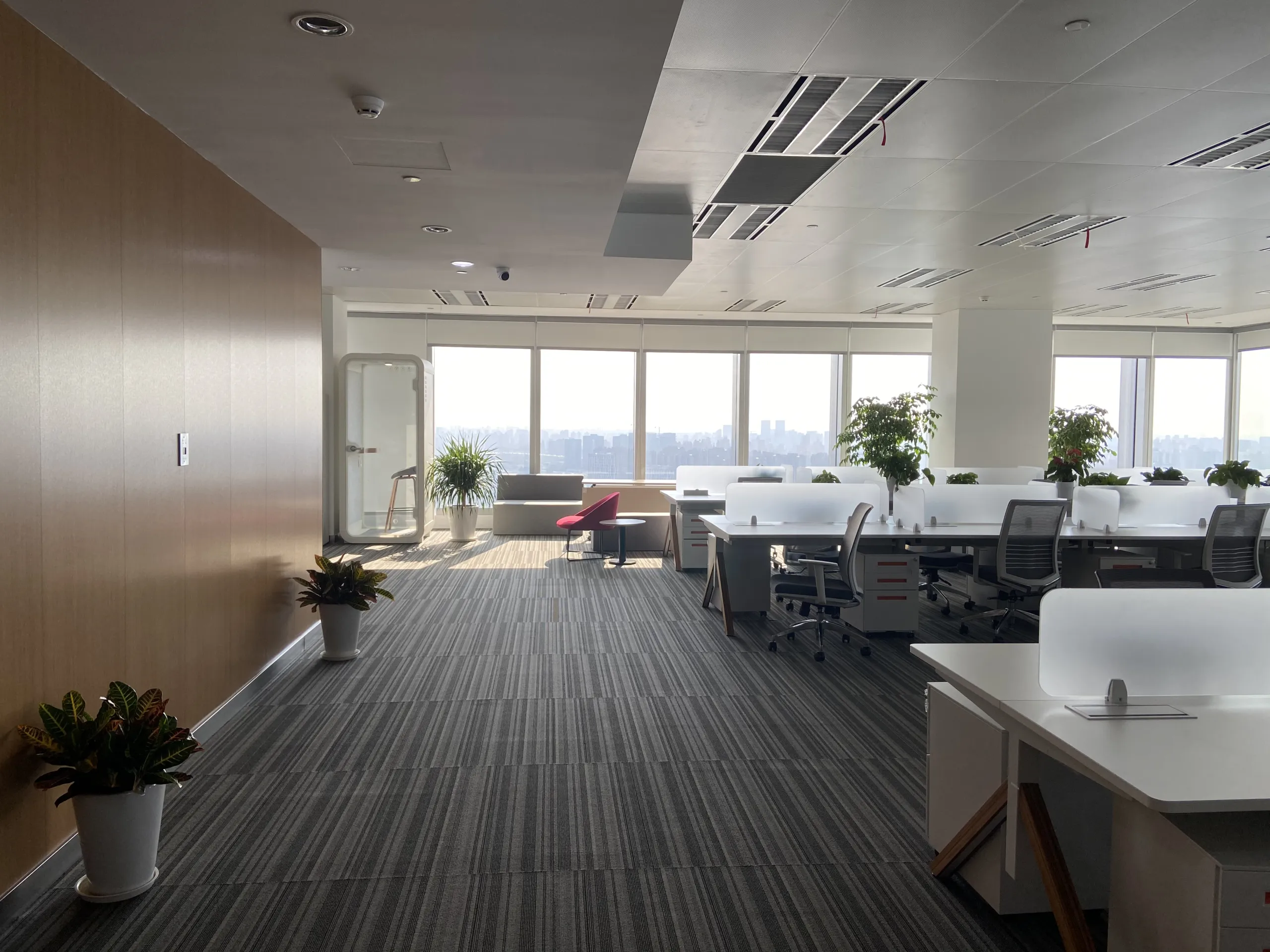
Sound masking introduces a controlled background signal to reduce how far speech remains intelligible. A professionally designed sound masking system differs from a consumer white-noise machine on a desk.
Define the objective
Identify the areas and types of conversations involved. Masking may support speech privacy in some open-plan settings, but it does not block sound and should not be used to cover equipment faults or hazardous noise.
Choose the appropriate system
A portable white-noise machine produces local sound from one device. A designed masking system delivers a controlled background sound across defined zones and requires appropriate.
Assess the space
Review ceiling type, partitions, layout, existing background sound and adjacent rooms. Speech passing through doors, gaps or poorly isolated constructions may need enclosure work. Excessive reverberation may need absorption.
Design zones and controls
The system should suit the layout and allow appropriate zoning. The masking sound’s level and frequency spectrum should be adjusted and verified during commissioning. Abrupt variations between areas may make the masking sound noticeable or uncomfortable.
Commission and manage change
Document the system settings, measurement positions and acceptance criteria. Explain the system to employees before introducing it and make adjustments through a controlled process. Recommission it after major changes to the layout or ceiling.
Compare with other controls
Sound masking should be considered alongside source reduction, workplace layout, enclosed rooms or pods, sound absorption and sound isolation. These measures address different acoustic problems and may need to be used together.
Confidential activities may still require an enclosed space with acoustic performance supported by relevant test results. Sound masking should not be presented as a guarantee of confidentiality.
Supplier comparison checklist
Compare suppliers’ site survey method, zoning design, equipment coverage, commissioning procedure, measurement record, controls, warranty, maintenance and recommissioning support. Ask each supplier to respond to the same floor plan and acceptance criteria. A product list without a designed layout does not establish which system is suitable.