Desk Dividers for Office

Noise reduction method

7 जनवरी 2026

Desk Dividers for Office

Desk Dividers for Office: The Ultimate Guide for Workplace and Facilities Managers

Understanding Desk Dividers for Office

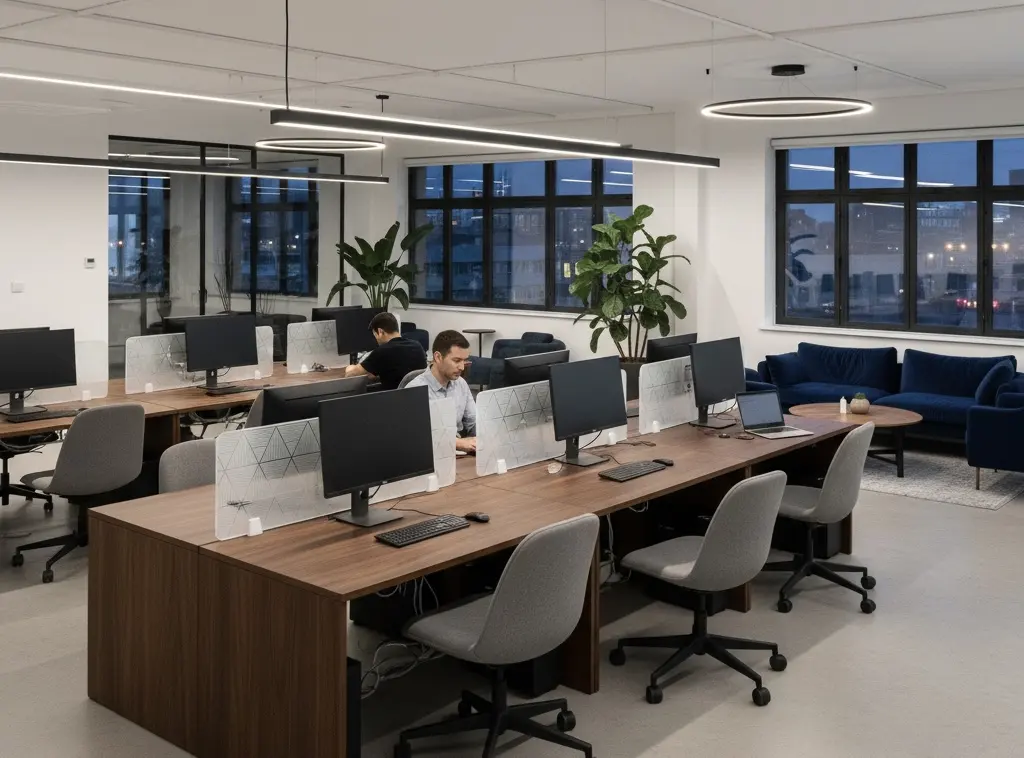
Desk dividers for office environments have become an essential component in modern workspace design, playing a pivotal role in balancing collaboration and privacy. At their core, desk dividers are physical partitions placed between individual workstations to create personal boundaries without isolating employees entirely. They foster a sense of personal space, reduce visual distractions, and can help minimize the spread of germs-particularly relevant in post-pandemic workplace settings.

There are several types of desk dividers, each tailored to specific office needs and aesthetic considerations. The most basic models are simple acrylic or glass panels, which provide a clear barrier without obstructing natural light or sightlines. Fabric-covered panels introduce a layer of softness, often adding to the office’s acoustics by absorbing ambient noise. More advanced dividers incorporate acoustic soundproof panels specifically designed to reduce sound transmission and improve concentration for employees in open-plan offices.

Materials commonly used for desk dividers include tempered glass, acrylic, wood, metal frames, and various fabric finishes. The choice of material often depends on the desired blend of privacy, style, acoustics, and maintenance requirements. For example, glass or acrylic options are easy to clean and maintain, making them ideal for high-traffic or health-conscious environments. Conversely, fabric-covered panels and soundproof dividers are favored for their noise-dampening qualities.

Importantly, desk dividers do not merely serve functional purposes-they also contribute significantly to office aesthetics and culture. Customizable options allow businesses to align desk dividers with corporate branding or workspace themes, creating a more personalized and motivating work environment.

For workplace and facilities managers, understanding these foundational elements is critical to selecting the right desk dividers that enhance both employee wellbeing and office productivity. This understanding sets the stage to explore how these dividers specifically contribute to increased office privacy and efficiency.

Advantages of Office Privacy

Integrating desk dividers for office spaces profoundly enhances office privacy, which positively impacts employee focus, satisfaction, and overall efficiency. In today’s open-plan work environments, distractions from visual interruptions and ambient noise are significant productivity detractors. Desk dividers act as effective barriers that help mitigate these distractions by clearly delineating personal work zones, allowing employees to concentrate better without feeling secluded.

One of the primary advantages of office privacy is the reduction of interruptions that stem from nearby conversations or movements, leading to better cognitive performance. Studies by the Harvard Business Review indicate that employees in open offices without physical barriers experience a 15% higher rate of distraction compared to those working with proper partitions. By establishing visual and physical boundaries, desk dividers significantly lower these disruptions.

Moreover, the psychological benefits of enhanced privacy cannot be overstated. Workers who perceive having control over their workspace are generally more satisfied and motivated. According to a survey conducted by Steelcase, 80% of employees expressed that privacy tools, including desk dividers, contributed to a better sense of well-being at work. This enhanced satisfaction correlates closely with increased engagement and creativity.

Desk dividers also play a vital role in safeguarding confidential information, protecting sensitive conversations, and helping maintain professionalism in shared spaces. This is especially relevant in industries that handle private data or require discreet communications.

Customizable desk dividers complement privacy with ergonomics and style, ensuring that privacy solutions do not compromise the openness of collaborative areas but instead facilitate a balanced environment. Workplace managers in metropolitan areas like New York and London have reported notable improvements in employee mood and output after implementing high-quality desk dividers, demonstrating the tangible value these partitions bring to dynamic office ecosystems.

For organizations aiming to foster a productive culture without sacrificing openness, desk dividers serve as an indispensable asset that elevates office privacy, reduces distractions, and creates a more satisfying work experience. With these benefits in mind, exploring the acoustic qualities of soundproof panels reveals further enhancements that complement privacy solutions.

Acoustic Benefits of Soundproof Panels

Acoustic soundproof panels are a critical advancement in the quest to create offices that encourage concentration and minimize noise pollution. While desk dividers for office areas primarily offer visual privacy and basic sound diffusion, integrating acoustic soundproof panels elevates the workspace by actively absorbing and reducing unwanted ambient noise.

Open-plan offices are notorious for their challenging acoustic environments. Conversations, phone calls, office equipment, and foot traffic can combine into a distracting cacophony. Acoustic soundproof panels address these challenges by incorporating specialized materials designed to capture and dampen sound waves. Commonly used materials include dense fiberglass, mineral wool, and high-density foam, all engineered to absorb sound across a broad frequency range. These panels are typically covered with fabric or perforated surfaces that enhance their capacity to reduce reverberation and echo.

One of the key technologies behind acoustic panels is the principle of sound absorption, which converts sound energy into heat within the porous materials, effectively silencing noise. This contrasts with traditional hard surfaces, which reflect sound and amplify distractions. By installing acoustic panels either as part of desk dividers or on adjacent walls, employers create quieter micro-environments within larger spaces.

https://oss.soundbox-pod.com/markdown/recording-studio-acoustic-panel_1767776913329.jpg

Beyond simply quieting the environment, acoustic soundproof panels contribute to improved speech privacy, reducing the risk of overheard confidential information-a concern particularly relevant in sectors like finance, law, or healthcare. Additionally, research from the Journal of the Acoustical Society of America shows that reducing ambient noise by even a few decibels can dramatically improve workers’ ability to focus and reduces stress levels.

Innovative desk dividers now often feature integrated acoustic soundproofing elements, blending functionality with design. For example, panels can come with multi-layer constructions combining a sturdy frame, sound-absorptive core, and customizable fabric finishes. Some manufacturers offer modular systems where acoustic panels can be repositioned, facilitating dynamic office layouts that adapt to changing noise profiles.

In cities such as San Francisco and Toronto, where tech companies spearhead modern office innovations, incorporating acoustic soundproof panels into desk dividers has become standard practice, reflecting the demand for highly productive yet open work environments.

By combining desk dividers with acoustic soundproof panels, workplaces can achieve a harmony of privacy, aesthetics, and superior sound control. This synergy not only supports employee well-being but also equips facilities managers with flexible solutions for evolving office needs. Following this, we will examine office pods as another effective privacy solution that complements these strategies.

Exploring Office Pods

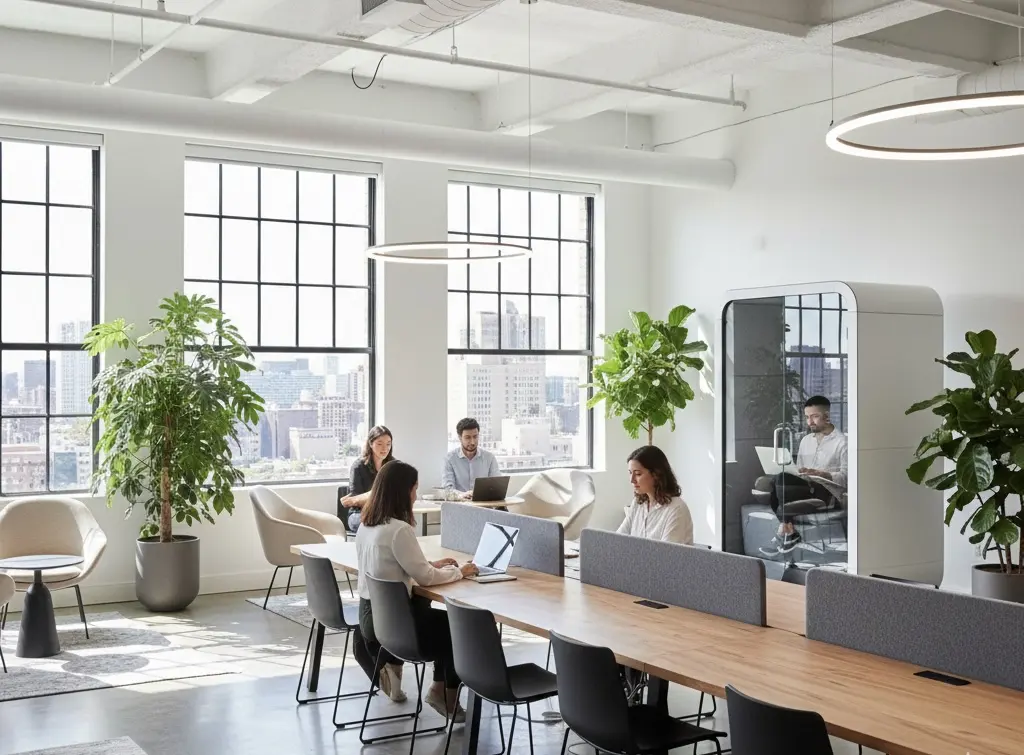
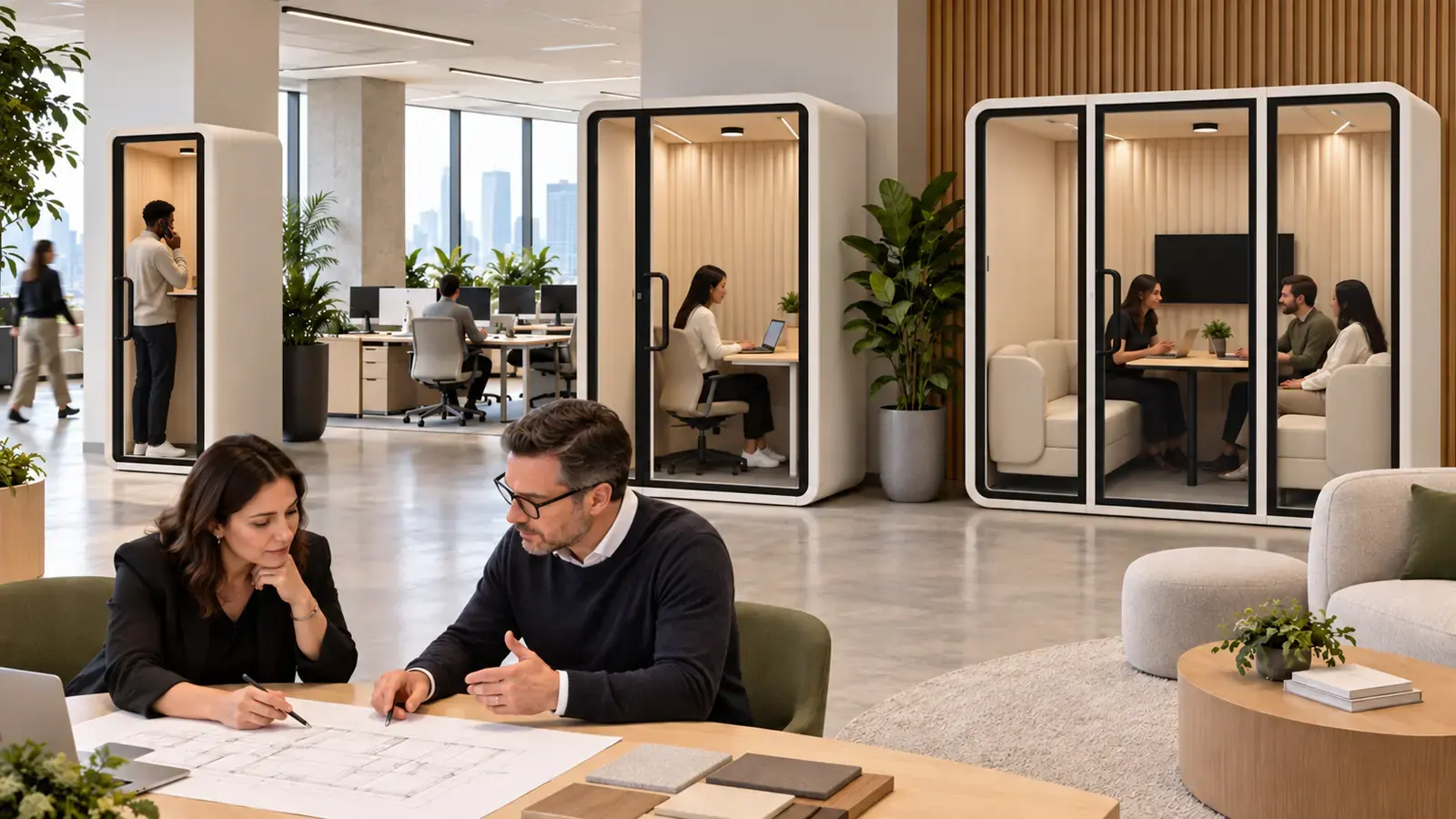
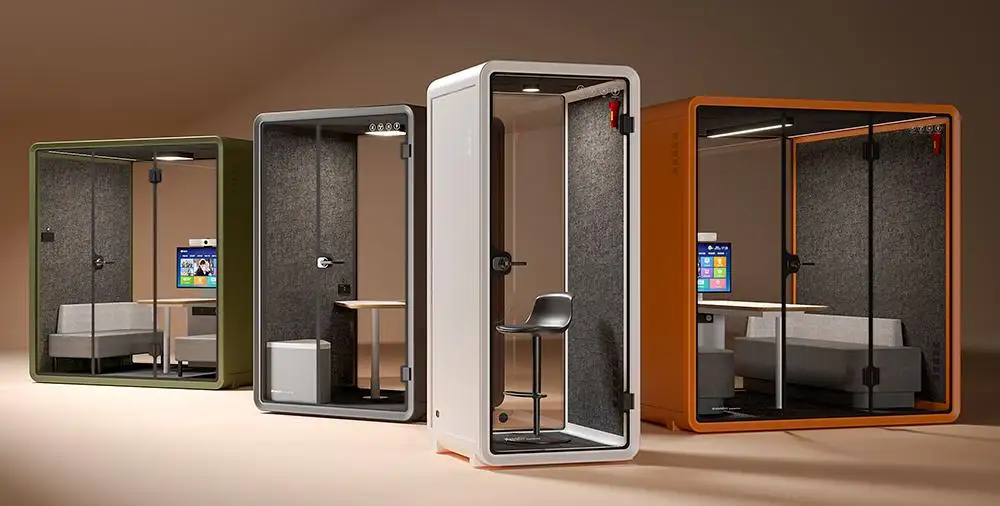
Office pods have emerged as a highly effective privacy solution complementing traditional desk dividers for office environments, addressing the growing demand for focused, private spaces within open-plan offices. Unlike typical desk dividers that serve as partial physical barriers between workstations, office pods are standalone, enclosed units designed to provide employees with a dedicated, quiet area for calls, concentration, or collaborative work without distractions.

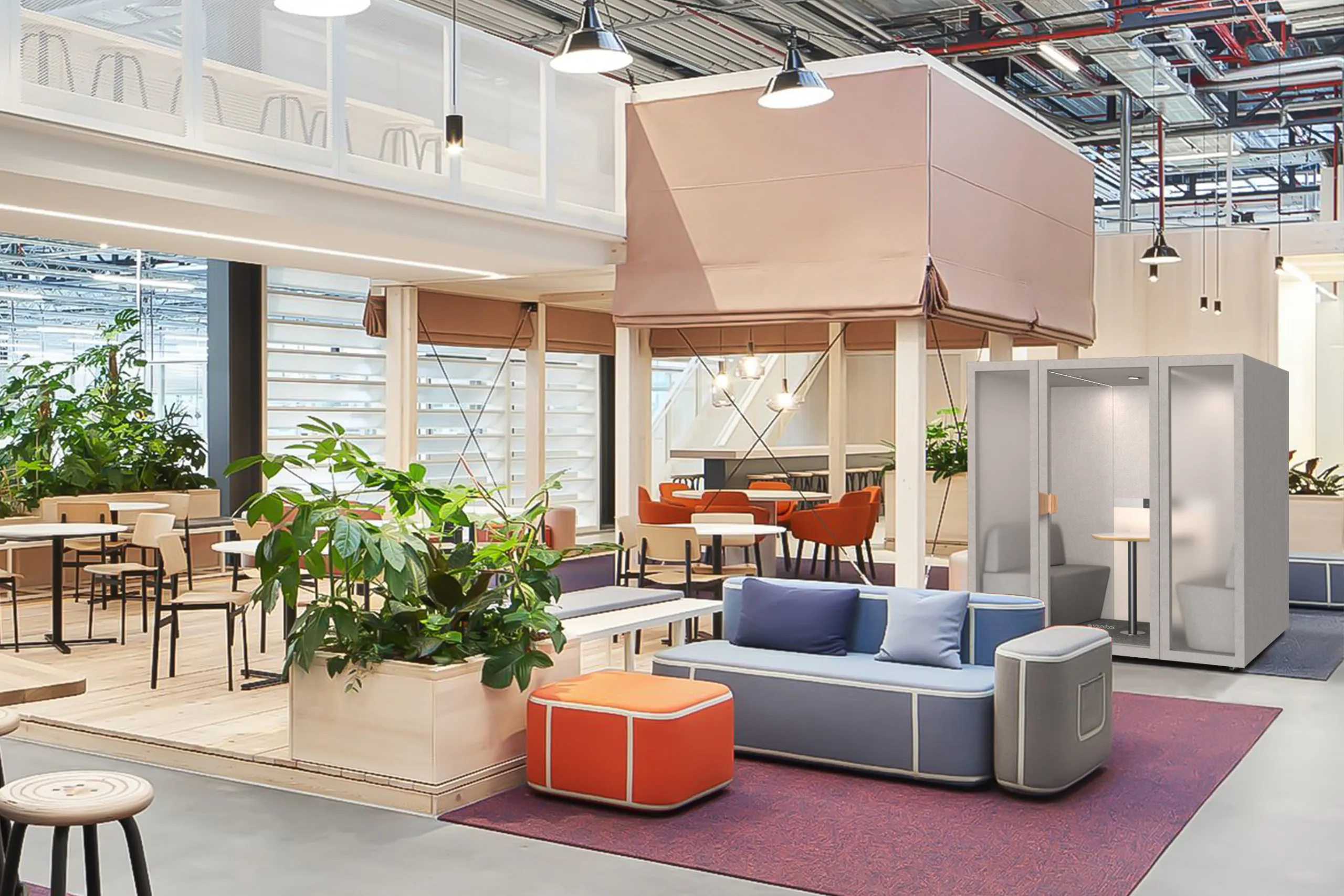
Office pods come in a variety of designs, ranging from simple booth-like structures with transparent or opaque walls to fully enclosed soundproof pods equipped with ventilation, lighting, and power outlets. Their compact, modular nature allows them to be installed in various office configurations and resized or relocated as needed, offering workplace and facilities managers great flexibility.

One of the key advantages of office pods is their ability to provide complete acoustic isolation. While desk dividers with acoustic soundproof panels reduce background noise, office pods create near-total sound containment, ensuring conversations or focus tasks remain uninterrupted by ambient office noise. This makes them especially valuable for confidential meetings, client calls, or deep work sessions requiring minimal distractions.

Functionally, office pods enhance privacy not only by physical separation but also through the incorporation of modern technology. Many pods feature built-in ventilation systems to maintain comfort over longer use periods, LED lighting adjustable to individual preferences, and integrated power and connectivity ports to support laptops, headsets, and video conferencing equipment. This technological integration ensures users can remain productive without needing external accommodations.

https://oss.soundbox-pod.com/markdown/office-home-pod_1767777336328.jpg

From a design perspective, office pods integrate seamlessly into open offices without fragmenting the space. Their contemporary aesthetics, which can be customized in color, materials, and branding, contribute positively to the office vibe and culture. In cities with high-density workplaces such as London, Berlin, and Sydney, office pods have become popular for maximizing privacy while sustaining the openness and collaboration that modern workspaces strive for.

Office pods differ from traditional desk dividers in scale and function-providing fully enclosed private spaces rather than semi-open partitions. However, when used together, they complement each other perfectly: desk dividers define workspace boundaries and reduce noise at the individual desk level, while office pods offer sanctuaries for tasks requiring heightened privacy or concentration.

Workplace managers seeking to foster varied and adaptable office environments may find combining desk dividers and office pods an optimal strategy for balancing openness with necessary privacy. As we move forward, exploring related solutions and upcoming trends will shed light on how office design continues to evolve in synergy with these privacy innovations.

Related Solutions & Future Trends

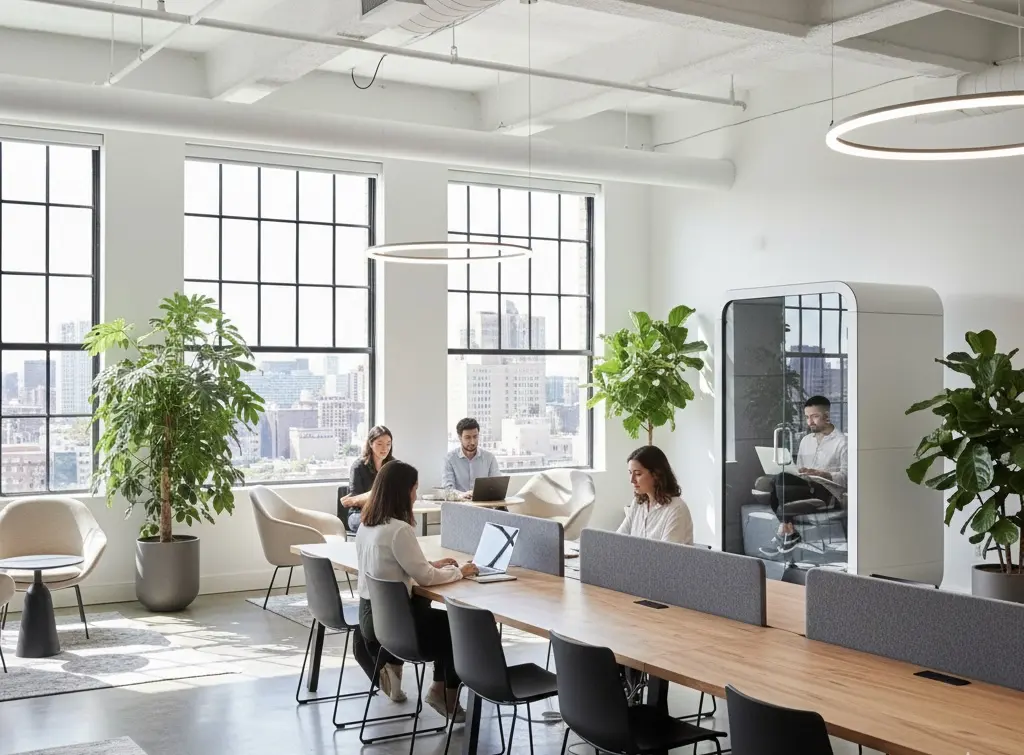
As office designs continue to evolve, desk dividers for office environments are increasingly integrated into broader solutions that enhance flexibility, functionality, and employee experience. Modular workspaces are one such trend, where furniture and partitions-including desk dividers-are designed to be easily reconfigured to meet the shifting needs of teams and projects. This adaptability allows workplaces to create private zones or collaborative areas on demand, supporting hybrid work models that balance in-person and remote work dynamics.

Another emerging trend is the use of biophilic design elements, where natural materials, plants, and organic shapes are incorporated to boost wellbeing and productivity. Desk dividers now often feature integrated planters or natural finishes that contribute to a healthier, more engaging environment. Urban centers such as Seattle and Amsterdam are leading in this approach, with innovative offices blending privacy solutions with nature-inspired design.

Technological integration is also shaping the future of desk dividers and office privacy. Smart dividers equipped with sensors can monitor environmental factors such as noise levels, air quality, or occupancy, allowing facilities managers to optimize workspace conditions proactively. Some advanced solutions even include digital whiteboards or touchscreens embedded within dividers to facilitate seamless collaboration without sacrificing privacy.

Additionally, advances in sustainable materials are influencing the design and manufacture of desk dividers. Recycled, recyclable, and low-impact materials are gaining preference, aligning with corporate social responsibility goals and appealing to environmentally conscious employees.

https://oss.soundbox-pod.com/markdown/office-desk-dividers_1767776722807.jpg

Looking ahead, the concept of personal work pods and adaptable micro-environments will likely expand, blending the benefits of desk dividers with features that accommodate wellness, technology, and changing work patterns. Spaces that can transition effortlessly from quiet focus zones to collaborative hubs will define the workplaces of the future.

For workplace and facilities managers, staying informed about these related solutions and future trends is crucial to making strategic investments that future-proof office environments while delivering measurable benefits in productivity, privacy, and employee satisfaction.