Benefits of 4 Person Meeting Pods for Workplace and Facilities Managers
Exploring the Benefits of 4 Person Meeting Pods
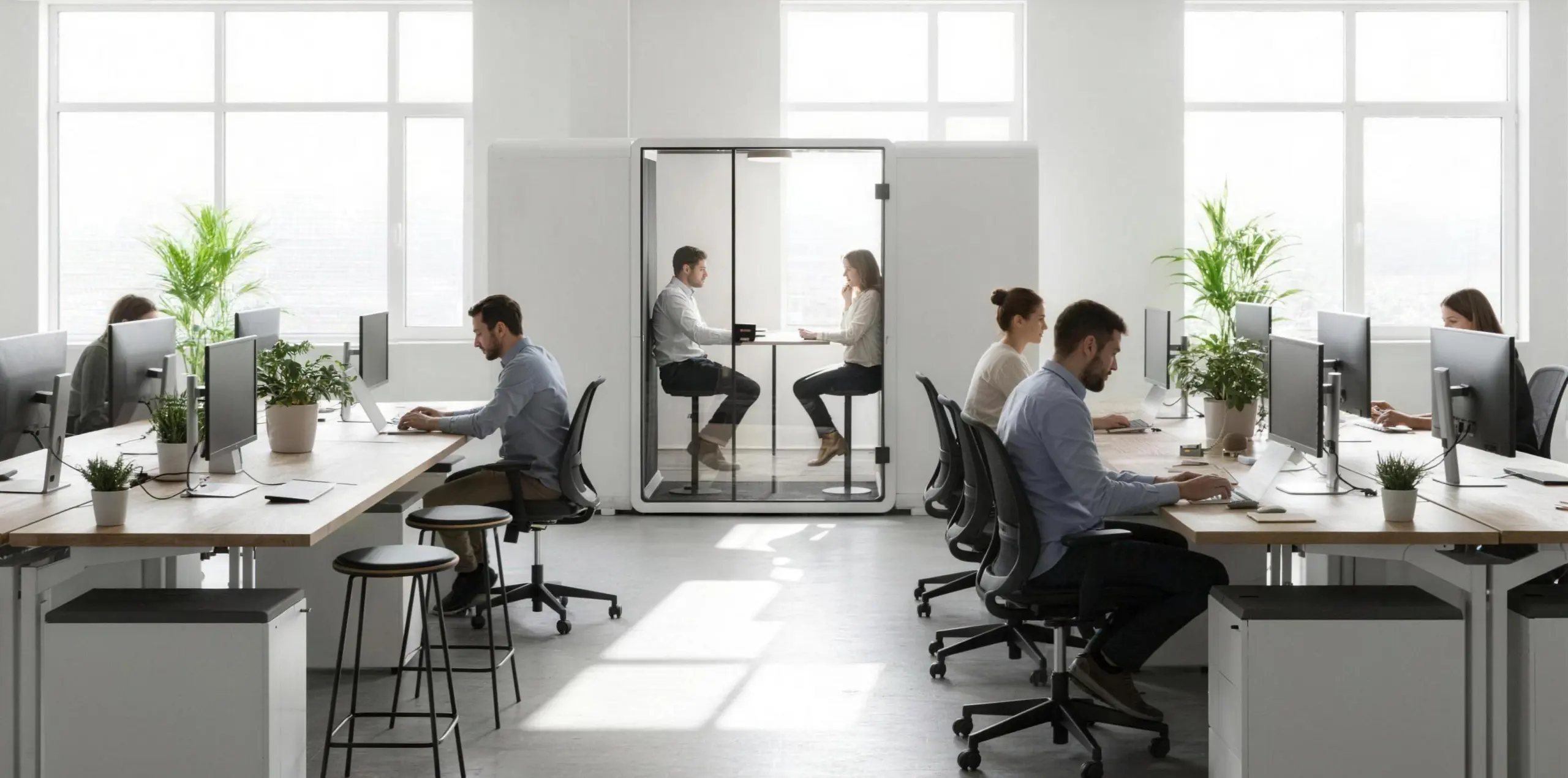
In today’s dynamic workplace environment, creating spaces that foster collaboration while maintaining privacy is a key challenge for Workplace and Facilities Managers. Four-person meeting pods offer an innovative solution that balances these needs effectively. These compact, self-contained units provide a dedicated environment for small group discussions, brainstorming sessions, and confidential meetings without the distractions of an open office.
One of the primary benefits of 4 person meeting pods is the enhanced privacy they afford. In open-plan offices, sensitive conversations can easily be overheard, reducing the willingness of teams to communicate openly. These pods are designed with soundproofing features that block out ambient noise, ensuring that discussions remain confidential and that participants can focus fully.
Beyond privacy, these pods facilitate greater collaboration. By offering a comfortable, semi-enclosed space, they encourage face-to-face interaction and engagement among team members. The intimate setting helps to break down communication barriers that often occur in larger meeting rooms or noisy office areas, boosting teamwork and creativity.
Moreover, 4 person meeting pods contribute significantly to productivity. The controlled environment limits interruptions, allowing meeting attendees to stay on topic and resolve issues more efficiently. Facilities Managers also benefit from the flexibility that these pods offer; they can be easily relocated or reconfigured as office needs evolve, making them a cost-effective choice for modern workspaces.
Numerous case studies underline these advantages. For instance, companies implementing these pods in tech hubs like Austin and Toronto have reported a marked improvement in meeting satisfaction and employee focus. According to workplace design expert Claire Thompson, “The adaptability and focus-friendly environment of four-person pods make them a vital asset for contemporary offices aiming to amplify collaboration without sacrificing privacy.”
As we explore further, it’s important to consider the various types of office pods available on the market and how they cater to different organizational needs.
Types of Office Pods
Understanding the different types of office pods is essential for Workplace and Facilities Managers looking to optimize their office environments with versatile, functional spaces. Office pods come in a variety of designs and configurations, each tailored to specific needs, capacities, and architectural styles. Among these, the 4 person meeting pods stand out for their balance between intimacy and collaborative functionality.
The most common types of office pods include:
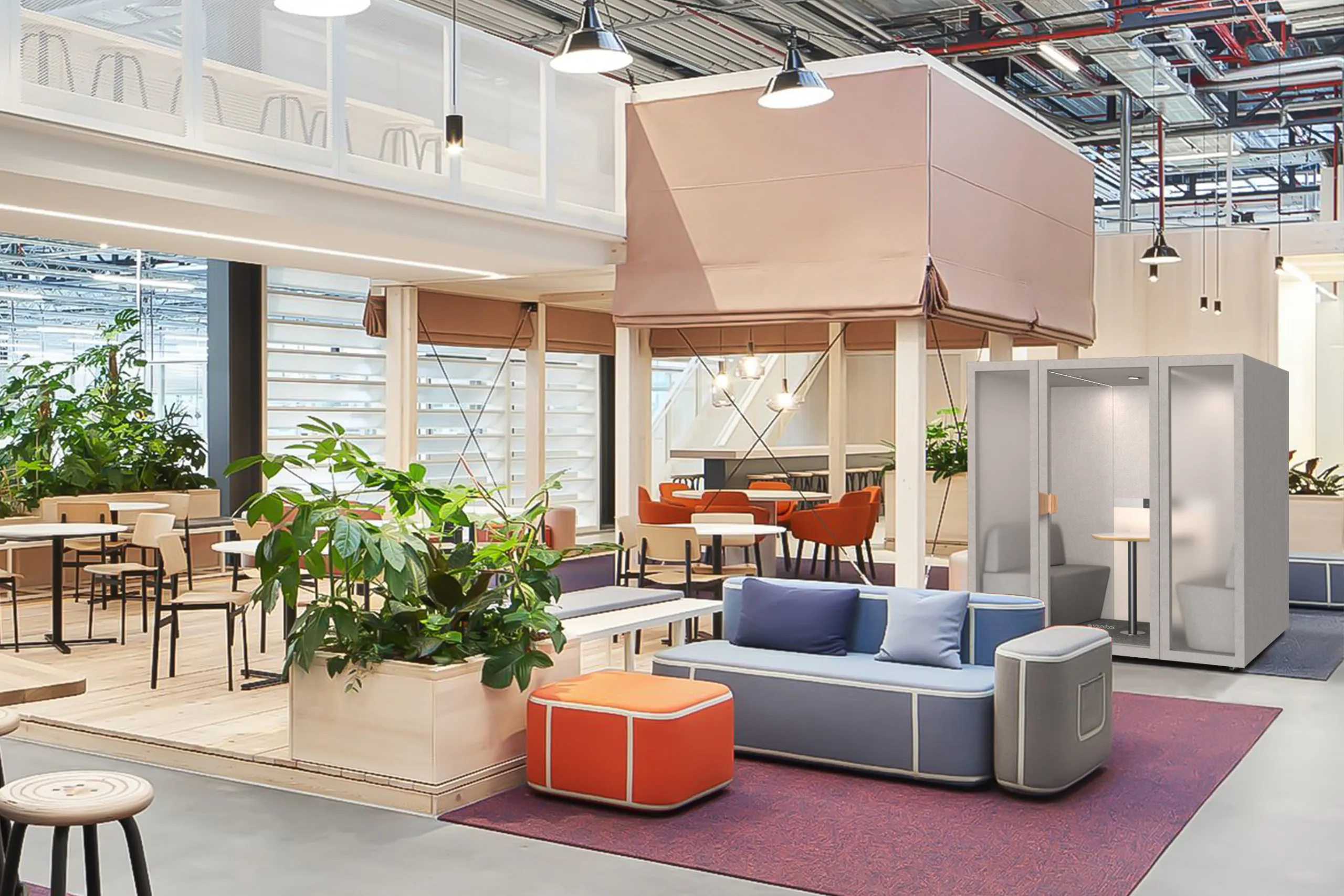
- Enclosed Meeting Pods: These fully enclosed structures prioritize privacy and sound isolation. They are ideal for confidential meetings, client calls, or focused group work. Four-person enclosed pods often feature high-quality materials and integrated ventilation systems to ensure comfort during longer sessions.
- Semi-Open Pods: Offering a more casual setting, semi-open pods provide some acoustic shielding without complete enclosure. This type is suitable for collaborative teams that benefit from a degree of openness while still reducing distractions.
- Phone Booth Pods: Primarily designed for individual use, these pods provide a quiet sanctuary for private calls. While smaller than four-person pods, they often complement larger meeting pods in an office layout to offer diverse space options.
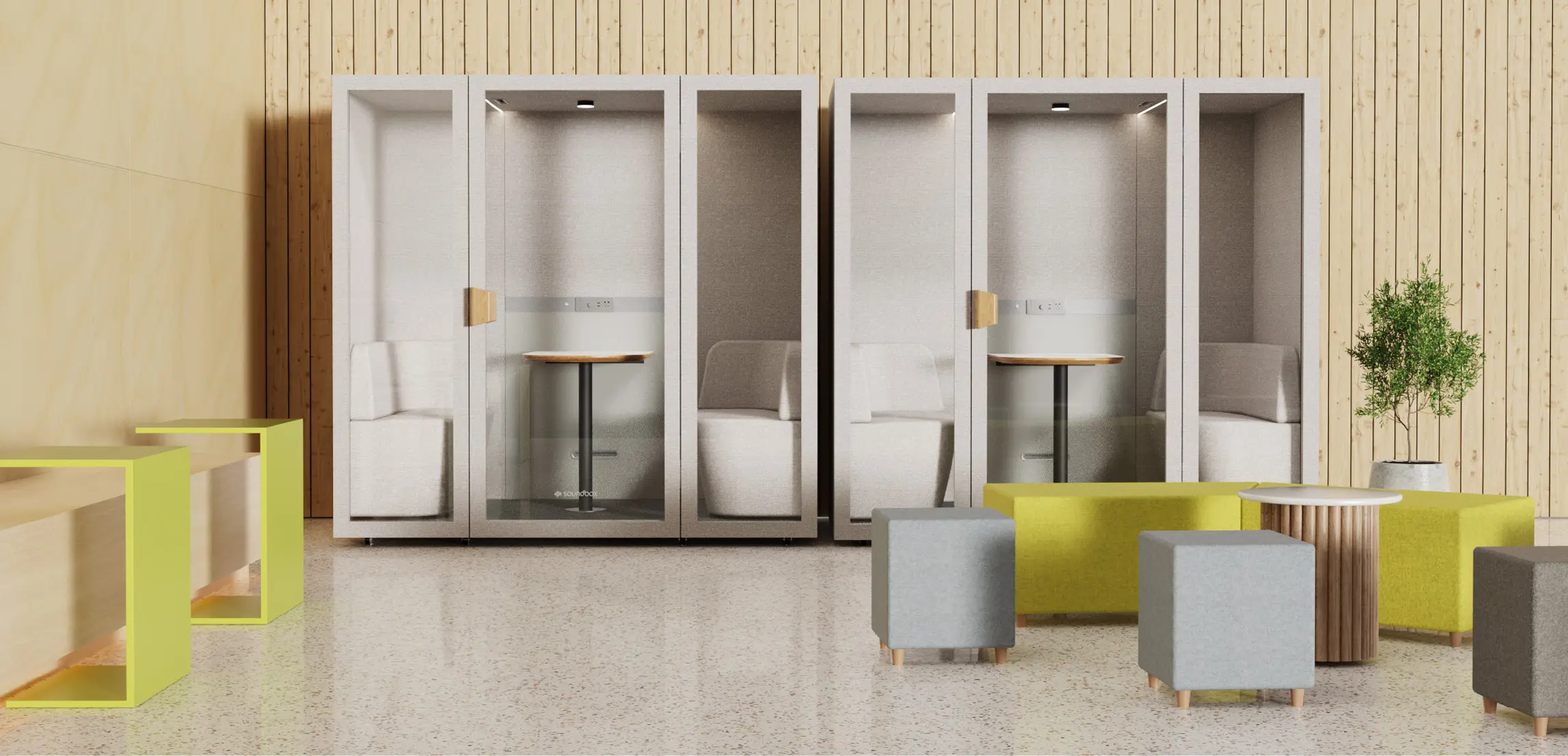
- Modular and Customizable Pods: Many manufacturers, including industry leaders like SoundBox Booth, offer modular pods that can be customized to fit specific spatial or branding requirements. These pods enable facilities managers to integrate technology, bespoke finishes, and scalable layouts for teams of varying sizes.
Specifically, 4 person meeting pods are typically compact yet spacious enough to comfortably seat four individuals around a table or workspace. These pods are often equipped with integrated power outlets, lighting, and ventilation, making them practical for extended meetings. Their design supports an intimate collaborative environment, fostering teamwork while simultaneously offering the benefits of noise reduction and minimal visual distraction.
The suitability of different pod types depends heavily on the office environment. For instance, in bustling urban offices like those in Chicago or London, fully enclosed meeting pods with superior acoustic panels may be necessary to block out city noise and office activity. Meanwhile, creative agencies or tech startups might favor semi-open or modular pods that encourage spontaneous collaboration and flexibility.
When selecting office pods, Facilities Managers should consider factors such as seating capacity, intended usage (e.g., video conferencing, brainstorming, client meetings), office layout restrictions, and budget. The versatility in types ensures that four-person pods can be deployed effectively across industries, delivering the benefits 4 person meeting pods are known for-privacy, collaboration, and productivity-tailored to any workspace.
Having examined the types of office pods, the next important factor to address is how acoustic soundproof panels enhance these pods’ functionality, especially regarding privacy and noise control.
Importance of Acoustic Soundproof Panels in Office Pods
Acoustic soundproof panels are fundamental components that significantly enhance the performance and user experience of office pods, especially the highly sought-after 4 person meeting pods. These panels serve to control sound transmission, reduce noise pollution, and maintain privacy - all critical aspects in a modern office where maintaining focus and confidentiality is paramount.
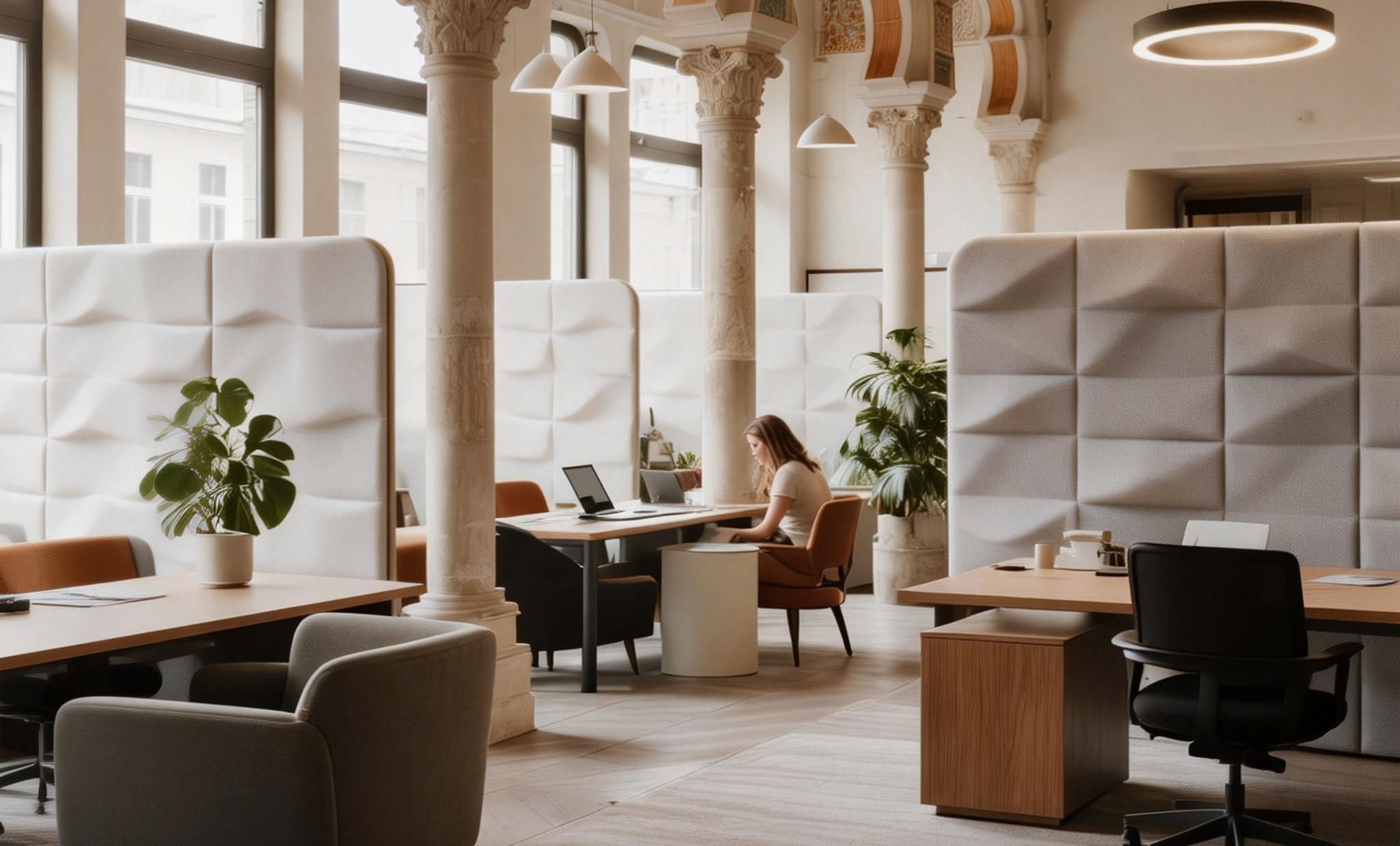
In many open office layouts, ambient noise from background conversations, phones ringing, and office equipment can be a major distraction. Incorporating acoustic soundproof panels inside the pod walls and ceilings creates a buffer that absorbs these disruptive sounds. This allows conversations within the pod to remain clear to participants while preventing sound from leaking out and disturbing others nearby. The effectiveness of these panels in absorbing mid to high frequency sound waves ensures that phone calls, video conferences, and brainstorming sessions happen without interruption.
From a privacy standpoint, soundproofing is indispensable. Sensitive discussions involving strategic planning, human resource matters, or client negotiations require an environment free from potential eavesdropping. High-quality acoustic panels, often made from materials such as melamine foam, fiberglass, or recycled polyester, meet rigorous sound absorption standards that guarantee confidentiality inside 4 person meeting pods. Some advanced panels also feature fire retardant properties and sustainable certifications, aligning with environmentally conscious office design requirements.
Besides enhancing privacy and noise control, these panels contribute to the overall comfort and aesthetic appeal of office pods. They can be manufactured in a wide range of colors, textures, and finishes, allowing customization to match company branding or office interior themes. The soft surfaces also help create a warm, welcoming atmosphere, encouraging more frequent use of pods for collaboration and focus.
Furthermore, acoustic panels play a role in reducing sound reflections inside the pod, decreasing echo and reverberation to improve speech intelligibility. This clarity benefits all participants, especially during virtual meetings where clear audio is crucial. Facilities Managers often note increased meeting efficiency and satisfaction directly linked to the presence of superior soundproofing measures.
Industrial research supports these observations. According to a study published in the Journal of the Acoustical Society of America, effective acoustic treatment in workplace pods can reduce perceived noise levels by up to 50%, substantially improving concentration and reducing stress. This data reinforces why the integration of acoustic soundproof panels is a best practice for any office pod system.
Example: Acoustic panels made from melamine foam or recycled polyester help 4 person meeting pods achieve high sound absorption, reducing noise distractions and ensuring confidential conversations stay private.
In summary, acoustic soundproof panels elevate 4 person meeting pods from simple enclosed spaces into highly functional, private, and collaborative environments. Their impact on privacy, noise reduction, speech clarity, and user comfort underline why they are essential components in achieving the benefits 4 person meeting pods promise to Workplace and Facilities Managers.
With an understanding of soundproofing’s critical role, Facilities Managers can make better decisions when comparing the variety of office pods currently available in the market.
Comparing Office Pods
When it comes to choosing the right office pods, especially 4 person meeting pods, Workplace and Facilities Managers must weigh several critical factors to make informed decisions that align with organizational needs, budget constraints, and space limitations. Comparing office pods involves assessing differences in size, design, acoustic performance, usability, integration of technology, and overall cost.
First, pod size varies significantly. While 4 person meeting pods are designed to comfortably accommodate small groups, some pods offer more generous internal space, allowing for extra amenities like larger tables or lounge seating. Conversely, compact pods maximize office footprint efficiency, which is beneficial in densely populated cities such as New York or Tokyo where real estate costs are high. Choosing the right size impacts not only comfort but also the number of pods that can fit into a given office area.
The usability and design features of office pods also differ. Fully enclosed pods provide maximum privacy and noise isolation, making them ideal for confidential meetings and video calls. Semi-open or booth-style pods encourage more casual collaboration but may offer less soundproofing. Features such as integrated ventilation, climate control, adjustable lighting, power outlets, and connectivity options vary between models; these elements affect user comfort and productivity. High-end pods may include smart glass for privacy, video conferencing systems, or modular furniture allowing flexible configurations.
Acoustic performance is a major consideration. Pods equipped with advanced acoustic soundproof panels drastically outperform cheaper or less engineered counterparts in dampening sound leakage and internal echo. Facilities Managers should look for pods with verified sound absorption ratings, ensuring that the benefits 4 person meeting pods offer in privacy and focus are fully realized.
Cost is another pivotal factor. While premium pods with advanced features command higher upfront investments, they often yield better long-term value through improved employee well-being and meeting efficiency. More affordable pods may fit limited budgets but require careful selection to avoid frequent maintenance or replacement costs.
Customer testimonials and expert reviews provide valuable insight. For example, a Facilities Manager in San Francisco highlighted how investing in high-quality 4 person pods with superior soundproofing led to a 30% reduction in meeting disruptions. Furthermore, companies like SoundBox Booth offer customizable pods allowing organizations to balance cost, aesthetics, and functionality.
Ultimately, the best choice depends on specific office dynamics: number of users, noise environment, meeting frequency, and spatial constraints. Facilities Managers are encouraged to conduct pilot testing, consult expert vendors, and consider employee feedback to ensure selected pods deliver the full scope of benefits 4 person meeting pods provide.
With a thorough comparison in mind, successful integration of these pods requires a strategic approach, which will be covered in the next section.
Implementing Office Pods: A Step-by-Step Process

Integrating 4 person meeting pods into an existing office space requires careful planning and execution to maximize their benefits. Facilities Managers must navigate considerations such as placement, installation logistics, and budget management to ensure a seamless incorporation that enhances workplace functionality.
The first step involves evaluating the office layout to identify high-traffic or collaboration-prone zones where pods would best serve team needs. Choosing locations that balance accessibility with minimal disruption to overall workflow optimizes pod utilization. For example, placing pods near open work areas enables quick, private meetings without requiring long detours, while avoiding areas reserved for quiet work reduces noise conflicts.
Next, precise measurements must be taken to confirm pod dimensions fit comfortably within the designated spaces, including allowances for door swings and user movement. Attention to power and network infrastructure is crucial; pods typically need access to electrical outlets and reliable internet connections to support video conferencing and device charging.
Once locations are finalized, Facilities Managers coordinate with vendors or installation teams to schedule delivery and assembly. Many modern pods, such as those from SoundBox Booth, are designed for minimal onsite construction, allowing fast and efficient installation that minimizes office downtime. It is important to verify compliance with building codes and fire safety regulations throughout this process.
Budget planning must account not only for the pod purchase price but also ancillary costs such as installation fees, possible electrical upgrades, and ongoing maintenance. Evaluating total cost of ownership facilitates informed decision-making aligned with organizational financial frameworks.
After installation, communicating pod availability, functionality, and booking procedures to employees encourages adoption. Providing guidance on appropriate use and etiquette maximizes the pods’ positive impact on collaboration and productivity.
Regular review of pod utilization and feedback from users enables Facilities Managers to assess effectiveness and identify opportunities for adjustment or expansion. Successful implementation of 4 person meeting pods thus becomes an ongoing process tailored to evolving workplace needs.
By following these steps, Facilities Managers can effectively introduce office pods that deliver the benefits 4 person meeting pods are known for, fostering a modern, flexible, and productive working environment.
More Resources and Related Products
To fully leverage the benefits 4 person meeting pods offer, Workplace and Facilities Managers should explore additional resources and complementary products that enhance their office environments. Access to specialized guides, expert consultations, and innovative accessories can maximize the return on investment and further improve workspace functionality.
Several companies provide downloadable resources such as comprehensive buyer’s guides, space planning templates, and acoustic optimization manuals tailored for office pods. These materials help decision-makers understand the nuances of pod selection, installation, and maintenance, enabling informed choices that suit unique organizational needs. For example, SoundBox Booth offers detailed catalogs showcasing various pod models alongside case studies illustrating successful implementations in cities like New York and San Francisco.
In addition to documentation, personalized consulting services are invaluable. Engaging with workplace design experts can reveal opportunities to customize pods for ergonomic comfort, technological integration, and aesthetic alignment with corporate branding. Consultants often provide on-site assessments or virtual planning sessions to optimize pod placement and configuration within office layouts.

Complementary products also play a crucial role. Acoustic panels, standalone sound absorbers, and noise masking systems can augment pod effectiveness in particularly noisy environments. Ergonomic seating, modular furniture, and smart lighting solutions enhance user comfort and productivity within pods. Integrating conference technology such as high-quality microphones, cameras, and wireless charging stations ensures pods serve as fully equipped collaboration hubs.
Local and regional case studies showcasing successful pod deployments can inspire tailored solutions. Facilities Managers in cities with vibrant tech sectors, like Seattle or Austin, may benefit from insights into how peers harness these office pods to boost employee engagement and operational efficiency.
Finally, maintaining direct contact with trusted suppliers through newsletters or webinars keeps Facilities Managers abreast of new product launches, feature enhancements, and industry best practices.
By leveraging these additional resources and related products, organizations can unlock the full spectrum of advantages associated with 4 person meeting pods, cultivating work environments that are private, collaborative, and futuristically equipped.