Ultimate Guide to Choosing the Best Noise Masking System for Your Office
Introduction to Noise Masking Systems
In today’s bustling office environments, maintaining focus and privacy amid constant background noise can be a significant challenge. This is where noise masking systems come into play. A noise masking system is designed to add a specifically engineered sound, usually a form of gentle white noise, to an office environment to cover up disruptive noises and conversations. Unlike noise-cancelling technologies that aim to eliminate sound, noise masking subtly blends sounds, making distracting noises less noticeable and helping to protect speech privacy. These systems have become an essential tool for creating more productive, comfortable, and confidential workplaces, especially in open-plan offices where noise pollution can significantly hinder performance. By carefully calibrating the sound introduced, noise masking systems improve concentration, reduce stress, and create an atmosphere conducive to better communication and workflow.
Importance of Reducing Office Noise
Excessive noise in office settings is more than just an annoyance; it can profoundly affect employee productivity, health, and overall satisfaction. Studies have shown that ambient noise distractions lead to decreased concentration, higher error rates, and longer task times. Employees constantly interrupted by loud conversations or ringing phones struggle to sustain focus, which ultimately impacts the quality and speed of their work.
Beyond productivity, noise pollution contributes to increased stress levels and mental fatigue. Prolonged exposure to high noise levels can lead to headaches, elevated blood pressure, and even hearing problems over time. Creating a quieter work environment promotes not only cognitive function but also emotional well-being, resulting in happier, healthier teams.
Reducing office noise is especially crucial in workplaces that emphasize collaboration and creativity. While teamwork benefits from open communication, uncontrolled noise can hamper idea flow and force employees to seek solitude or remote workspaces. Implementing solutions like noise masking systems, sound panels, or office pods can balance open communication with privacy, giving employees control over their acoustic environment.
Recognizing these significant impacts, businesses are increasingly investing in effective noise management strategies. With the right noise masking system, office noise is not just covered up-it’s transformed into a manageable background ambiance that enhances productivity and workplace satisfaction.
Types of Noise Masking Systems
Noise masking systems come in various forms, designed to cater to diverse office layouts and requirements. Understanding the different types will help you select the most appropriate solution for your workspace.
One popular category is ceiling-mounted noise masking systems, which use strategically placed speakers to emit a consistent, unobtrusive sound throughout the office. This approach works well in open-plan layouts where coverage over large areas is necessary. The sound emitted is carefully tuned to mask human speech frequencies, improving speech privacy and minimizing distractions.
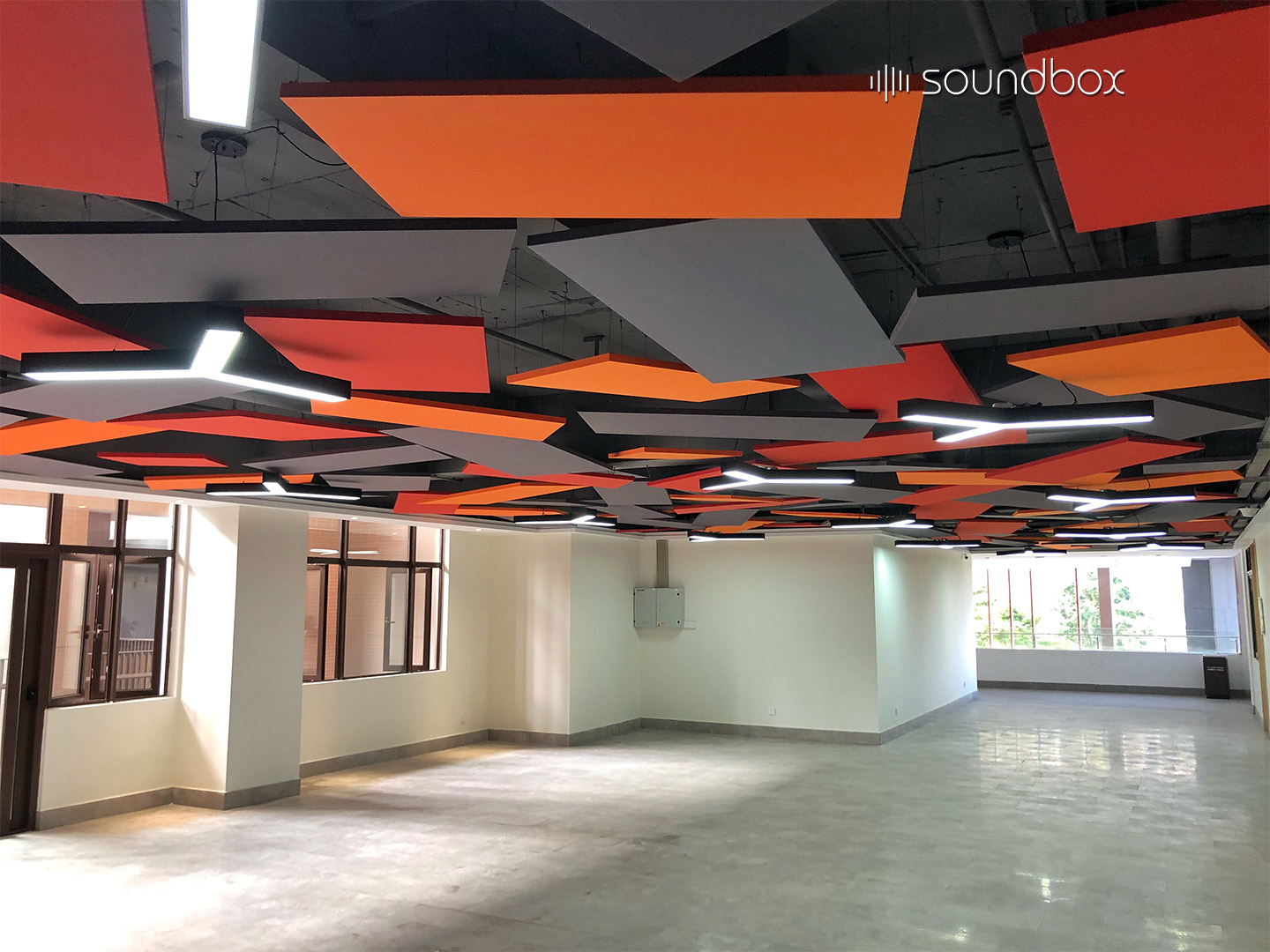
Sound panels are another effective noise masking solution. These are acoustic absorptive panels placed on walls or ceilings to reduce reverberations and absorb unwanted noise reflections. They not only help in damping noise but also complement noise masking systems by minimizing sound buildup. Available in various designs and customizable finishes, sound panels can also enhance the aesthetic of your office while improving acoustics.
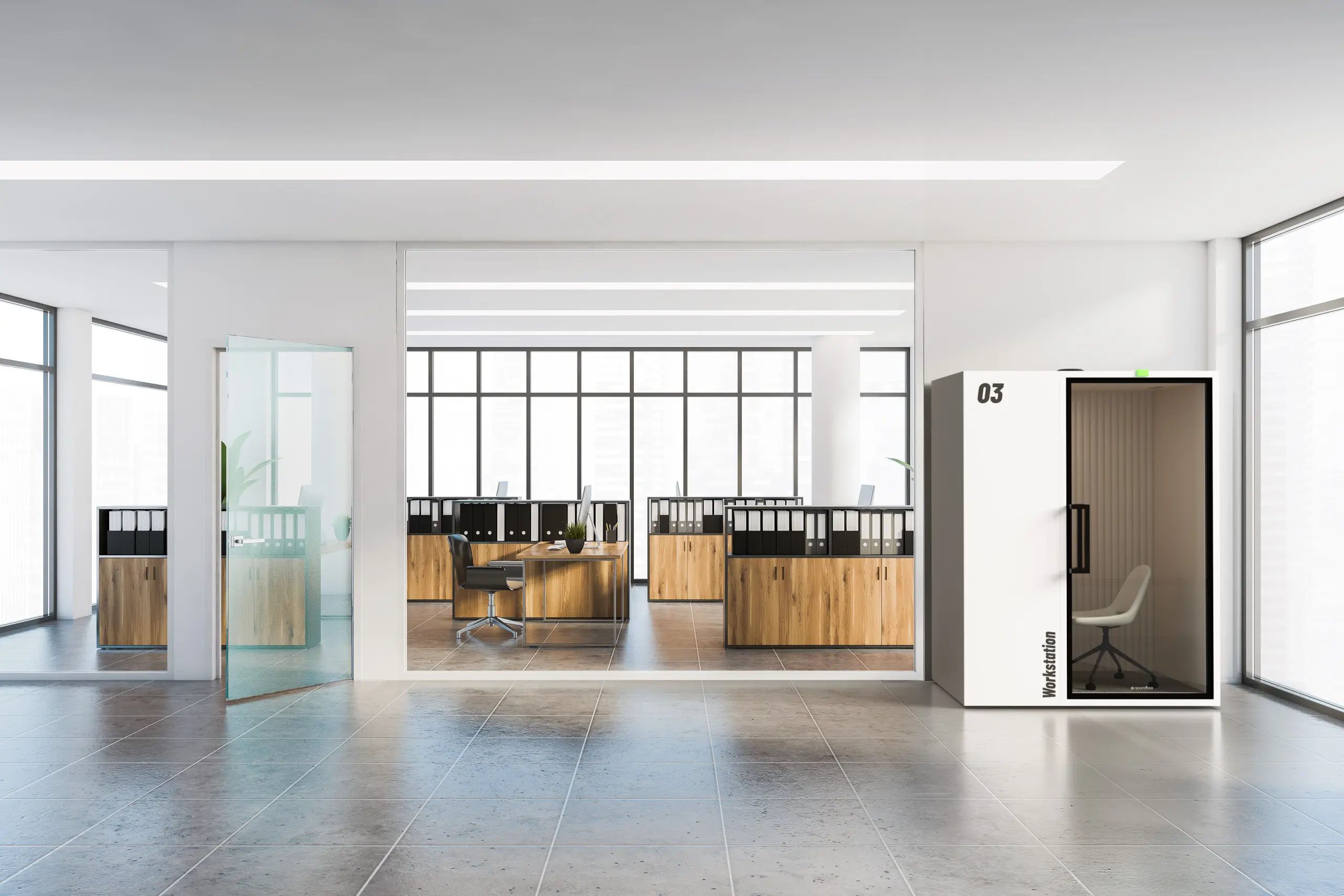
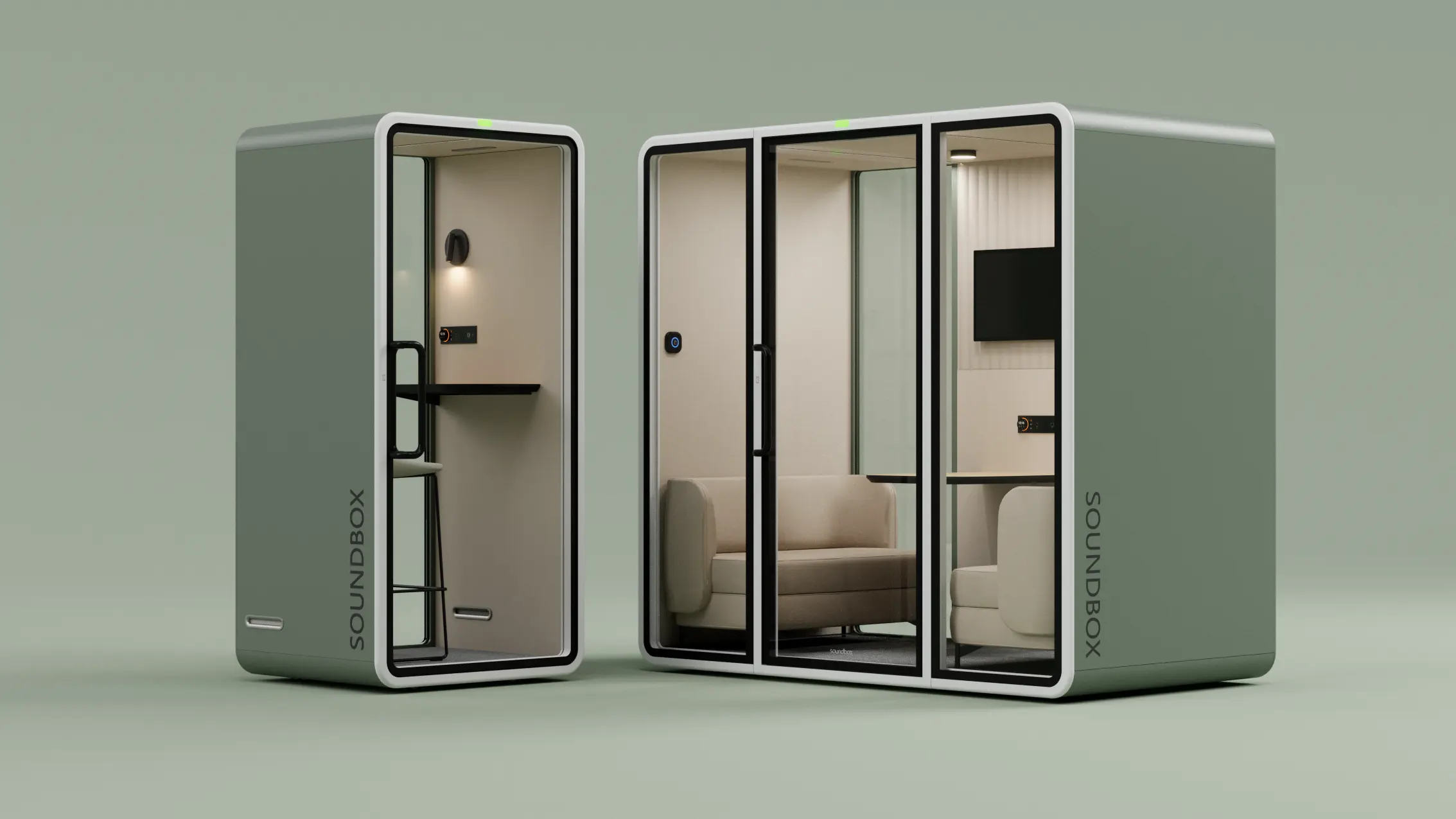
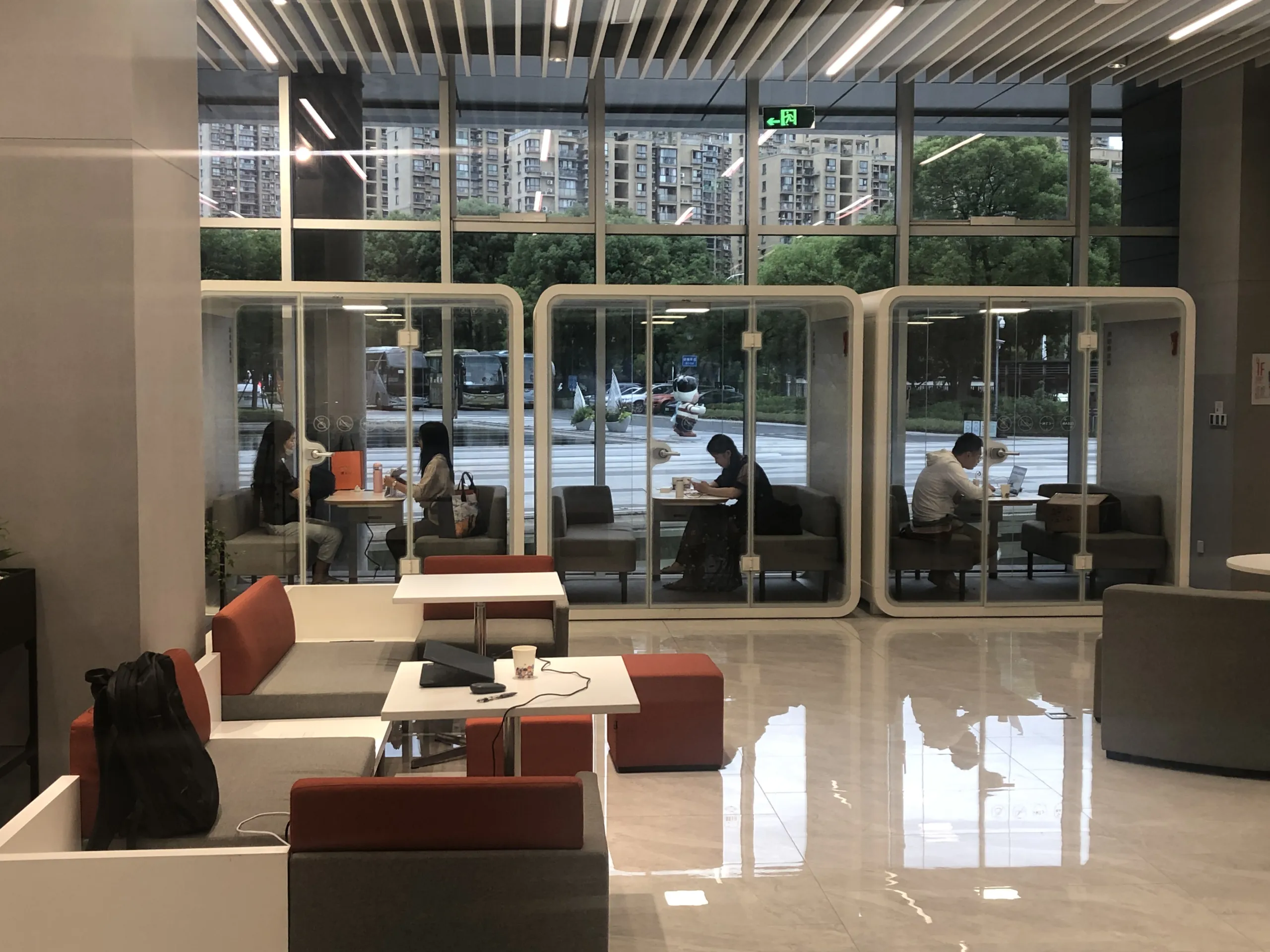
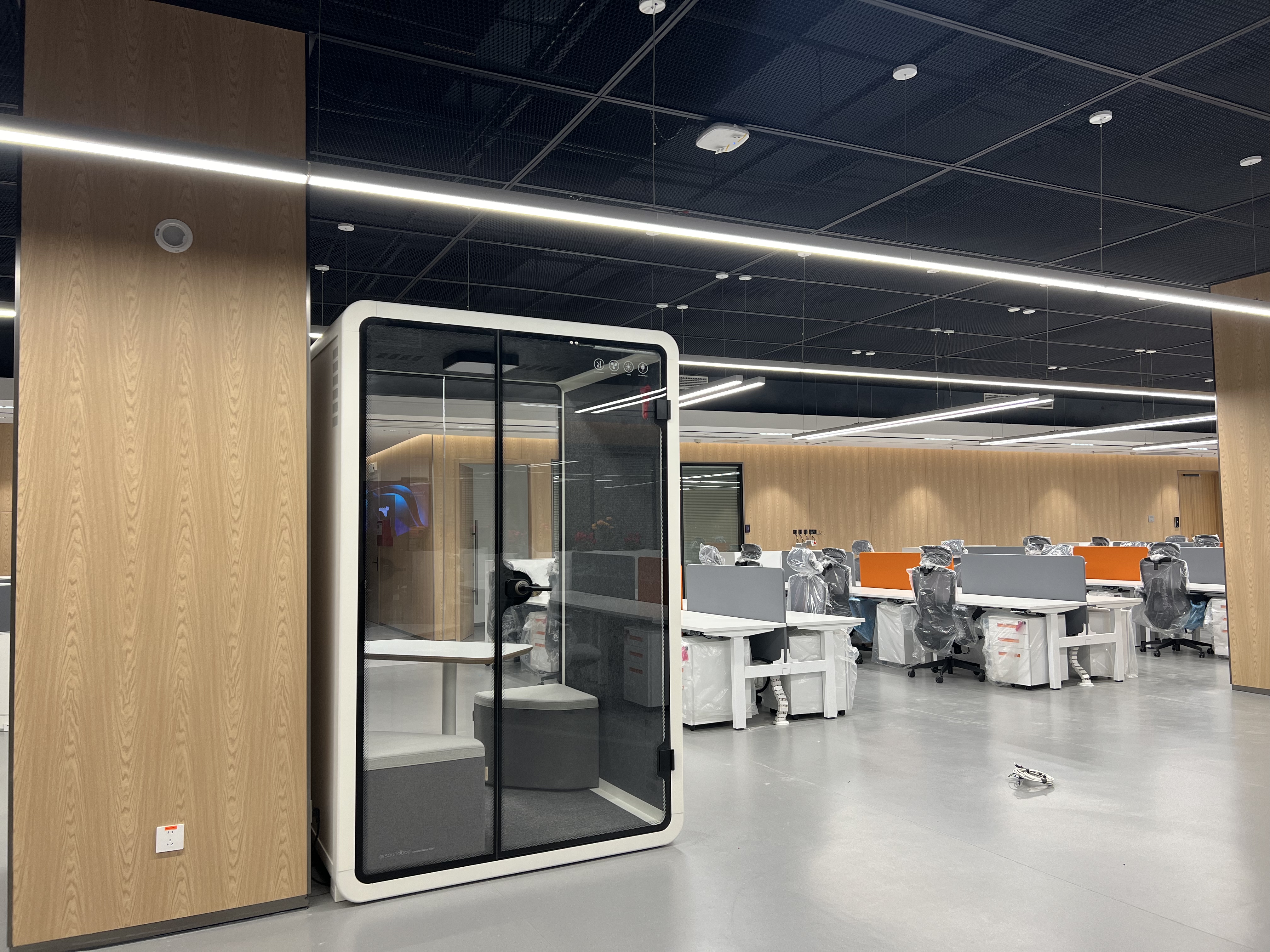
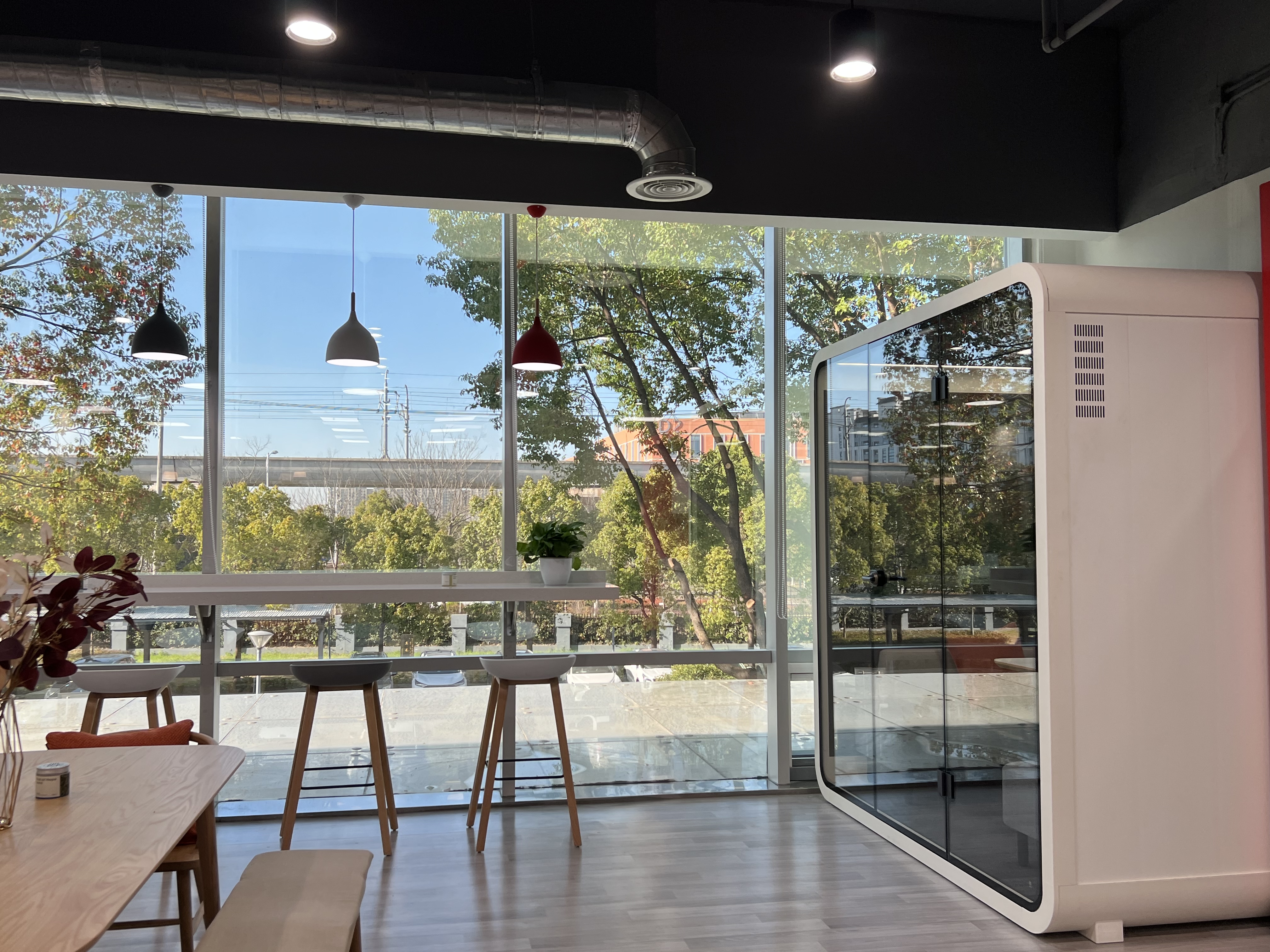
For offices seeking more localized control, office pods provide individual or small-group soundproof spaces designed with integrated noise masking features. These pods are ideal for private conversations, phone calls, or focused work requiring minimal acoustic interference. Office pods combine sound insulation with noise masking technology to create an oasis of quiet within a noisy environment.
Other options include underfloor or ducted noise masking systems, which utilize building infrastructure to distribute masking sound more subtly and uniformly. These setups are often favored in modern offices focused on sleek, unobtrusive design.
Each type of system offers unique benefits depending on factors such as office size, layout, and employee needs. Combining solutions-such as installing sound panels alongside a ceiling-mounted noise masking system-often delivers the best outcomes in controlling noise and enhancing comfort.
Identifying Your Noise Reduction Needs
Understanding your specific noise reduction needs is critical before investing in any noise masking system. Every office differs in layout, sources of noise, and the nature of work being done, so a one-size-fits-all approach is rarely effective. The first step is to assess the existing noise levels and patterns in your workspace.
Begin by conducting a noise audit. Use sound level meters or smartphone apps to measure decibel levels at various times during the workday, especially during peak activity hours. Identify sources of disruptive noise, such as conversations, office equipment (printers, copiers), heating and cooling systems, or external street sounds. Observe the areas within the office that are most affected, whether it’s open desks, meeting rooms, or corridors.
Equally important is understanding how noise impacts your team. Gather feedback through surveys or interviews to learn where employees feel distractions are most problematic. Consider the type of tasks they perform-high-focus activities like writing or coding require more acoustic privacy, while casual collaboration areas can tolerate more ambient noise.
Office layout and furnishings also play a role in noise propagation. Hard surfaces like glass walls and tile floors reflect sound and can increase noise levels, while carpets, furniture, and plants help absorb sound naturally. Take note of these factors as they can influence the type of noise masking system or complementary acoustic treatment needed.
Once you have a clear picture of your noise environment and workplace dynamics, you can determine what kind of noise masking system will effectively reduce distracting sounds while enhancing speech privacy. This tailored approach ensures that your investment targets the right problem areas and maximizes benefits.
Selecting the Right Noise Masking System
Choosing the ideal noise masking system for your office hinges on several key factors to ensure it meets the unique acoustic challenges of your workspace and aligns with your budget.
Start by considering your noise audit results and the specific outcomes you seek-whether it’s lowering overall noise levels, improving speech privacy, or creating quiet zones. Match these goals to the capabilities of different masking solutions. For example, ceiling-mounted systems work well for broad coverage, while office pods can be deployed selectively for private calls and focused work.
Evaluate the customization options offered by various products. Modern noise masking systems allow adjustment of sound frequency and volume, enabling tuning to the exact acoustic profile of your office. Opting for a provider like Soundbox can give you access to advanced technology and tailored setups to optimize masking effect without becoming intrusive.
Space constraints and office design aesthetics also influence your choice. Sound panels can be integrated into walls or ceilings with artistic designs, complementing the workspace décor. Office pods require physical space but deliver exceptional noise isolation for specific needs. Ensure your selection fits seamlessly into your environment without causing disruption.
Budget considerations are naturally pivotal; however, investing in a high-quality system pays dividends through enhanced employee productivity and well-being. Factor in installation and maintenance costs along with upfront pricing. Comparing warranties, service agreements, and support from vendors can also help select a reliable solution.
Finally, consider scalability and future needs. Offices evolve, with changing teams and layouts. Select noise masking systems that can be expanded or adjusted as your office grows or modifies its space.
By thoughtfully aligning your needs, budget, and long-term strategy, you can choose a noise masking system that not only reduces office noise but becomes a valuable component of your workplace wellness strategy.
Installation Process
Installing a noise masking system involves several important steps to ensure the system functions effectively and integrates smoothly into your office environment. The process begins with a thorough planning phase, followed by strategic installation and final tuning.
The first step is to collaborate with an acoustic specialist or vendor, such as Soundbox, who will analyze your office layout, noise sources, and power access points. They will design a customized system that covers all necessary areas evenly while minimizing installation impact.
Next comes the physical installation. Ceiling-mounted speakers or sound panel fixtures are typically mounted discreetly on ceilings or walls. Wiring and controls are installed in a manner that maintains the aesthetic integrity of your office, with minimal disruption to daily operations. For office pods, the installation involves assembling and positioning the pods in designated spots, ensuring proper electrical and acoustic isolation.
After installation, the crucial phase is system calibration. The noise masking sound needs to be adjusted for volume and frequency spectrum to perfectly mask the typical office noise without being distracting itself. Professional tuning uses specialized equipment to balance the masking sound across all areas, accounting for building acoustics and occupancy patterns.
Following calibration, it’s important to conduct thorough testing, inviting feedback from employees to fine-tune settings for optimal comfort. Training on system controls for facilities teams ensures effortless ongoing management.
Proper installation not only maximizes noise masking effectiveness but also extends the life of your system. Partnering with experienced providers who manage installation end-to-end will result in a quieter, more productive office environment with minimal hassle.
Maintenance and Troubleshooting
To keep your noise masking system operating at peak efficiency, regular maintenance and prompt troubleshooting are essential. Proper care ensures consistent sound quality, prolongs system lifespan, and maintains a comfortable acoustic atmosphere for your office.
Begin with scheduled inspections to check speaker placements, wiring integrity, and system components for any signs of wear or damage. Dust and debris can accumulate on speakers or sound panels, potentially diminishing sound dispersion; routine cleaning is recommended.
Monitor sound output regularly. If you notice any changes in volume or tonal quality-such as distortion, uneven coverage, or an increase in background noise-it may indicate technical issues requiring adjustment or repair. Many modern systems offer remote monitoring and diagnostics, enabling quick detection of faults.
Employees should be encouraged to report any discomfort caused by the masking sound or ineffective noise masking. Common issues include settings being too loud or intrusive or zones being inadequately covered. Adjustments to volume levels and frequency settings are often necessary to accommodate seasonal changes in ambient noise or occupancy.
In case of component failure, work closely with your system provider for replacement parts or service support. Keeping firmware and software up to date also improves system performance and security.
Regular maintenance contracts offered by companies like Soundbox can streamline these tasks, ensuring your noise masking system remains an unobtrusive yet powerful ally in your office’s acoustic environment.
Case Studies
Real-world applications illustrate the transformative impact of noise masking systems in diverse office settings. Here are examples showcasing how businesses across sectors have leveraged these solutions to create better workspaces.
A mid-sized tech company in New York faced complaints about noise distractions in its open-plan office. After installing a ceiling-mounted noise masking system combined with strategically placed sound panels, the company reported a 40% reduction in reported noise complaints and a measurable increase in employee focus and satisfaction within three months.
A financial consultancy with high privacy requirements deployed customized office pods equipped with integrated noise masking technology. This created confidential spaces for client calls and collaborative work, improving confidentiality and reducing the risk of information leakage. Staff satisfaction surveys indicated improved comfort and communication efficiency.
A law firm in Chicago with a historic building faced challenges from hard-surfaced rooms exacerbating noise. The firm incorporated sound panels with aesthetic finishes alongside a ducted noise masking system. The result was significantly improved speech privacy and a quieter overall environment, enhancing client meetings and employee concentration.
These case studies emphasize the adaptability and benefits of noise masking systems tailored to specific office challenges, proving their value as a critical component of modern workplace design.
Related Products
Complementing a noise masking system with additional acoustic solutions can further enhance office comfort and functionality. Acoustic furniture, such as sound-absorbing desks, screens, and dividers, helps reduce noise transmission between workstations and creates personalized quiet zones.
Decorative acoustic wall treatments serve a dual purpose by improving sound absorption and adding visual appeal through customizable designs and colors. These treatments are ideal for conference rooms, lounges, or breakout areas where reducing echo and noise buildup is beneficial.
Integrating sound panels with furniture designed to absorb vibrations or minimize footfall noise can address noise sources not covered by masking alone. Combining these elements with office pods creates versatile work environments offering both collaboration and privacy.
Together, these related products work synergistically with noise masking systems to create balanced acoustics tailored to your specific office requirements, enhancing employee well-being and overall workspace efficiency.
More Resources
For readers interested in deepening their knowledge of noise control and acoustic solutions, a wealth of resources is available. Industry publications like the Journal of the Acoustical Society of America provide research insights. Online platforms such as the Acoustical Society of America (ASA) website offer guides, case studies, and technical documentation.
Manufacturers like Soundbox publish informative content, including whitepapers, FAQs, and video tutorials, to help buyers understand system options and implementation strategies. Professional acoustic consultants can offer tailored advice based on your unique office environment.
Additionally, local business forums and facilities management groups often hold webinars and workshops on office design and noise reduction trends, providing practical perspectives and networking opportunities.
Exploring these resources will empower you to make informed decisions and stay up-to-date with innovations in the noise masking system industry, ensuring your office continues to support productivity and employee well-being effectively.