Introduction to Office Noise Issues
Open-plan offices have become a popular design choice for modern workplaces aiming to foster collaboration and optimize space. However, these open these open environments often come with a significant downside: noise distractions. The constant buzz of conversations, ringing phones, and clattering keyboards can create an acoustically challenging setting that hampers employees’ ability to focus and perform at their best. Excessive noise not only reduces productivity but can also increase stress levels and decrease overall job satisfaction.
Studies have shown that workplace noise pollution can lead to more frequent errors, slower work rates, and higher employee turnover. Furthermore, the lack of privacy in open-plan designs amplifies the impact of noise disturbances, making it harder for staff to engage in deep, uninterrupted work. Because of these challenges, finding effective office noise solutions is essential for workplace managers and facility planners who want to create environments conducive to both collaboration and individual focus.
Addressing office noise involves a multi-faceted approach that ranges from restructuring physical layouts and integrating soundproofing technologies to adopting behavioral policies around noise control. By understanding the root causes of noise disruptions and implementing practical tactics tailored for open offices, businesses can significantly improve the acoustic environment.
This article explores various noise-reduction strategies, starting with innovative workspace products like office pods and acoustic soundproof panels, and then outlining twelve actionable tactics facilities managers can deploy to mitigate noise effectively. These solutions not only help reduce distractions but also promote employee wellbeing and boost overall operational efficiency.
Types of Office Pods
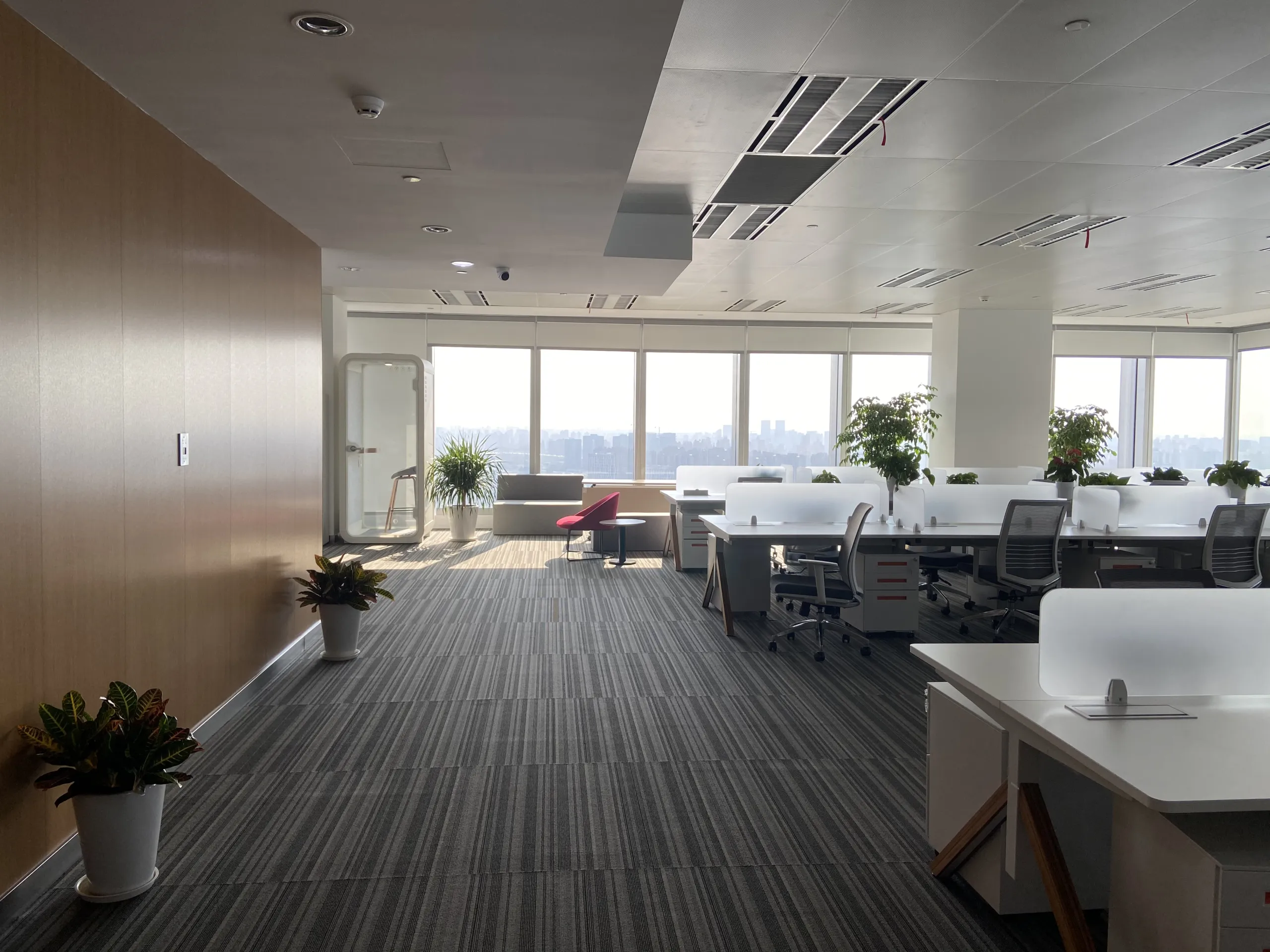
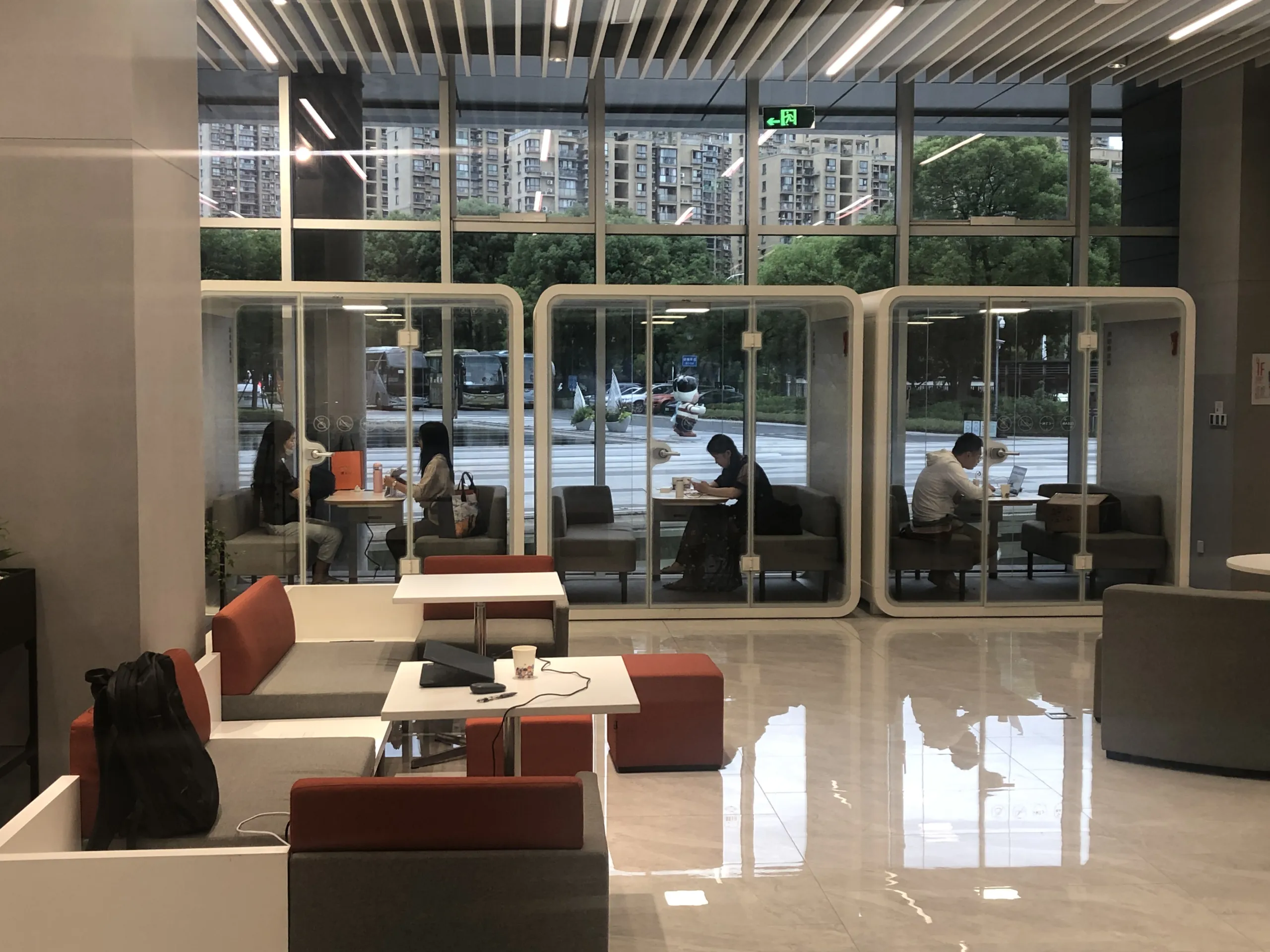
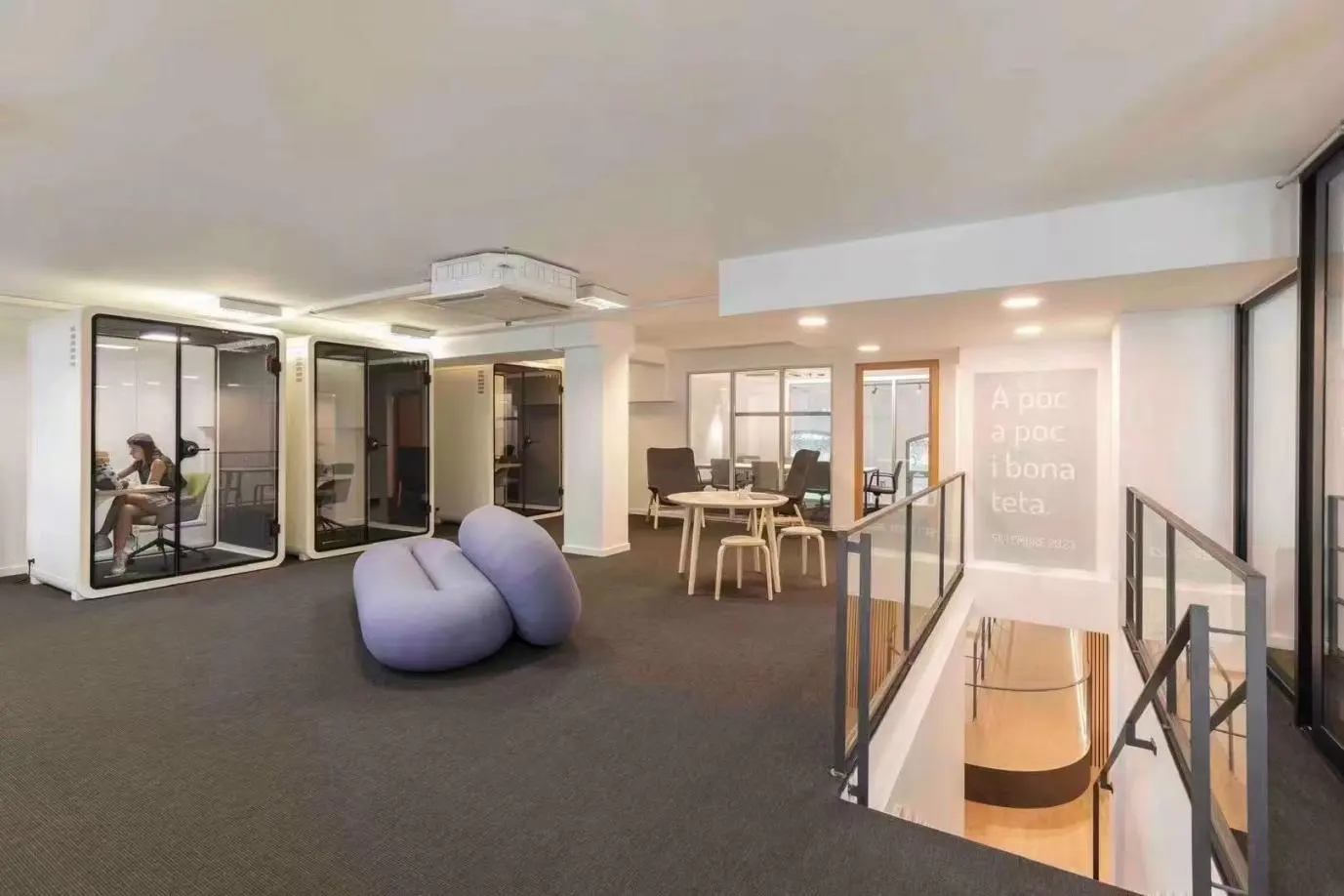
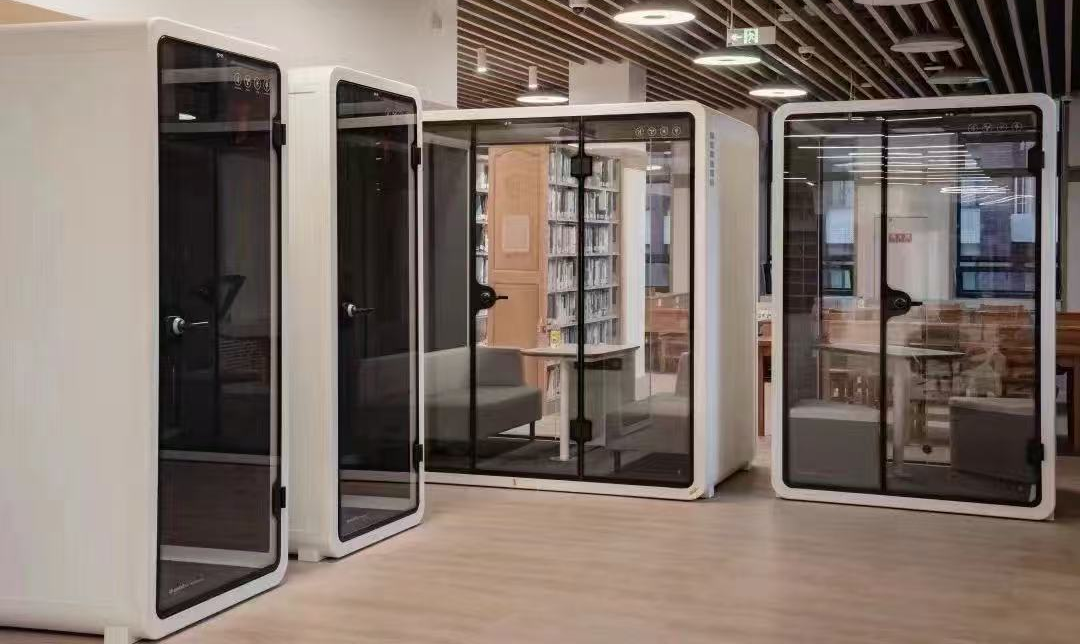
Office pods have emerged as one of the most versatile and highly effective office noise solutions for open-plan workplaces. These self-contained, semi-enclosed spaces offer employees a quiet and private refuge where they can tackle focused work or hold confidential conversations without distractions. Understanding the different types of office pods available is vital for facilities managers looking to balance noise reduction with maintaining an open-office aesthetic and functionality.
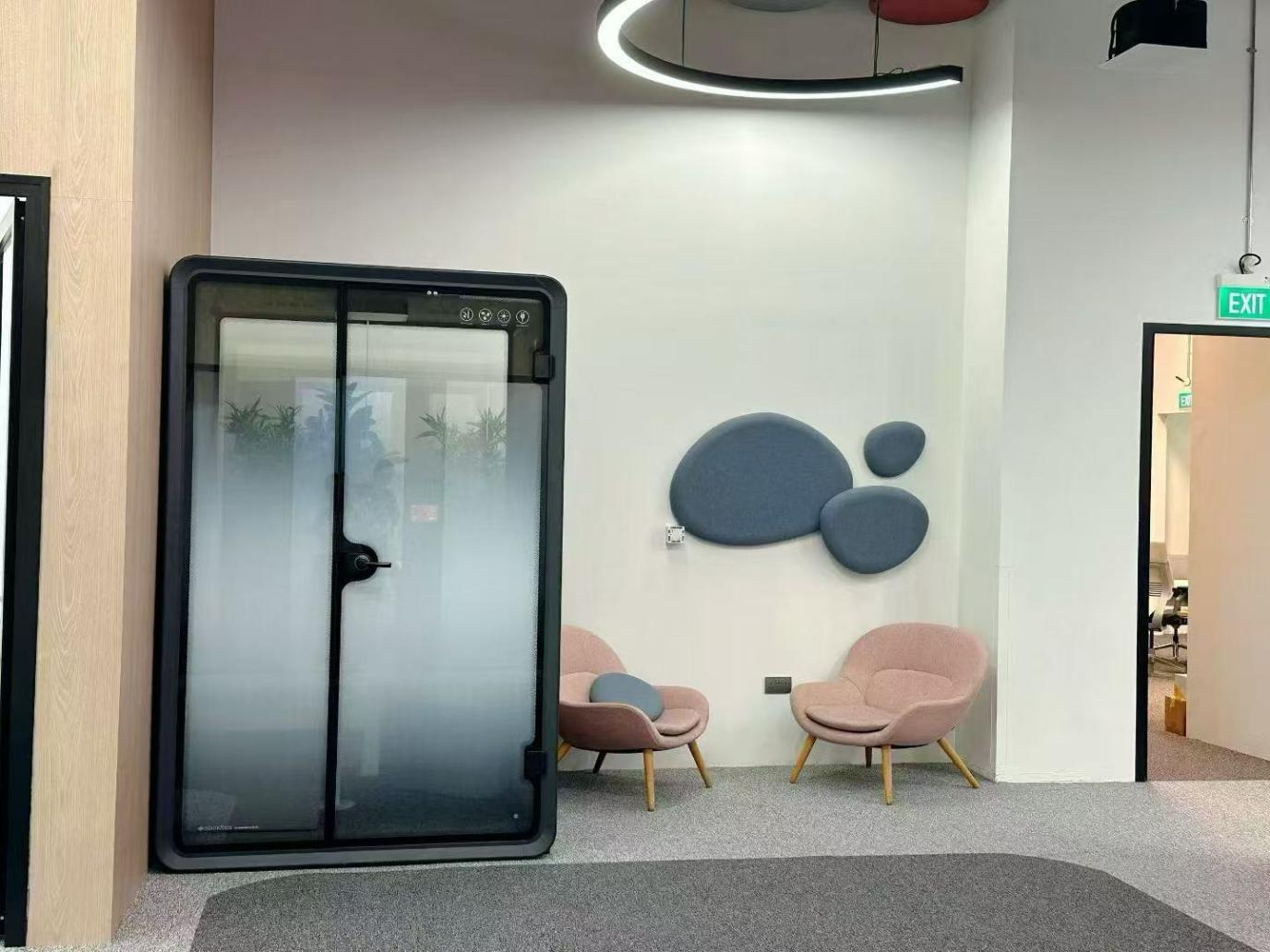
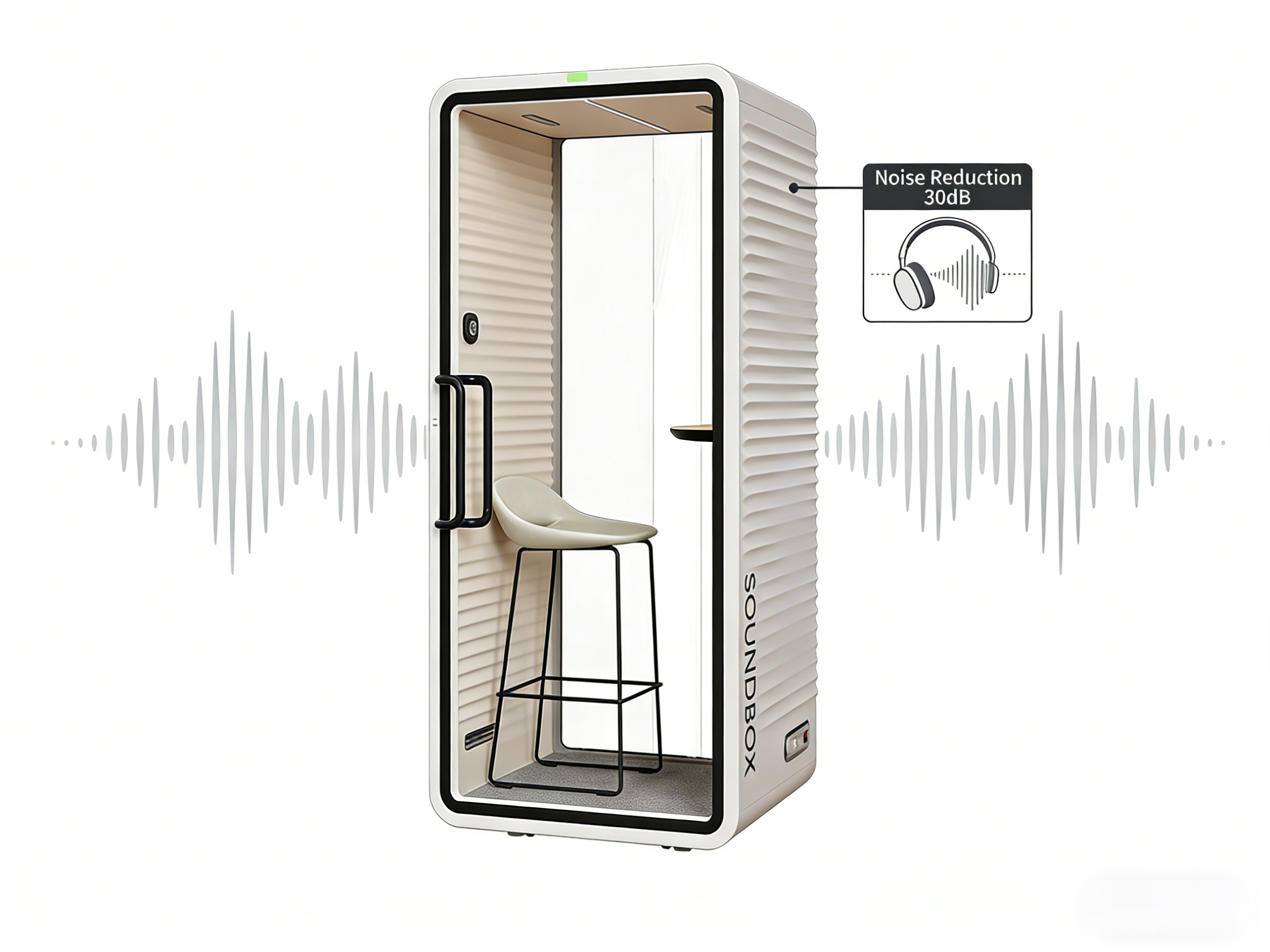
One common type is the phone booth pod, which is designed primarily for short-duration calls or video conferences. These pods are compact, often standing booths equipped with sound-absorbing interiors that significantly dampen external noise and prevent sound leakage outward. They are ideal for businesses looking to reduce distractions caused by phone conversations scattered across open floors.
Another popular variant is the work pod or focus pod, larger than phone booths and intended for individual work requiring deep concentration. These pods often contain ergonomic seating, integrated lighting, and ventilation systems, creating a comfortable mini-office environment. Walls are generally lined with acoustic panels or fabrics that absorb sound, reducing reverberations and blocking noise intrusion from the surrounding workplace.
For teams requiring small group collaboration, companies can invest in meeting pods or collaboration pods. These larger units accommodate two to six people and provide a sound-mitigated environment protected from the open office noise. Meeting pods frequently incorporate transparent materials, such as acoustic glass, to maintain an open feel while keeping acoustics under control.
Modular office pods also allow organizations to customize configurations according to their specific spatial constraints and aesthetic preferences. Many manufacturers offer pods with varying degrees of soundproofing, from highly insulated units to those delivering moderate noise reduction suitable for quieter interactions.
Beyond physical design, some office pods come equipped with additional noise-management features such as ventilation designed to minimize fan noise, integrated power and data connections, and even white noise generators to mask external sounds.
By strategically incorporating different types of office pods, organizations can provide employees with flexible zones for concentrated work, private conversations, and collaborative discussions-all while dramatically reducing ambient noise levels. This multi-type approach ensures that office pods cater to a broad range of workplace noise challenges effectively.
As we examine other noise management tools, acoustic soundproof panels play a complementary role in enhancing sound quality and reducing distractions across open office areas.
Acoustic Soundproof Panels
Acoustic soundproof panels are a foundational component of comprehensive office noise solutions. These panels are designed to absorb, dampen, or block unwanted noise, significantly improving the sound quality within open-plan offices and reducing auditory distractions that impair employee concentration.
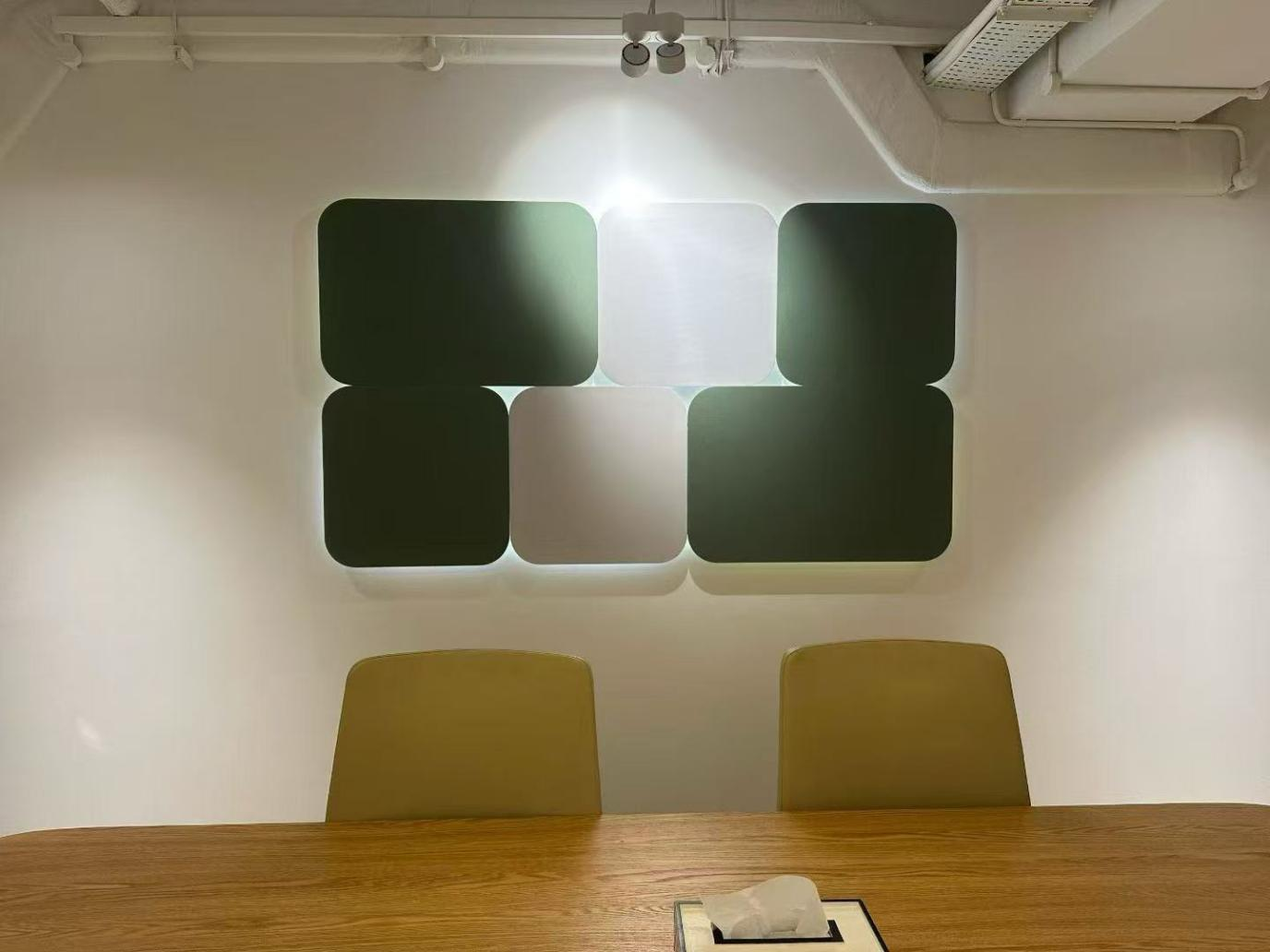
Typically mounted on walls, ceilings, or partitions, acoustic panels are made from specialized materials such as foam, fiberglass, mineral wool, or recycled polyester fibers. Their porous nature helps trap and absorb sound waves, reducing echo and reverberation-common acoustic problems in large, open spaces with hard surfaces.
There are several types of acoustic soundproof panels suitable for office settings:
Fabric-wrapped panels: These consist of a fiberglass or foam core covered in decorative fabric. They are highly effective at absorbing mid-to-high frequency sounds, such as voices and keyboard clicks, while also adding an aesthetic element to the workspace.
Wooden acoustic panels: Often designed with slats or perforations, these panels combine sound absorption with architectural style. They are best used in combination with absorptive backing materials to enhance their acoustic performance.
Polyurethane foam panels: These are lightweight and often shaped in innovative designs like wedges or pyramids to increase surface area and optimize sound absorption. While common in studios, carefully integrated foam panels can enhance office environments where soundproofing is critical.
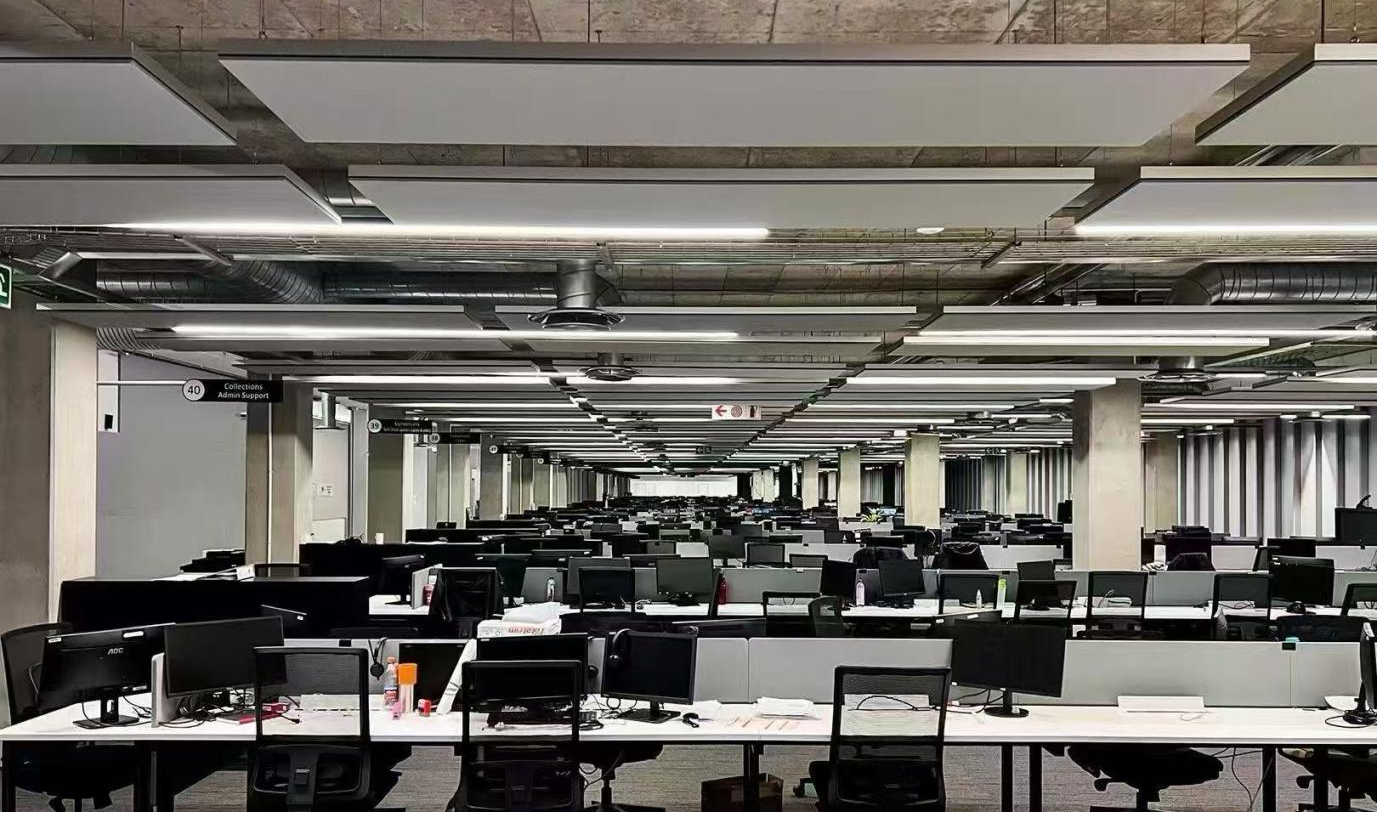
Acoustic ceiling tiles: Suspended ceiling tiles made from sound-absorbing materials help control noise levels by reducing sound reflections from hard overhead surfaces.
Implementing acoustic soundproof panels strategically throughout an office addresses both noise absorption and sound diffusion. Panels placed behind desks, around meeting areas, and on large open walls can minimize the spread and intensity of disruptive noises.
In addition to reducing noise distractions, acoustic panels contribute to privacy. By absorbing sound before it travels, these panels reduce the chance of sensitive information being overheard, an important consideration in industries that handle confidential data.
Modern acoustic panels are available in customizable sizes, shapes, and colors, allowing facilities managers to align noise control solutions with their design vision. Installation may be combined with complementary tactics such as area rugs, soft furnishings, and strategically placed storage units to further improve noise management.
By integrating acoustic soundproof panels with elements like office pods, employers can create a layered, effective approach to office noise solutions that supports both focused individual work and collaborative activity.
The following section will explore the clear practical benefits that office pods provide when incorporated into workplace designs to address noise challenges.
Advantages of Using Office Pods
Incorporating office pods into open-plan workspace designs offers several tangible benefits that directly address the challenges posed by office noise while simultaneously enhancing employee wellbeing and productivity. These advantages make office pods invaluable components of modern office noise solutions.
First and foremost, office pods provide effective sound isolation. Unlike traditional partitions, pods are enclosed structures designed with specialized sound-absorbing materials and airtight construction, significantly reducing noise transmission. This allows employees to immerse themselves in focused work or private conversations free from the distractions of ambient office chatter, phone ringing, and other common disturbances.
Office pods also introduce a much-needed sense of privacy in otherwise open and transparent environments. Employees can conduct confidential meetings, make sensitive phone calls, or simply enjoy moments of solitude without feeling exposed. This privacy not only supports workplace confidentiality but also nurtures mental wellbeing by creating spaces where staff can temporarily escape the visual and auditory stimulation of the open office.
The presence of pods supports flexible workstyles. Individuals can use pods for deep work sessions, while small teams can leverage meeting pods for collaboration without booking formal conference rooms. This flexibility promotes both independent concentration and team interaction within a single unified workspace.
From a design perspective, office pods are a space-efficient solution. Their modular nature allows organizations to make the most of available floor area by fitting pods into underutilized corners or hallway spaces, optimizing office layouts without sacrificing occupancy. Unlike constructing permanent walls, pods require minimal downtime or disruption during installation, making them ideal for evolving workplaces.
Moreover, well-designed pods contribute aesthetically to office environments. They come in various styles, colors, and finishes, enabling companies to reinforce their brand identity and foster an engaging atmosphere while integrating seamlessly with existing furniture and décor.
Studies have also linked the use of office pods to improved employee satisfaction and productivity. By enabling staff to control their acoustic environment, pods reduce stress and fatigue associated with continuous noise exposure. Employees report higher concentration levels and feel more valued when organizations invest in amenities that enhance their comfort and work experience.
When combined with other sound management tactics such as acoustic panels and noise policies, office pods form a comprehensive noise reduction strategy. This holistic approach is essential for facilities managers aiming to create flexible, productive, and harmonious open-plan workplaces.
Next, we will outline twelve practical noise reduction tactics that facilities managers can implement beyond product installations to further mitigate office noise effectively.
Implementing Noise Reduction Tactics
Facilities managers face the challenge of mitigating office noise in various ways, beyond the installation of physical products like office pods and acoustic panels. Implementing a broader set of noise reduction tactics can significantly improve the work environment by addressing both sound sources and transmission pathways. Here are twelve practical tactics that can be integrated into an office noise management strategy:
- Zoning the Workspace: Segregate noisy and quiet zones within the office layout. Designate areas for collaboration and phone use away from concentrated workspaces, allowing employees to choose environments best suited for their tasks.
- Setting Noise Guidelines: Establish clear office noise policies that encourage respectful communication volumes. Promote etiquette around phone calls, conversations, and usage of personal music devices to reduce distractions.
- Using Soft Furnishings: Incorporate rugs, carpets, curtains, and upholstered furniture to absorb sound, reducing overall noise levels and reverberation in open spaces.
- Installing Ceiling Baffles and Clouds: Hanging acoustic baffles or clouds from the ceiling can reduce sound reflections and lower ambient noise, especially in larger offices with high ceilings.
- Implementing White Noise Systems: Employ white noise or sound masking systems to create a consistent background sound that masks speech and other sudden noises, improving privacy and focus.
- Maintaining Equipment: Ensure office machinery and HVAC systems are well-maintained and operate quietly, preventing mechanical noises from contributing to the noise environment.
- Encouraging Remote Work: When possible, support flexible working arrangements that minimize the number of people in the office simultaneously, reducing noise density.
- Providing Quiet Rooms or Phone Booths: Alongside office pods, designate dedicated quiet zones and private booths to support focused or confidential activities.
- Adjusting Workstation Layouts: Position desks strategically to minimize direct exposure to noise sources and install movable partitions where necessary.
- Educating Employees: Conduct training sessions to raise awareness about the impact of noise and encourage behaviors that contribute to a quieter work environment.
- Utilizing Plants: Strategic placement of dense indoor plants can help absorb sound and improve air quality, adding to employee comfort.
- Monitoring Noise Levels: Employ noise level monitoring tools to identify hotspots and measure the effectiveness of interventions, allowing for data-driven adjustments.
By combining these tactics with physical office noise solutions like pods and acoustic panels, facilities managers can develop a comprehensive strategy that reduces distractions, enhances privacy, and boosts productivity.
In the next section, we will review real-world case studies showcasing the successful implementation of noise reduction strategies in various office environments.
Case Studies of Effective Noise Reduction
Numerous organizations have successfully addressed office noise challenges by implementing comprehensive noise reduction strategies that combine physical solutions with behavioral policies. One notable example is a leading technology company based in Silicon Valley that incorporated modular office pods alongside extensive use of acoustic panels and white noise systems. This multi-layered approach resulted in a reported 30% increase in employee productivity and a significant boost in workplace satisfaction within six months.
Similarly, a multinational consulting firm headquartered in London adopted an office redesign that included designated quiet zones, collaborative meeting pods, and noise monitoring systems to identify problematic areas. Post-implementation surveys revealed a 40% reduction in reported noise disturbances and improved team collaboration, demonstrating the value of targeted noise management.
In Australia, a financial services office implemented flexible remote working policies in conjunction with physical noise mitigation, including phone booths and acoustic ceiling treatments. This holistic strategy not only improved focus and reduced stress but also contributed to a 25% decline in employee turnover related to environmental dissatisfaction.
These case studies demonstrate that strategic investment in office noise solutions-blending innovative products like office pods with sound absorption technologies and informed workplace practices-can deliver measurable benefits in productivity, employee wellbeing, and overall operational success.
The following section will highlight related products and services that can assist facilities managers in advancing their office noise reduction initiatives.
Related Products and Services
To further support facilities managers in implementing effective office noise solutions, a variety of specialized products and services are available that enhance acoustic comfort and privacy. Soundbox Booth, for example, offers a comprehensive range of customizable office pods designed to suit diverse workplace needs, from small focus pods ideal for solo work to larger collaboration pods for meetings. Each pod incorporates advanced acoustic insulation technologies and ergonomic features to maximize both comfort and sound isolation.
In addition to office pods, a selection of acoustic soundproof panels and ceiling solutions can be tailored for specific noise reduction requirements, integrating seamlessly into existing office designs. These panels come in various materials, thicknesses, and aesthetics, enabling businesses to combine functionality with visual appeal.
Complementing product offerings, professional acoustic assessment and consulting services help organizations identify noise issues through detailed analysis and devise tailored mitigation strategies. Facilities managers can leverage these expert evaluations to prioritize interventions and measure post-implementation effectiveness.
Furthermore, ongoing maintenance and support services ensure that acoustic installations and equipment continue operating at peak performance, preserving a quiet and productive office environment over time.
By partnering with established providers who offer both innovative products and expert services, workplaces can implement comprehensive, flexible, and sustainable office noise solutions that address the evolving needs of modern employees.
With these resources, facilities managers are well-equipped to create quieter, more comfortable open-plan offices that enhance focus, collaboration, and employee satisfaction.