Classroom Acoustic Design: Overlooked Adolescent Hearing Health and Learning Efficiency
In modern educational environments, we frequently focus on teaching content, faculty strength, and hardware facilities, yet we often overlook a crucial factor—the classroom’s acoustic environment. A noisy classroom with severe echoes not only seriously affects students’ listening efficiency but, over the long term, may cause irreversible damage to adolescents’ hearing health. This article will explore the importance of classroom acoustic design in depth and introduce how professional acoustic solutions can create an ideal learning and teaching space for both students and teachers.
The Invisible Hazards of Noise
Classroom noise primarily originates from external traffic, campus activities, adjacent classrooms, and the students’ own activities. These noises, especially persistent background noise and excessive reverberation times, pose multiple threats to learning outcomes and physical and mental health:
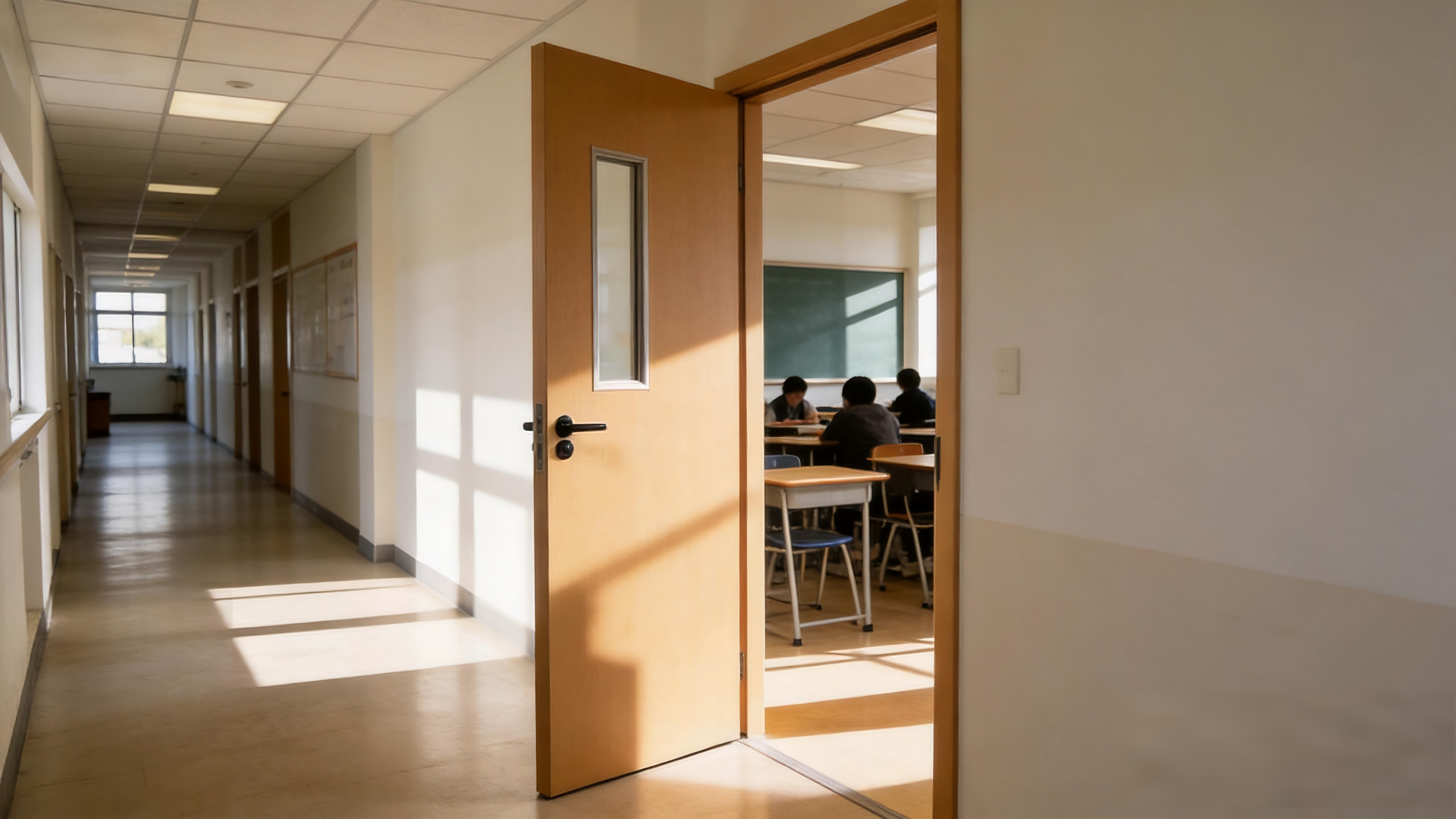
- Impact on Speech Intelligibility: When the reverberation time in a classroom is too long, sound reflects multiple times within the space, causing speech to become blurred and unclear. This makes it difficult for students to accurately capture the teacher’s lecture. Research indicates that for every 10% decrease in speech intelligibility, students’ learning efficiency drops by 5-10%.
- Increased Hearing Fatigue and Risk of Damage: Long-term exposure to high-noise environments keeps students’ auditory systems in a state of constant tension, easily leading to hearing fatigue. The World Health Organization points out that continuous exposure to noise exceeding 75 decibels can lead to permanent hearing damage.
- Distraction and Cognitive Load: Noise forces students to invest more cognitive resources into filtering out interference, thereby reducing the capacity available for understanding and remembering instructional content. This leads to a lack of concentration and low learning efficiency.
l Impact on Teacher Health: To ensure students can hear clearly, teachers are forced to raise their voices. High-intensity vocal use over a long period is highly likely to trigger vocal cord diseases.
Core Elements of Classroom Acoustic Design
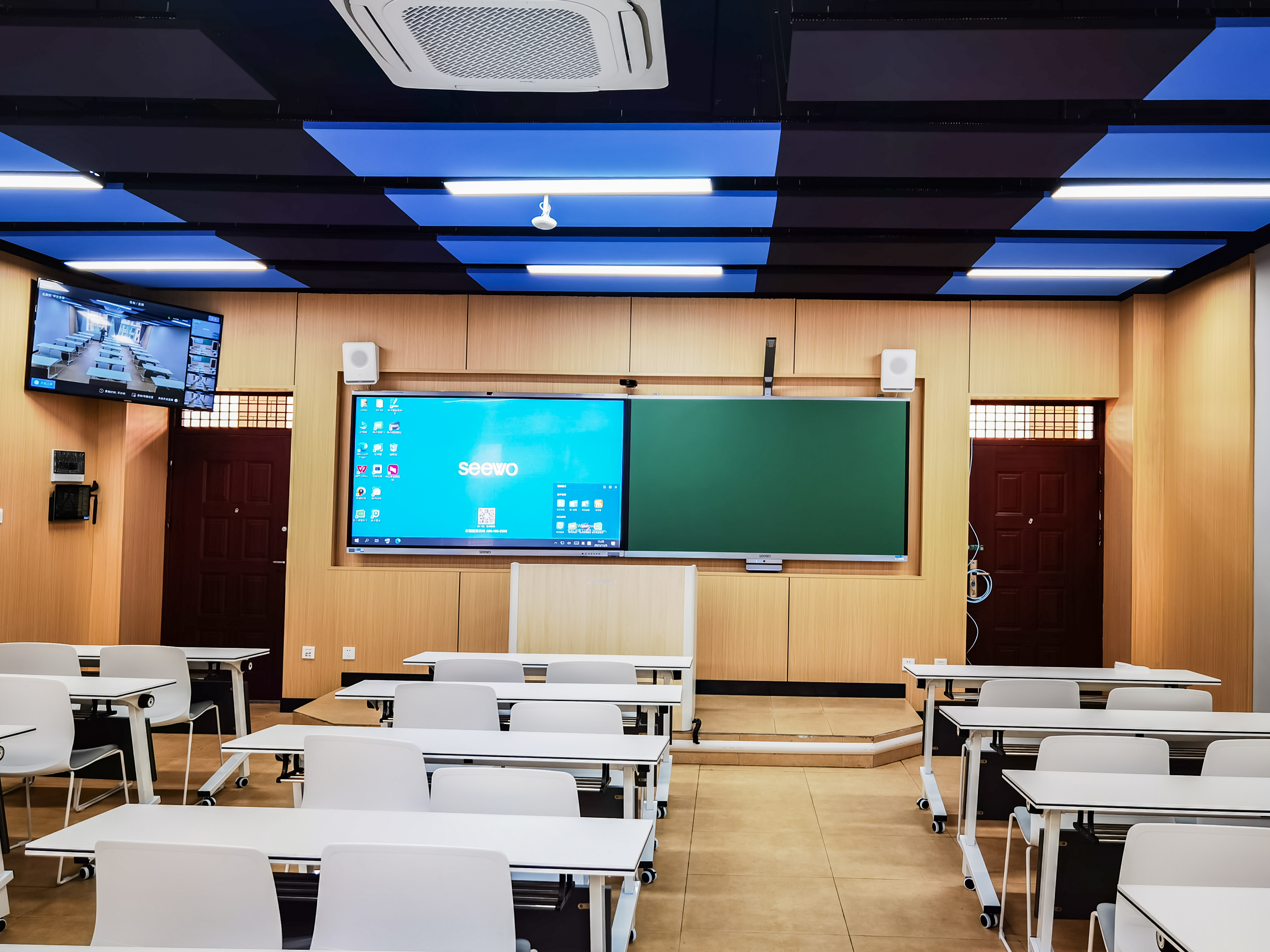
Excellent classroom acoustic design aims to optimize sound propagation paths, control reverberation time, and effectively block external noise. Its core elements include:
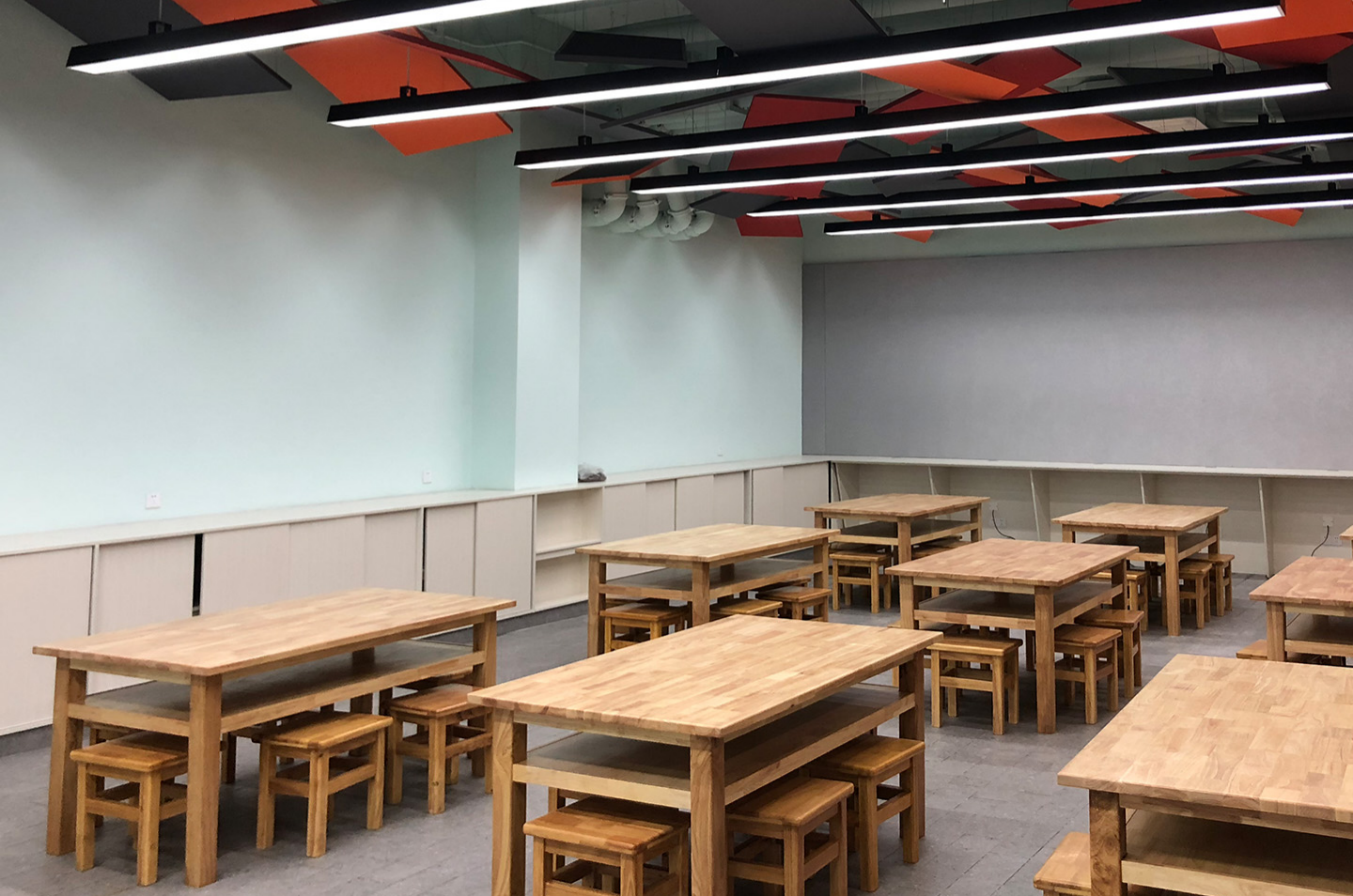
- Reverberation Time Control: For classrooms, excessive reverberation time leads to blurred sound, while a time that is too short makes the sound feel dry. According to international standards, the ideal reverberation time for an ordinary classroom should be controlled between 0.6 and 0.8 seconds. Achieving this control primarily relies on sound-absorbing materials, which absorb sound energy and reduce sound reflections within the space.
- Blocking External Interference: Soundproofing is the key to preventing external noise from entering the classroom. This requires addressing architectural structures and weak points such as doors and windows. Using high-density, multi-layer composite structure partition walls can effectively block noise from adjacent classrooms or corridors. Since ordinary doors and windows are weak links in sound insulation, professional soundproof doors and windows—utilizing multi-layer glass, special sealing strips, and heavy door leaves—can significantly increase sound insulation.
- Spatial Layout and Equipment Selection: A reasonable classroom layout, such as separating noisy areas from quiet areas and choosing low-noise air conditioners and projectors, can also reduce noise at the source.
Conclusion
Soundbox has been deeply rooted in the acoustic field for over a decade. With more than 200 acoustic patents and the testing capabilities of a CNAS-accredited laboratory, we provide one-stop solutions for various educational institutions, ranging from acoustic design consultation to product supply and installation guidance. Choose Soundbox to provide a more comfortable and efficient teaching environment for students and teachers.