How to Reduce Office Noise: Practical Strategies for Workplace and Facilities Managers
Reducing office noise is a critical task for workplace and facilities managers aiming to create a productive and comfortable environment. Excessive noise distractions can lead to decreased focus, higher stress levels, and diminished employee satisfaction. This guide offers a clear roadmap to reduce office noise, combining immediate, low-cost actions with longer-term acoustic upgrades that can significantly enhance workplace acoustics.
The approach begins with understanding basic noise standards and measurement techniques so you can accurately assess your office’s noise challenges. Next, it presents practical behavioral and environmental changes that require little expense but yield notable improvements. Finally, it covers more substantial upgrades like physical modifications and acoustic solutions designed to address persistent or complex noise issues.
By following these steps, workplace and facilities managers can prioritize interventions based on severity and budget considerations. Starting with quick wins such as establishing quiet zones and promoting meeting etiquette helps build awareness and buy-in. As needs grow, implementing solutions like office acoustic panels or noise masking systems offers scalable options that deliver measurable benefits in speech privacy and overall sound quality.
This comprehensive strategy ensures managers are equipped not only to reduce office noise effectively but also to make informed decisions that balance cost, comfort, and employee well-being. Whether managing open-plan offices, hybrid spaces, or traditional layouts, the actions outlined here serve as a foundation for creating quieter, more productive workplaces.
Office Noise Solutions: Quick Wins and Long-Term Fixes
Effective office noise solutions require a tiered strategy that begins with simple behavioral and policy adjustments, advances through low-cost acoustic enhancements, and, when necessary, escalates to scalable engineering controls and professional acoustic interventions. This approach enables workplace and facilities managers to address noise challenges incrementally, balancing immediacy, impact, and budget.
Behavioral and Policy Changes
The first line of defense in reducing office noise involves shaping occupant behavior and establishing clear noise-related policies. Introducing designated single-focus zones helps minimize distractions by creating quiet areas reserved for tasks requiring intense concentration. This zoning approach enables employees to self-select spaces tailored to their work needs, balancing collaboration with quiet productivity.
Establishing meeting etiquette is another effective step. Encouraging employees to keep voices low during calls, use meeting rooms for group discussions, and avoid loud conversations in open areas fosters a respectful acoustic culture. Simple policies like limiting phone calls to designated zones or using chat platforms instead of spoken conversations can significantly reduce ambient noise levels without any cost.
Low-Cost Acoustic Add-Ons
For offices where behavioral changes need support, affordable acoustic add-ons can dampen sound reflections and absorb background noise. Installing desk screens or desktop partitions helps block direct sound paths between workstations, enhancing speech privacy and reducing distractions. Similarly, placing area rugs or carpet tiles softens floor reflections, particularly in hard-surfaced offices, helping to control reverberation and overall noise.
Other options include adding fabric curtains, acoustic desk pads, and bookcases filled with books that act as absorptive barriers. These measures are relatively inexpensive, easy to implement, and provide noticeable noise reduction when combined with behavioral policies.
Scalable Engineering Controls
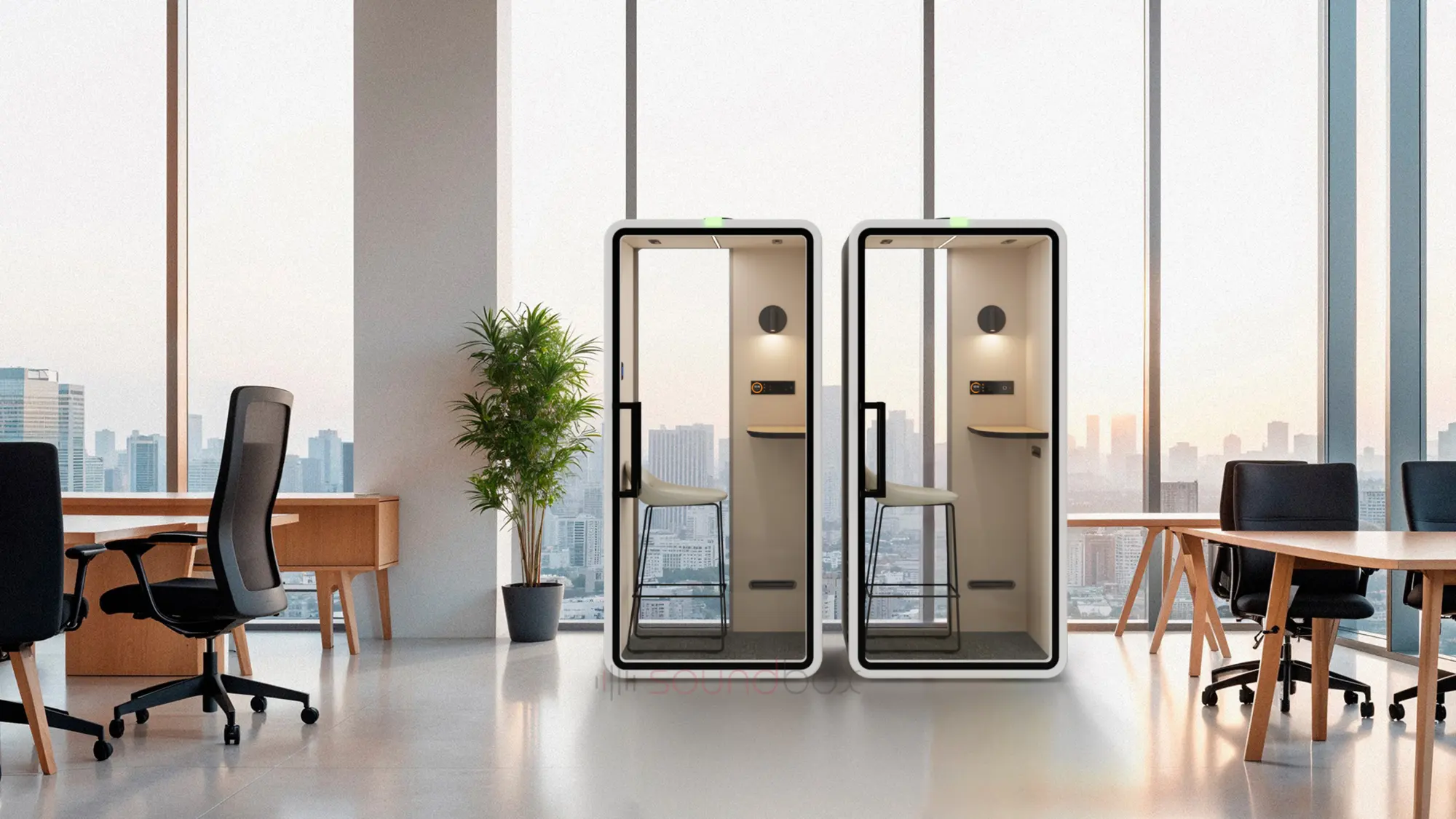
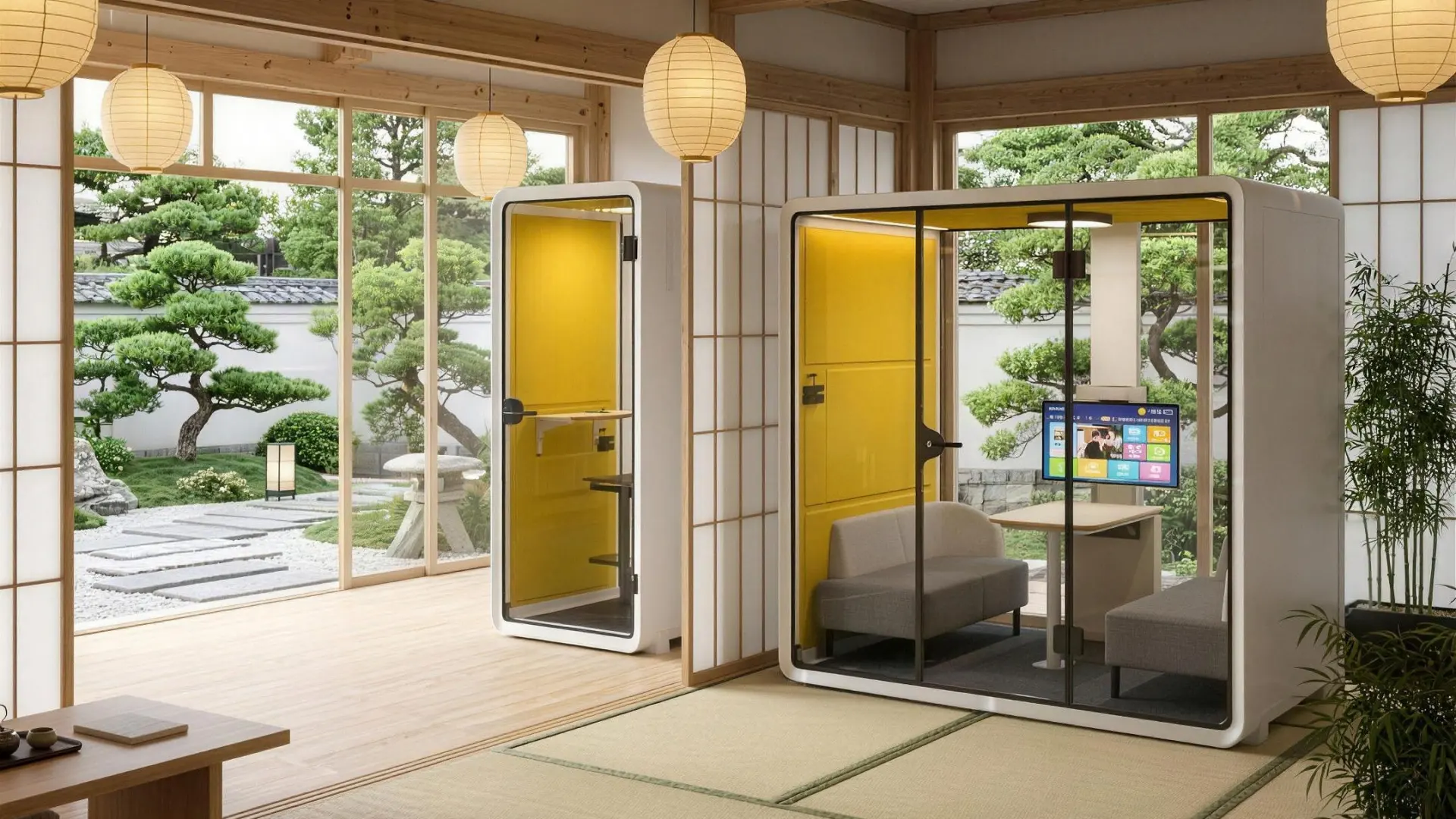
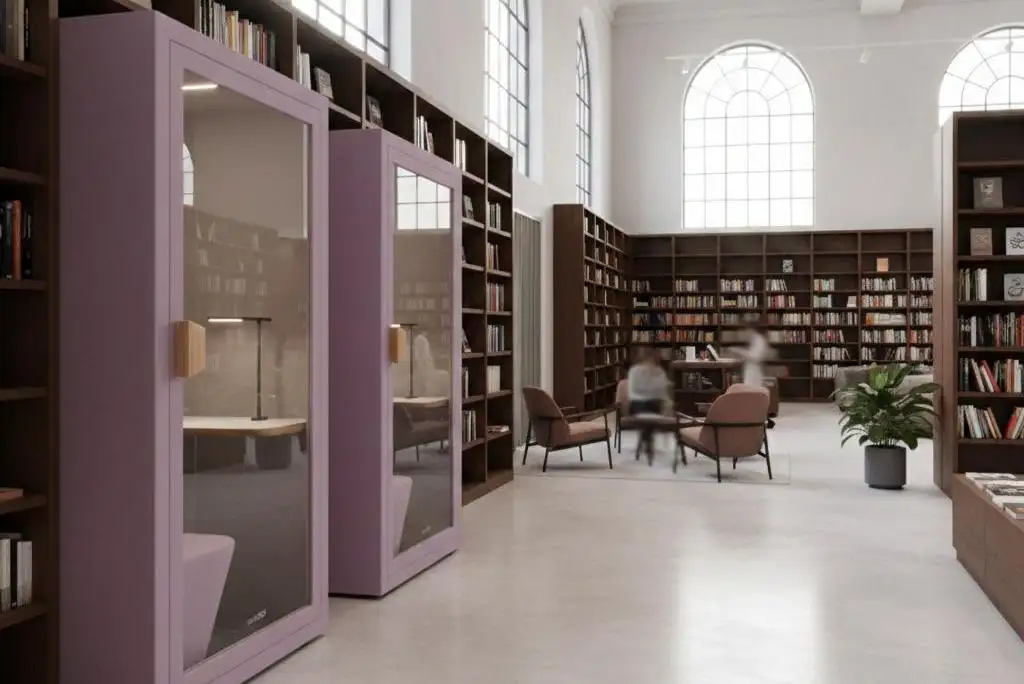
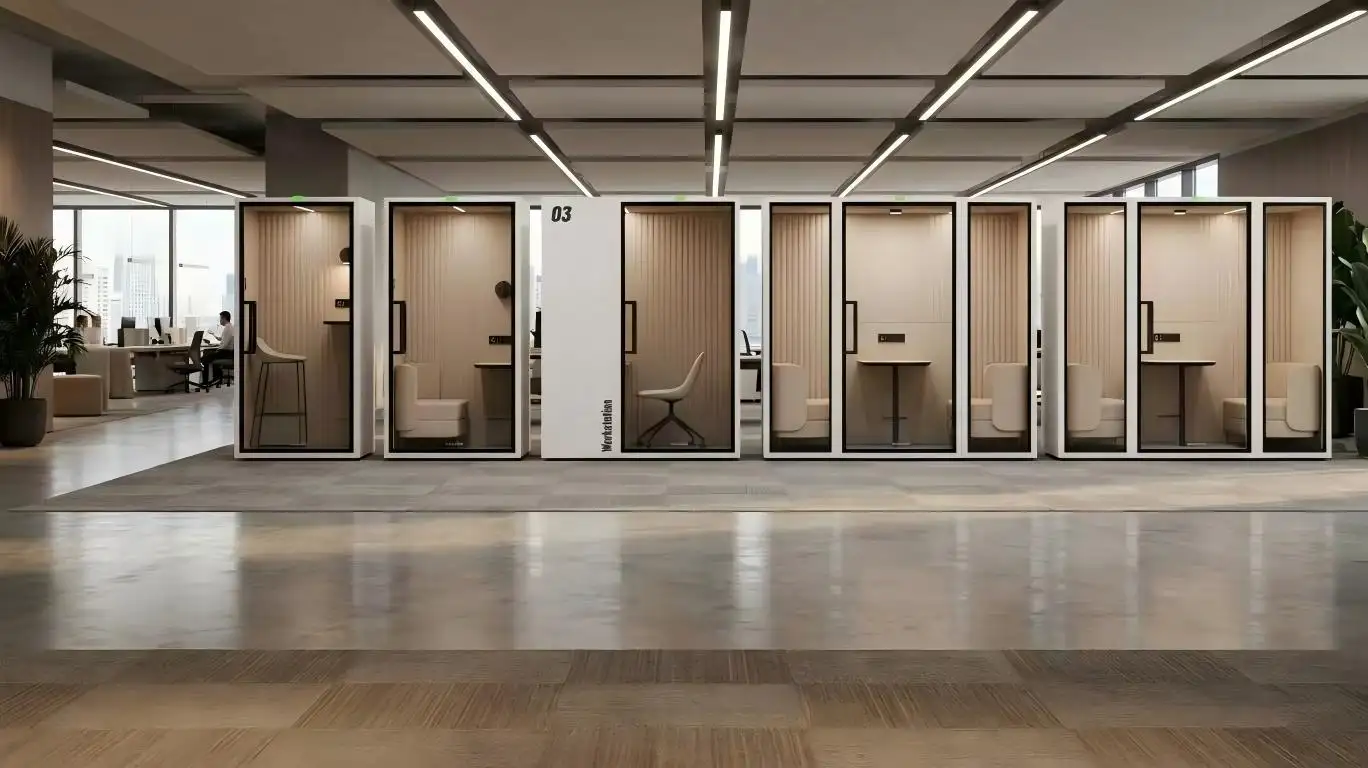
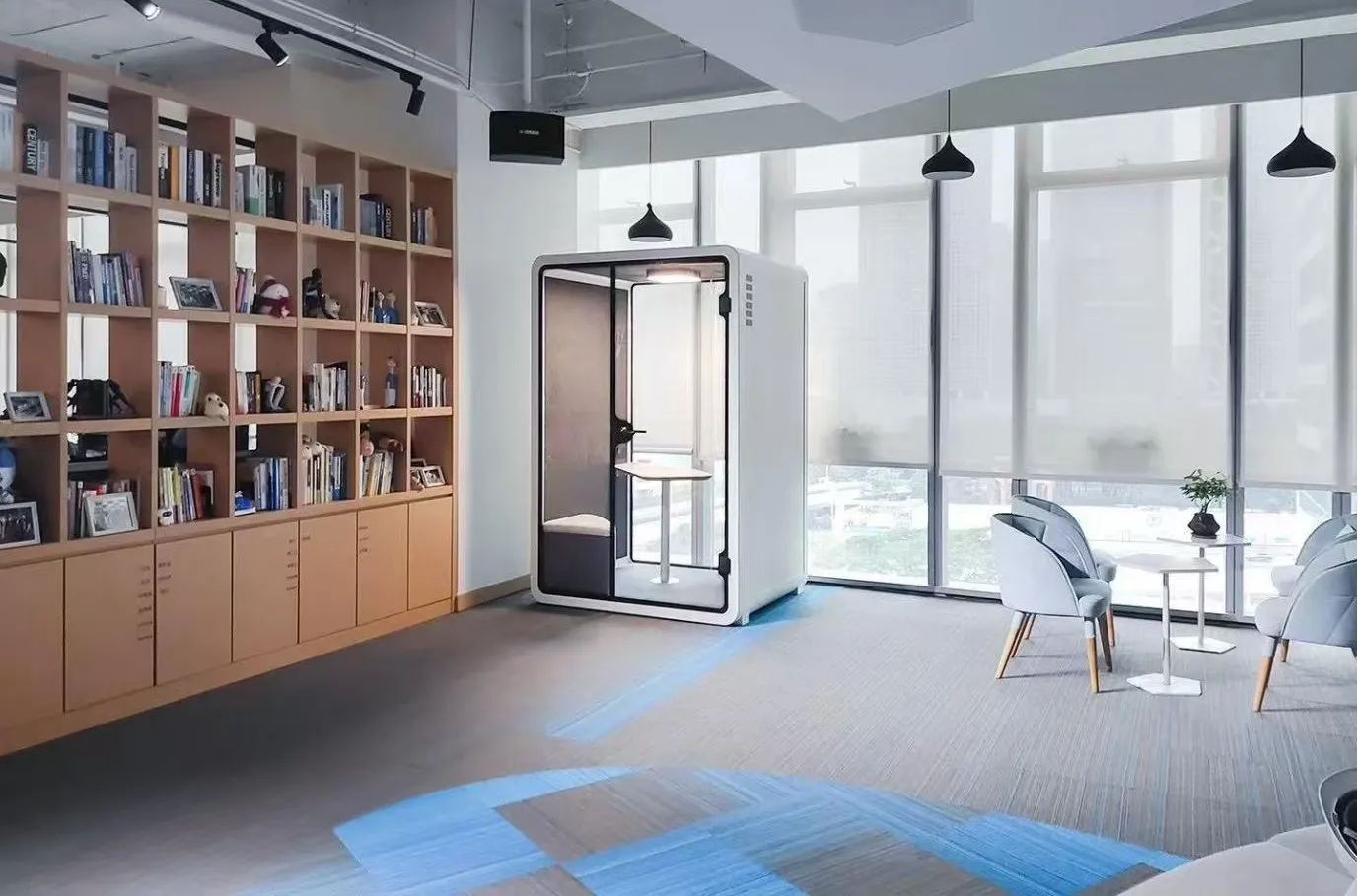
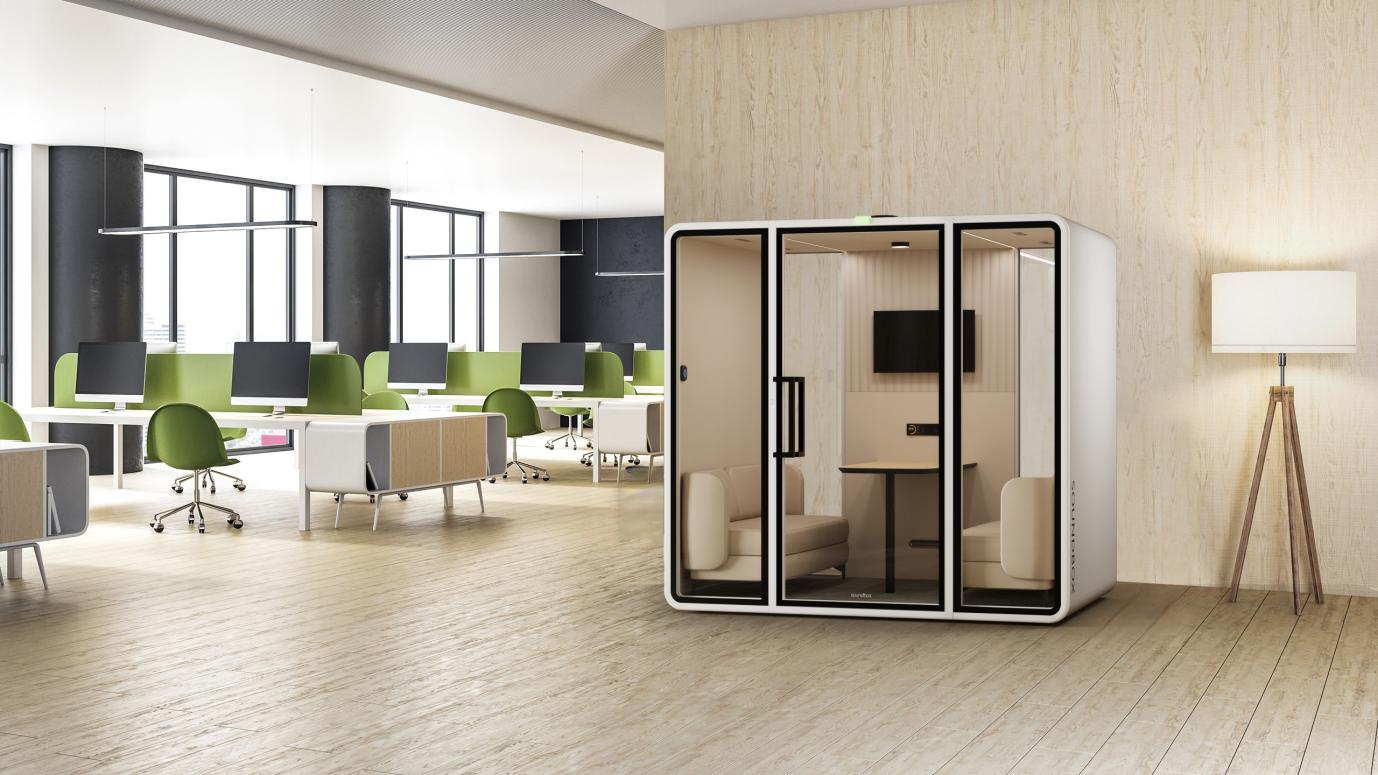
If noise problems persist beyond quick fixes, more substantial workspace reconfiguration may be required. This includes creating dedicated quiet roomsdedicated quiet roomsquiet rooms or phone booths where employees can retreat for calls or focused work, designed with high Noise Reduction Coefficient (NRC) materials to maximize sound isolation.
Rearranging office layout to increase spacing between noisy and quiet zones, adding wall-mounted acoustic panels, or installing suspended baffles from ceilings help to control sound reflections and direct noise away from sensitive areas. Facilities managers may also consider upgrading HVAC systems or equipment with noise-reduction features to decrease overall background noise.
When to Escalate
Knowing when to move beyond quick fixes is crucial. If noise complaints continue despite behavior-based policies and low-cost additions, or if certain areas consistently exceed acceptable noise levels (typically above 45 dB for office environments), it’s time to consult acoustic professionals. These experts can perform detailed sound measurements, recommend custom solutions like advanced noise masking systems, and assist with architectural modifications tailored to your space.
In summary, a tiered office noise solution strategy enables smooth progression from simple, low-cost steps to comprehensive engineering interventions. This approach ensures facilities managers can effectively reduce office noise while managing resources and minimizing disruption to daily operations.
Acceptable Noise Levels in the Workplace: Standards &Measurement
Creating a productive and comfortable office environment starts with understanding what constitutes acceptable noise levels in the workplace. Generally, office noise is measured in decibels (dB), with speech privacy and overall noise comfort targeted within established industry standards to minimize distraction and stress.
Typical Noise Level Standards
According to guidelines from organizations such as ANSI (American National Standards Institute) and ISO (International Organization for Standardization), acceptable noise levels in commercial office environments typically range between 40 to 45 dB(A) during working hours. This range corresponds roughly to the sound level of a quiet library to a moderate conversation, which supports concentration without creating a sterile or isolating ambiance.
Speech privacy ratings are also essential in office acoustics. Achieving a privacy sound level of approximately NC-30 (Noise Criteria) or a speech privacy class of “Confidential” to “Normal” helps ensure that conversations in one workspace are not easily overheard in adjacent areas, maintaining confidentiality and reducing distractions.
Factors Influencing Noise Acceptability
Acceptable noise levels can vary based on office layout-open-plan offices generally require more attention to noise management compared to private offices due to lack of physical barriers. Additionally, the type of work performed affects tolerance; tasks requiring intense focus need quieter conditions, whereas collaborative workspaces may accept slightly higher noise levels.
Measuring Office Noise
Facilities managers should regularly measure noise levels to assess whether their environment meets acceptable standards and to identify problem areas. While professional acoustic consultants use calibrated sound level meters, there are practical steps managers can take independently:
Calibrated Sound Level Meters:** These offer the most accurate measurements and are preferred for formal assessments. They provide dB readings weighted to human hearing sensitivity (dB(A)) and can record averages and peaks over time.
Smartphone Apps: Various noise measurement apps can give quick, approximate readings using the phone’s built-in microphone. While these are less precise, they are useful for initial surveys or ongoing monitoring. It’s advisable to calibrate the app against a known sound level meter or use apps with professional endorsements.
Basic Measurement Procedure
- Identify Locations: Measure noise at typical workstations and common areas, especially near noise sources such as printers, HVAC vents, and meeting zones.
- Measure During Peak Hours: Noise levels should be recorded during busy periods to capture realistic conditions.
- Take Multiple Readings: Collect readings at different times and positions to build an accurate noise profile.
- Record and Compare:** Document readings and compare them to the target dB thresholds (40-45 dB) to determine if interventions are needed.
Using Measurement Data
Once noise levels are understood, facilities managers can prioritize solutions effectively. For example, areas exceeding 50 dB consistently may require installation of acoustic panels or noise masking systems, while spaces measuring close to acceptable levels might benefit from behavioral policies or desk partitions.
By combining knowledge of acceptable noise levels with practical measurement, workplace and facilities managers gain a powerful baseline to tailor office noise solutions that enhance employee comfort and productivity.
Office Acoustic Panels: Types, Placement, and ROI
Office acoustic panels are one of the most effective long-term solutions to reduce office noise and improve speech privacy. They come in various types, each offering unique benefits depending on your office configuration and noise challenges. Understanding the differences between fabric-wrapped panels, acoustic baffles, and modular acoustic booths, as well as knowing where and how to place these panels, can maximize their impact. Additionally, evaluating the return on investment (ROI) helps justify budget allocations by linking costs with productivity and privacy benefits.
Types of Office Acoustic Panels
Fabric-Wrapped Panels
These are flat panels covered with decorative, acoustically transparent fabric that absorbs sound waves, reducing reverberation and echo. They are typically mounted on walls at reflection points-spots where sound bounces off hard surfaces-which helps to minimize sound traveling across the office. Fabric-wrapped panels come in various thicknesses and sizes, allowing customization for different noise frequencies and aesthetics.
Acoustic Baffles
Suspended from the ceiling, acoustic baffles are uniquely designed panels that absorb sound vertically and horizontally. They are ideal for open-plan offices or areas with high ceilings where noise reflections from above contribute to overall disturbance. Baffles can be arranged in linear or staggered patterns to break up sound pathways and reduce ambient noise levels significantly.
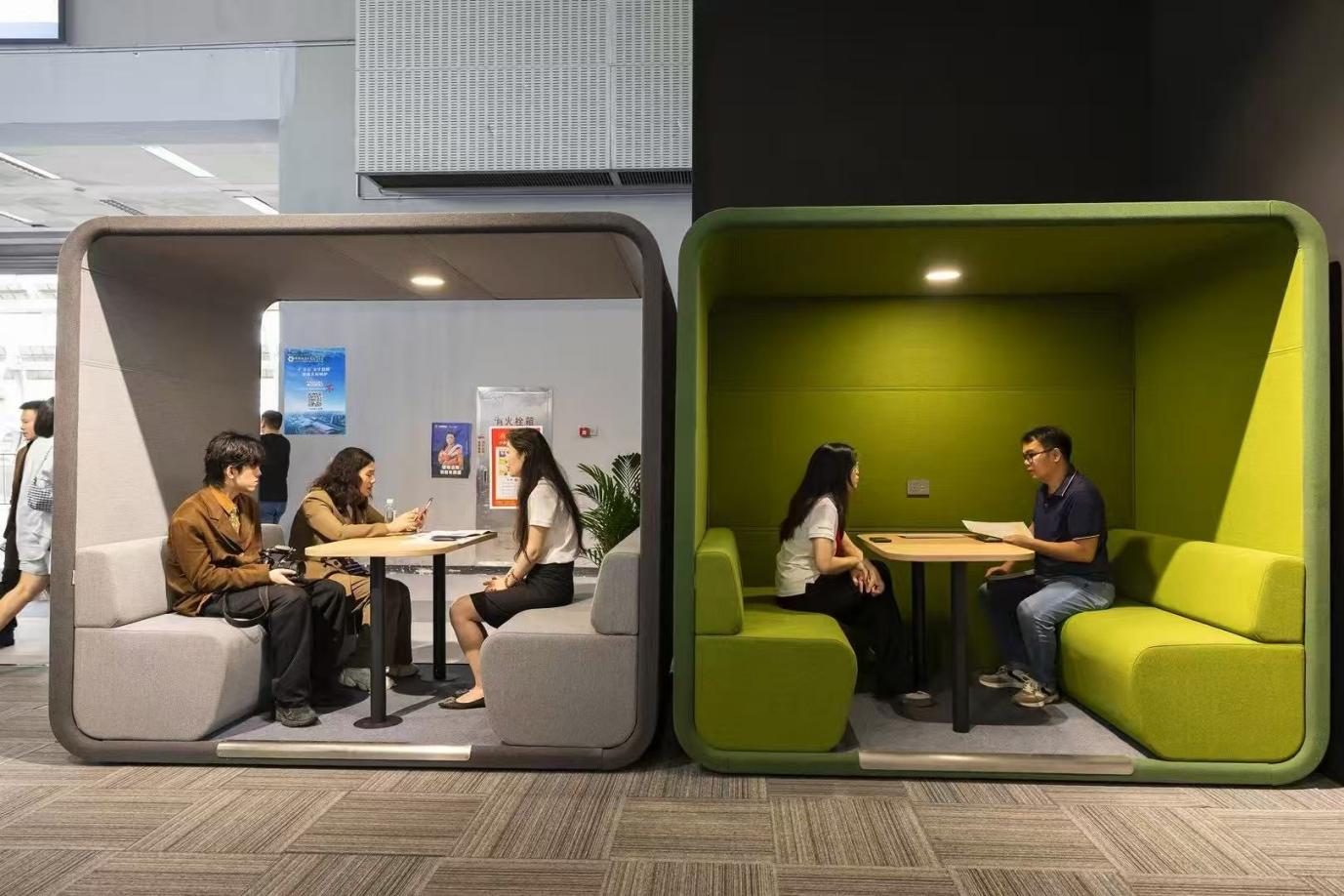
Modular Acoustic Booths
These are enclosed or semi-enclosed structures that provide sound isolation for private calls, focused work, or small meetings. Modular booths often feature high NRC (Noise Reduction Coefficient) materials and specialized construction methods to block external noise and contain internal sounds. While more costly and space-consuming, they offer the highest level of speech privacy and noise control in busy office environments.
Placement Rules of Thumb
Target Reflection Points: Identify locations where sound waves bounce from one surface to another, often behind or beside noise sources such as workstations or meeting areas. Mount wall panels here to reduce echo and noise transmission.
Ceiling Coverage with Baffles: Install baffles in open spaces with hard ceilings to absorb sound from above. Proper spacing and coverage (typically 15-25% of the ceiling area) optimize their effectiveness.
Partitions and Dividers: Incorporate panels into desk partitions or standalone dividers between workstations to block direct noise paths and improve speech privacy without obstructing sight lines fully.
Near Noise Sources: Place acoustic treatments close to persistent noise origins such as printer stations, break rooms, or collaborative zones to minimize sound spread.
ROI Considerations for Office Acoustic Panels
While upfront costs of acoustic panels and installation can vary-from moderate for fabric-wrapped panels to higher for baffles and booths-the long-term benefits often justify the investment:
Increased Productivity: Studies show that reducing office noise distractions can improve focus and task completion rates by up to 20%, translating to measurable gains in employee output.
Enhanced Employee Satisfaction: Improved acoustics reduce stress and fatigue, contributing to better morale and lower turnover rates, saving recruitment and training costs.
Speech Privacy and Confidentiality: Particularly in offices handling sensitive information, acoustic panels help maintain privacy, aiding compliance with data protection regulations.
Energy Savings: Some acoustic treatments also contribute to thermal insulation, indirectly lowering heating and cooling expenses.
Facilities managers can present these ROI factors combined with decibel reduction metrics and case studies to justify budget requests. Many vendors, including Soundbox Booth, offer productivity calculators and acoustic consultations to estimate expected improvements and payback timelines.
Summary Checklist for Acoustic Panel Implementation
Conduct a noise assessment to identify key problem areas and reflection points.
Select panel types suited to your office layout and noise reduction goals.
Plan installations to maximize coverage at reflection points, ceilings, and between workstations.
Calculate ROI based on anticipated productivity and privacy benefits.
Coordinate installation schedules to minimize disruption to daily operations.
Evaluate post-installation noise levels and employee feedback to verify effectiveness.
By strategically selecting and placing office acoustic panels with a clear understanding of costs and benefits, workplace and facilities managers can make impactful investments that significantly reduce office noise and enhance the overall workplace environment.
Noise Masking Systems & White Noise Machines: Pros, Cons, and When to Use Them
Comparing white noise machines and enterprise noise masking systems is essential for choosing the right technology to effectively reduce office noise and enhance speech privacy in your workplace. Both solutions work on the principle of sound masking-adding a controlled background sound that reduces the intelligibility of distracting conversations and ambient noise-however, they differ significantly in scale, sophistication, and suitability for various office environments.
White Noise Machines for Small Zones
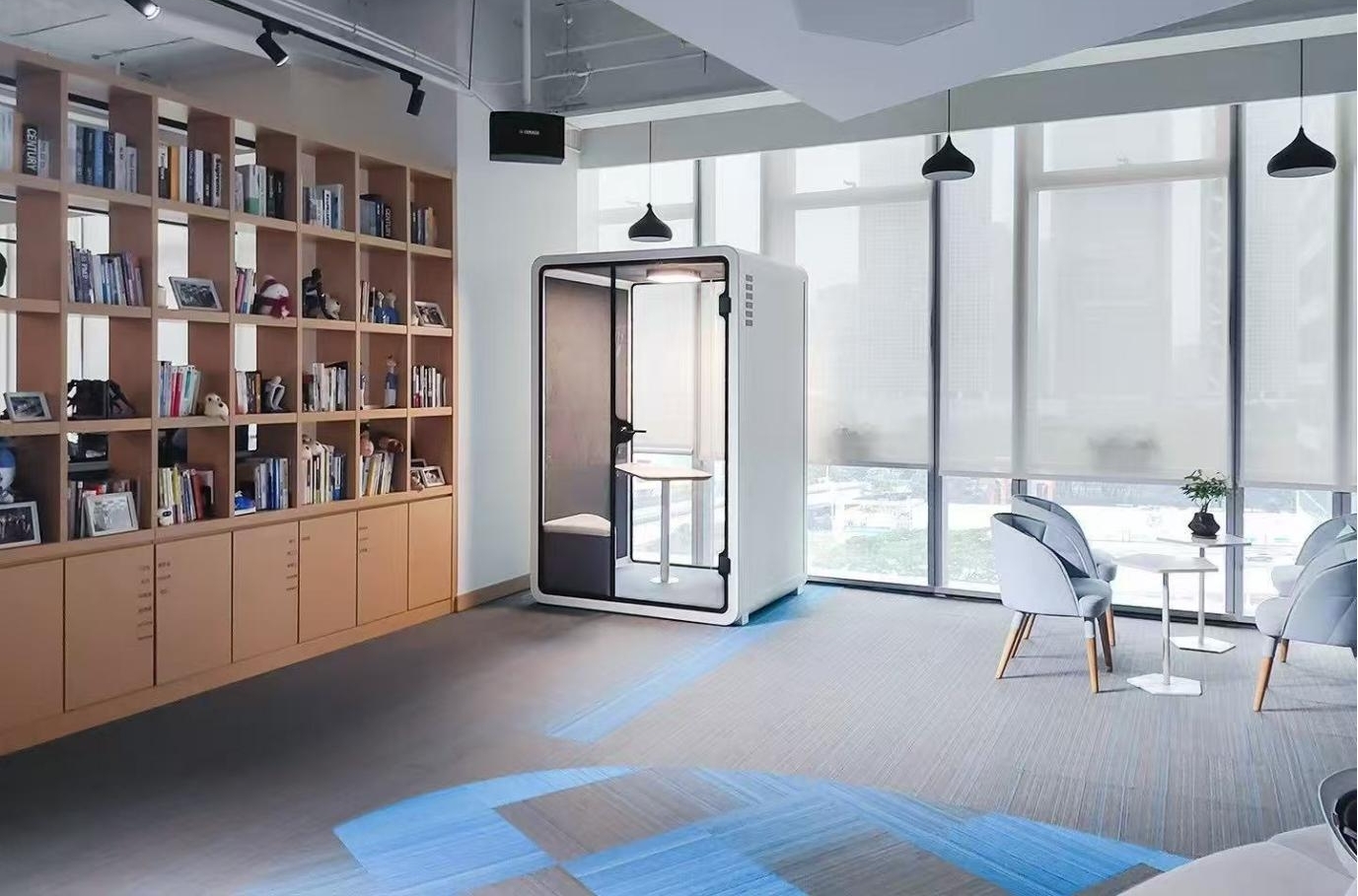
White noise machines generate a steady ambient sound, often resembling static or gentle natural sounds, designed to mask disruptive noises in small, localized areas such as private offices, phone booths, or individual workstations. These devices are relatively affordable and easy to install, requiring minimal technical expertise.
Pros:
Cost-effective and portable, allowing quick deployment where needed.
Simple controls to adjust volume and sound type for user comfort.
Ideal for small spaces with limited occupants.
Cons:
Limited coverage; not effective for larger open areas.
Non-customizable sound profiles may not suit all environments.
Potential disturbance if volume is set too high or sound is distracting.
Enterprise Noise Masking Systems for Open-Plan Offices
Enterprise-grade noise masking systems consist of strategically placed ceiling-mounted speakers connected to centralized control units capable of generating carefully calibrated sound spectra tailored to the office’s acoustic characteristics. These systems are designed to cover large open-plan spaces and can be integrated with other building technologies.
Pros:
Provides uniform sound masking coverage over large areas.
Tunable frequency ranges optimize masking effectiveness while minimizing annoyance.
Can improve overall speech privacy compliance with standards such as ANSI/ASA S12.60.
Often paired with professional acoustic assessments and ongoing monitoring.
Cons:
Higher initial investment and more complex installation.
Requires professional tuning and maintenance.
May necessitate integration with existing building systems.
Performance Expectations and Integration
Properly implemented noise masking systems raise ambient noise levels by about 3-5 dB above background, enough to mask intelligible speech without creating irritation. Sound masking levels must be carefully balanced; too low fails to mask noise effectively, while too high generates complaints.
Integration considerations include ensuring the system does not interfere with other electronic equipment, complying with privacy policies by not recording conversations, and providing user control options such as zoning and volume adjustments.
Compliance and Privacy Implications
Both white noise machines and noise masking systems must adhere to local noise ordinances and workplace standards to avoid exceeding acceptable noise levels. Unlike devices that record audio, these systems only emit sound and thus generally do not raise privacy concerns. However, transparency with employees about sound masking purposes helps build trust.
Choosing the Right System
Facilities managers should evaluate office size, noise sources, budget, and employee preferences. For small offices or individual spaces, white noise machines offer a flexible solution. For larger open-plan offices where speech privacy and distributed noise control are critical, investing in an enterprise noise masking system provides a scalable, professional approach to reduce office noise effectively.