يحتاج أصحاب العمل الذين يقيّدون الضوضاء المهنية إلى النظر في كل من مستوى الصوت ومدة التعرض. تلتقط قراءة ديسيبل مستوى الصوت في لحظة معينة ، بينما ينظر تقييم التعرض المهني في كيفية تغير هذا المستوى طوال يوم العمل ومدة تعرض الموظف له.
حدود التعرض للضوضاء من أوشا للصناعة العامة
للصناعة العامة ، أوشا معيار التعرض للضوضاء المهنية ، 29 CFR 1910.95 يحدد حد التعرض المسموح به90 ديسيبل كمتوسط مرجح للوقت لمدة ثماني ساعات. عندما يساوي تعرض الموظف أو يتجاوز متوسط الوقت المرجح لمدة ثماني ساعات85 ديسيبلتعرف أوشا هذا على أنه مستوى الحركة لمتطلبات الحفاظ على السمع.
مستوى الإجراء 85 ديسيبل وحدود التعرض المسموح به 90 ديسيبل يخدم أغراض مختلفة. الوصول إلى مستوى الإجراء لا يعني أنه قد تم بالفعل تجاوز حد التعرض المسموح به. فإنه يؤدي إلى متطلبات يمكن أن تشمل مراقبة التعرض ، واختبار السمع ، وحماية السمع ، وتدريب الموظفين وحفظ السجلات.
OSHA يستخدم a سعر صرف 5 ديسيبل لحسابات التعرض في الصناعة العامة. في إطار هذا النهج ، تزيد كل 5 ديسيبل من مدة التعرض المسموح بها إلى نصفين:
| مستوى الصوت المرجح | المدة المسموح بها تحت طاولة أوشا |
|---|---|
| 90 ديسيبل | 8 ساعات |
| 92 ديسيبل | 6 ساعات |
| 95 ديسيبل | 4 ساعات |
| 97 ديسيبل | 3 ساعات |
| 100 ديسيبل | ساعتان |
| 102 ديسيبل | 1.5 ساعة |
| 105 ديسيبل | 1 ساعة |
| 110 ديسيبل | 30 دقيقة |
| 115 ديسيبل | 15 دقيقة أو أقل |
هذه المدد هي جزء من حساب التعرض للأوشا ولا ينبغي التعامل معها كأهداف راحة عامة. عندما يواجه الموظف عدة مستويات من الضوضاء خلال نوبة واحدة ، يجب الجمع بين الفترات المنعزلة باستخدام طريقة أوشا بدلاً من تقييمها بشكل فردي. يوفر OSHA الجرعة المطبقة وحسابات TWA في ملحق A إلى 29 CFR 1910.95.
يستخدم OSHA و niosha طرق حسابية مختلفة
ويتخذ المعهد الوطني للسلامة والصحة المهنيتين نهجا مختلفا. NioSs يوصي بحد أقصى للضوضاء المهنية 85 ديسيبل أكثر من ثماني ساعات ويستخدم aسعر صرف 3 ديسيبل. تحت طريقة nioSهو أن كل 3 ديسيبل تزيد إلى نصفين مدة التعرض الموصى بها.
| نقطة المقارنة | إطار صناعة أوشا العام | توصية نيوس |
|---|---|---|
| الحالة | معيار مكان العمل الاتحادي القابل للإنفاذ ضمن نطاقه | حد التعرض الموصى به |
| مستوى ثماني ساعات | 90 ديسيبل حد التعرض المسموح به | الحد من التعرض الموصى به 85 ديسيبل |
| سعر الصرف | 5 ديسيبل | 3 ديسيبل |
| مثال لمدة أربع ساعات | 95 ديسيبل أ | 88 ديسيبل |
| مثال لمدة ساعتين | 100 ديسيبل أ | 91 ديسيبل |
يجب تسمية شخصيات OSHA و niosha بوضوح. ولا ينبغي مقارنة النتائج التي تم الحصول عليها أو حسابها بموجب إطار واحد مباشرة بحد أقصى من الإطار الآخر دون حساب الاختلافات في أسعار الصرف وعتبات القياس وإعدادات الحساب.
تعتمد المتطلبات المعمول بها أيضًا على الصناعة والولاية القضائية. قد تتم تغطية قطاعات البناء والبحرية وغيرها من خلال أحكام مختلفة ، وقد تفرض خطط الدولة المعتمدة من أوشا متطلبات تحتاج إلى مراجعة منفصلة. يجب على أصحاب العمل تحديد القواعد التي تنطبق على مكان العمل المحدد قبل استخدام هذه الأرقام في تقييم الامتثال.
قراءة البقع ليست تقييم التعرض اليومي
تظهر القراءة التي يتم التقاطها بجانب مكتب أو جهاز مستوى الصوت في ذلك الموقع والحظة. لا يحدد تعرض الموظف لمدة ثماني ساعات ، والذي يعتمد على كل من المستويات التي تمت مواجهتها والوقت الذي يقضيه في كل مستوى.
اختر طريقة القياس الصحيحة
- أ مقياس مستوى الصوت يقيس الصوت في موقع معين. يمكن أن يساعد في تحديد مصادر الضوضاء ومقارنة الظروف عبر مناطق العمل.
- أ مقياس الجرعات للضوضاء الشخصية يتم ارتداؤه طوال فترة العمل ويتتبع التعرض بمرور الوقت. عادة ما يكون الخيار الأفضل عندما ينتقل الموظفون بين المواقع أو يؤدون مهام بمستويات ضوضاء مختلفة.
يمكن أن يكون التطبيق العام على مستوى الصوت مفيدًا لإجراء فحص أولي ، ولكن لا ينبغي استخدامه تلقائيًا لقياسات الامتثال. ال Niisk مقياس مستوى الصوت التطبيق تم تصميمه لقياس ضوضاء مكان العمل ، ولكن الدقة والاستخدام المقصود للنتائج لا تزال تعتمد على الجهاز والميكروفون والإعدادات والمعايرة وإجراء القياس.
خطة المراقبة التمثيلية
إذا كانت المعلومات المتاحة تشير إلى أن تعرض الموظف قد يصل إلى 8 ساعات من 85 ديسيبل ، فإن معيار الصناعة العام في أوشا يتطلب من صاحب العمل تنفيذ برنامج مراقبة.
يجب أن تعكس خطة أخذ العينات العمل الذي يقوم به الموظفون بالفعل ، بما في ذلك المعدات التي يستخدمونها ، ومكان عملهم ، ومدة إنفاقهم بالقرب من كل مصدر ، وما إذا كان الضجيج مستمرًا أو متقطعًا أو مندفعًا. يجب أن تتضمن القياسات العمليات العادية ومهام التعرض العالية المتكررة بانتظام.
استخدم إعدادات الأداة التي تتوافق مع إطار التعرض وعدّل المعدات كما هو مطلوب. توثيق الموظفين أو مجموعات التعرض التي تم تقييمها ، والمهام وظروف التشغيل المرصودة ، وفترة القياس ، وتفاصيل الأداة ومعايرتها ، ومستوى الصوت الناتج ، أو جرعة الضوضاء.
العمل على النتائج
يجب إبلاغ الموظفين الذين يتعرضون عند أو فوق مستوى الإجراء 85 ديسيبل في أوشا بنتائج المراقبة والسماح لهم بمراقبة القياسات المطلوبة. يجب تكرار المراقبة عندما يمكن أن تزيد التغييرات في المعدات أو العمليات أو الإنتاج أو الضوابط من التعرض أو تجعل حماية السمع الموجودة غير كافية.
إذا تجاوز التعرض للمستويات المسموح بها في أوشا ، يجب على أصحاب العمل تنفيذ ضوابط هندسية أو إدارية مجدية. قد تشمل الخيارات تعديل أو صيانة المعدات ، أو تضمين أو عزل المصدر ، أو زيادة المسافة بين الموظفين أو الحد من الوقت المستغرق في المناطق ذات الضوضاء العالية. يجب توفير حماية السمع عند الحاجة ، ولكنها لا تحل محل الضوابط المناسبة.
يشمل برنامج الحفاظ على السمع مراقبة التعرض ، واختبار قياس السمع ، وحماية السمع ، والتدريب وحفظ السجلات. في حالة وجود ضوضاء خطرة ، يجب على أصحاب العمل التفكير في إشراك أخصائي صحة مهنية أو متخصص ضوضاء مؤهل آخر لتخطيط التقييم وتفسير النتائج.
تشتيت المكتب هو سؤال منفصل
تهدف حدود الضوضاء المهنية إلى معالجة خطر تلف السمع بسبب التعرض للضوضاء. فهي ليست أهدافًا للتصميم للتركيز أو خصوصية الكلام أو الراحة الصوتية العامة.
يمكن أن يقاطع الكلام والمكالمات العمل المركز بمستويات أقل بكثير من عتبات التعرض المهني في أوشا. وبالتالي قد يمتثل مكان العمل للحد من الضوضاء المهنية في حين لا يزال الموظفون يعانون من تشتيت الانتباه أو الارتداد المفرط أو عدم كفاية خصوصية الكلام.
يجب تقييم هذه المشكلات الصوتية في مكان العمل بشكل منفصل:
| المشكلة الملاحظة | أسئلة لفحصها | استجابة ممكنة |
|---|---|---|
| المحادثات القريبة تقطع العمل المركز | من أين يأتي الخطاب ومن يتأثر ؟ | تغييرات التخطيط ، تقسيم النشاط ، قواعد التشغيل أو الإعداد المغلق |
| أصوات الكلام متردد بشكل مفرط أو غير واضح | هل تخلق الأسطح الصلبة انعكاسًا مفرطًا أم ارتدادا ؟ | معالجات الجدار أو السقف الممتص |
| يتم سماع المحادثات في منطقة مجاورة | هل يمر الصوت عبر الأبواب أو الزجاج أو الأقسام أو السقوف أو مسارات التهوية ؟ | تدابير عزل الصوت التي تعالج مسار النقل الكامل |
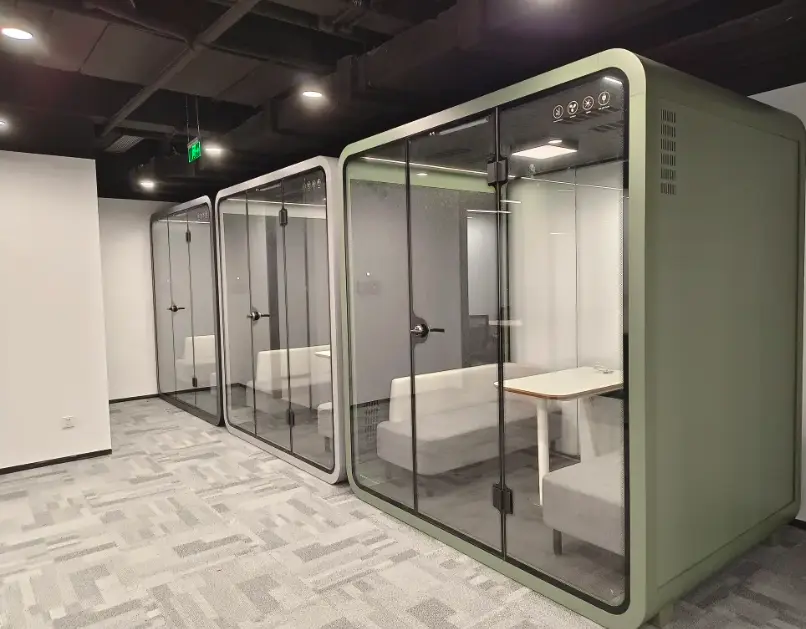
| الموظفين ليس لديهم مكان مناسب للمكالمات | هل سعة المشكلة أو الموقع أو الحجز أو عدم وجود إعداد مغلق ؟ | غرف هادئة ، أكشاك الهاتف أو القرون الصوتية |
| تخلق المعدات أو خدمات البناء ضوضاء مستمرة | هل يمكن الحفاظ على المصدر أو استبداله أو عزله أو نقله ؟ | التحكم في المصدر والمراجعة من قبل المهنية التقنية المناسبة |
الألواح الامتصاصية والقرون المغلقة تخدم أغراض مختلفة. يمكن للعلاجات الامتصاصية تقليل الصوت المنعكس داخل الغرفة ، لكنها لا تمنع الصوت تلقائيًا من الدخول أو الخروج منه. يمكن أن يوفر جراب صوتي إعدادات مغلقة إضافية للمكالمات أو العمل المركز ، ولكن لا ينبغي تمثيله كبديل عن ضوابط الضوضاء الصناعية أو برنامج الحفاظ على السمع أو تقييم التعرض المهني الخاص بالموقع.
حيث تكون المشكلة هي تشتيت خطاب المكتب بدلاً من الضوضاء المهنية الخطرة ، أ Soundbox كبسولة صوتيةقد يكون جزءًا من استجابة مكان العمل. يجب أن ينظر الاختيار في النشاط المقصود ، والتنسيب ، والتهوية ، وإمكانية الوصول ، والأدلة الصوتية الخاصة بالنموذج. قد لا تزال مصادر الضوضاء الأخرى أو المشكلات الصوتية على مستوى الغرفة تتطلب معالجة منفصلة.
تستخدم هذه المقالة إطار عمل أوشا لنا كمثال. تختلف متطلبات التعرض للضوضاء باختلاف البلد والصناعة ومكان العمل ، لذلك يجب تقييم كل موقع وفقًا للقواعد والشروط المطبقة.